
The use of FDA-approved peptides is not illegal. But, when used without a prescription, peptides can alter the body in ways that are irreversible. Now, with the rising use of peptides in bodybuilding activities, there arises a question: at what cost are you building your body?
In bodybuilding, peptides are short chains of amino acids that act as ‘signaling molecules’ to tell the body to perform specific tasks — such as growing muscle, burning fat, or healing injuries.
Growth Hormone Secretagogues (GHSs), BPC-157 (Body Protection Compound-157), TB-500 (Thymosin Beta-4), and Melanotan II are all peptides that are used for bodybuilding. While some increase muscle mass and reduce fat, others increase libido, but can also potentially cause kidney disorders.
Some of these peptides are FDA-approved, some are not. The grey area of these supplements make them even more risky to use without discretion. The use of these supplements result in chances of carcinogenic aggravations, cardiovascular issues, various infections and contaminations, and metabolic and hormonal disruptions.
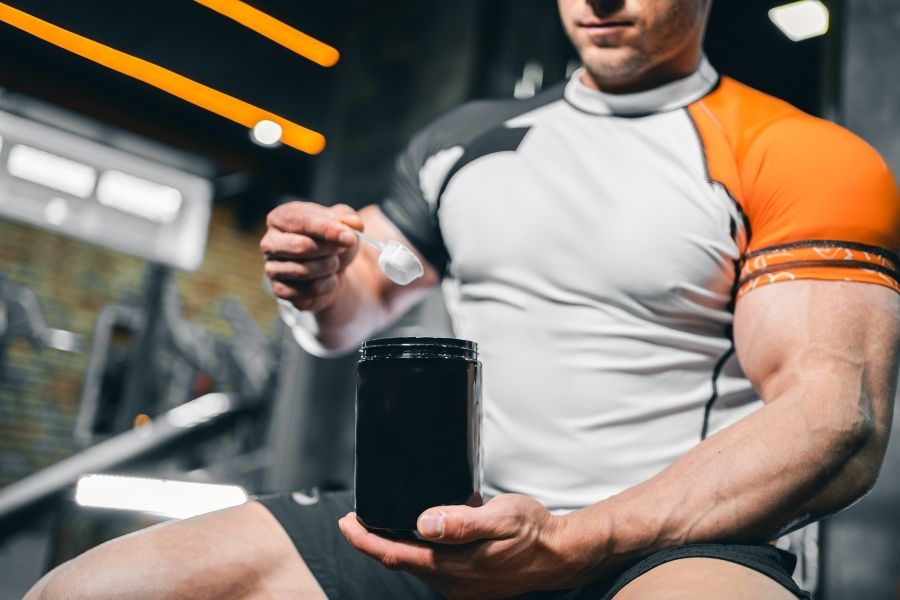
While some peptides increase muscle mass and reduce fat, others increase libido, but can also potentially cause kidney disorders
Mitaj Halsana, MBBS, FACMI, and a practising emergency physician, says the results of using growth hormones and peptides, if not regulated, are dire.
“They mess up your metabolism. There will be hormonal imbalances, and patients suffer from potency issues, too. Hormones like testosterone initially work better, but if you add peptides like Growth Hormone Secretagogues (GHSs), there are complications. They may start out with accelerated recovery, but the end results are opposite. Even whey protein can cause severe adulterations," says Halsana.
“There is no real statistics for the uses of such medication, because pharmaceutical companies do not deem them necessary. There are research papers, but they rarely come out in public. Not all peptides are harmful. For example, people use creatinine as a post-recovery drug. Creatinine is not bad, but the sources that are used to procure these are not abided by the Drugs and Cosmetics Act of 1940 & 1945. In our country, these are sold as food products. You just need an FSSAI license to sell these. The people selling them have no idea, themselves, what their product does to the body.”
A gym trainer from Belgachia, who chose to remain anonymous, expresses how he used to inject GHS peptides for muscle growth, and the long-term effects he suffers from it.
“Initially I got great results. I grew into the desired shape I envisioned. But after I withdrew from it, and abruptly stopped using the doses, I gained weight, and worst of all, I got diabetes. The withdrawal felt very harsh, and I regretted the choices I made for bodybuilding,” he said.
Another supplement user, Hiron Mondol from south Kolkata, recalls how he gained excessive weight due to use of unregulated testosterone supplements.
“I had to take regular blood tests and injections to maintain my diet. I used to buy my supplements from a seller in Gujarat. The blood tests became necessary due to the risk of heavy metal poisoning. After I stopped using the supplements, I gained over 20 kgs in three weeks. Even drinking water seemed to make me gain weight.”