
Santa Claus may feel timeless, but the jolly man in the red suit is the result of centuries of legend, literature, theology and advertising. Behind the icon lies a history that spans churches, poems, politics and popular culture. Here are 10 things to know about Santa Claus.
1. Santa Claus is Saint Nicholas
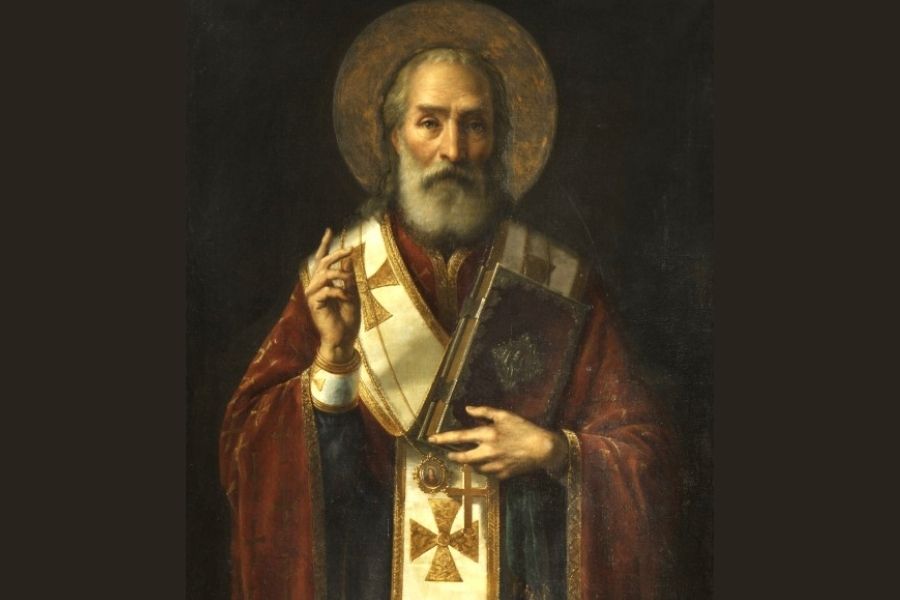
St. Nicholas by Jaroslav Čermák Wikimedia Commons
Santa Claus originates from Saint Nicholas, a fourth-century bishop of Myra in present-day Turkey. The link can be found in the 1823 poem A Visit from St Nicholas (later known as ’Twas the Night Before Christmas), which repeatedly names Santa as St Nicholas. According to hagiographies recorded by John the Deacon in the ninth century, Nicholas became associated with children and gift-giving after secretly providing dowries to save three poor girls from being sold into prostitution.
2. The Church once rejected Santa
In 1951, French clergy in Dijon publicly burned an effigy of Father Christmas outside the cathedral, accusing him of paganising Christmas. Sociologist Claude Lévi-Strauss documented the incident, describing Santa as a symbol of secular irreligion in a country fiercely divided over church and state. While controversial, the episode underscored long-standing tensions between sacred tradition and popular celebration.
3. Coca-Cola did not invent Santa’s red suit
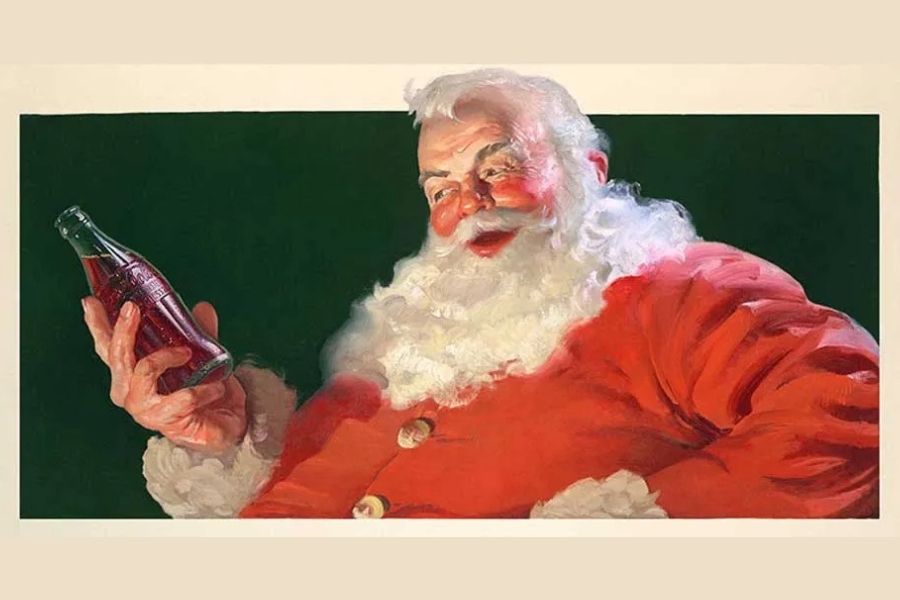
Wikimedia Commons
Contrary to popular belief, Santa wore red long before Coca-Cola advertisements. Nineteenth-century illustrations, including an 1868 US Confection Company advert and Thomas Nast’s 1881 Merry Old Santa, already showed him in red. Coca-Cola, beginning in the 1930s, hired artist Haddon Sundblom to popularise an existing image, but not invent it — aligning Santa’s colours with the brand.
4. A political cartoonist shaped modern Santa
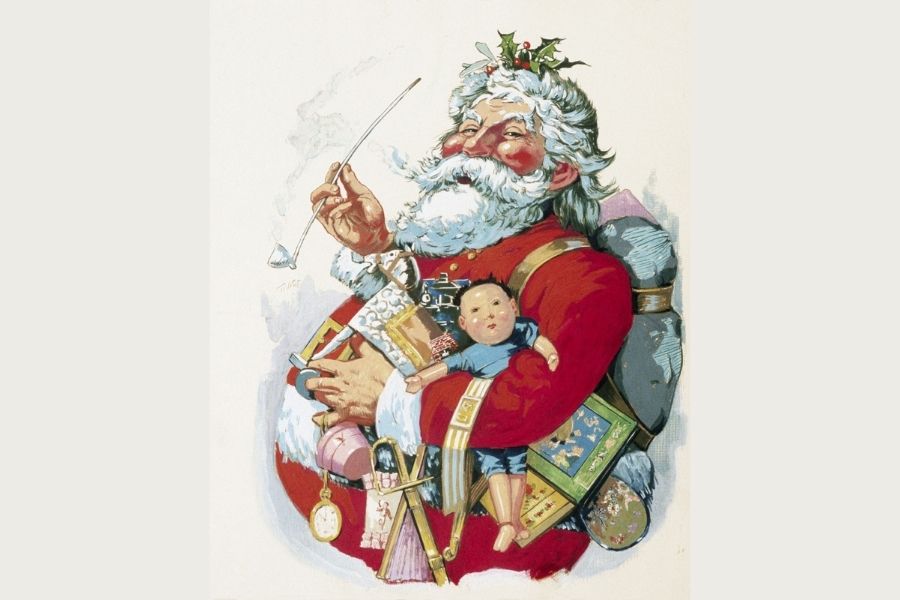
Thomas Nast’s illustration Wikimedia Commons
Thomas Nast, the famed German-American caricaturist and editorial cartoonist behind the Republican elephant and Democratic donkey, was instrumental in defining Santa’s appearance. In illustrations for Harper’s Weekly between the 1860s and 1880s, Nast gave Santa his plump figure, North Pole address, toy workshop and the habit of judging children as “naughty” or “nice”.
5. Santa’s reindeer are probably female
Scientific evidence suggests Santa’s reindeer are all female. Male reindeer shed their antlers by early December after mating season, while females retain theirs through winter. Since Santa’s reindeer are consistently depicted with antlers on Christmas Eve, zoological reasoning indicates they are likely female.
6. Rudolph is younger than you think

Shutterstock
Rudolph the Red-Nosed Reindeer was created in 1939 by Robert L May, a copywriter for Montgomery Ward, as a promotional story. The tale sold over two million copies and was adapted into a song in 1949. Compared to the original eight reindeer named in the 1823 poem, Rudolph is a modern addition.
7. Santa has many global counterparts
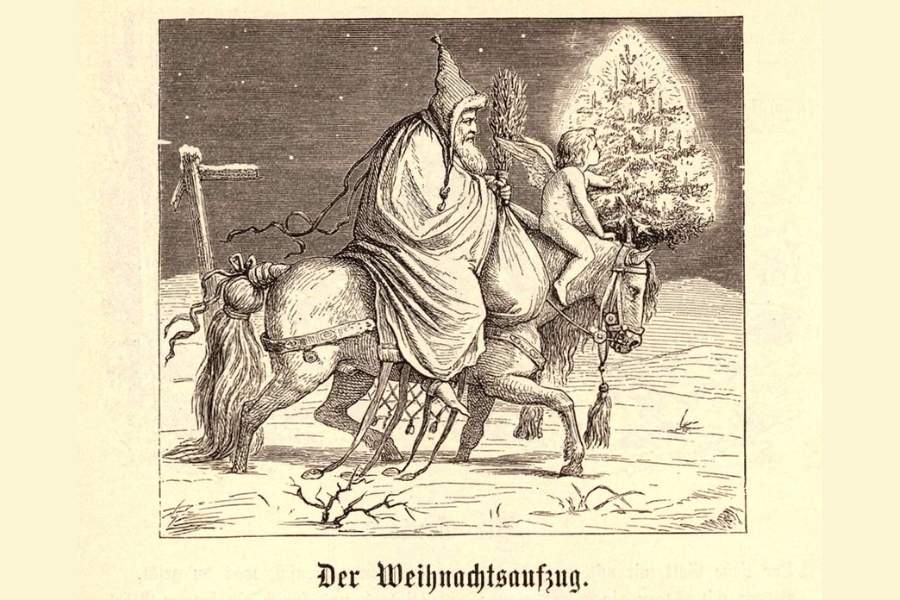
Wikimedia Commons
Santa is not the only Christmas gift-giver. German and Swiss children await Christkind; Scandinavian folklore features Jultomten, an elf who travels with goats; French children know Père Noël; and in Britain, Santa is often called Father Christmas. These figures reflect regional blends of Christian tradition and local folklore.
8. Mrs Claus arrived late — and with opinions
Wikimedia Commons
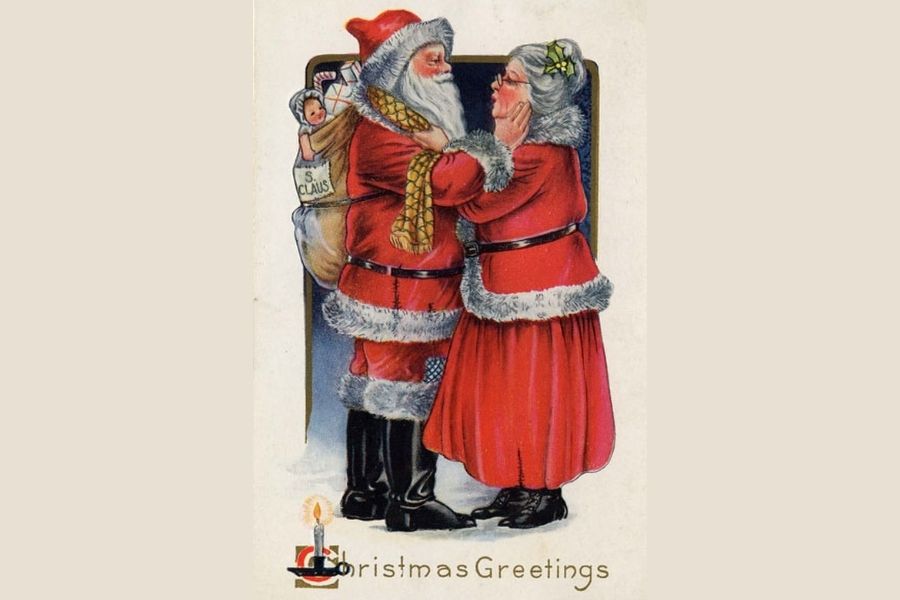
Saint Nicholas was unmarried, and Santa remained a bachelor until the 19th century. Mrs Claus first appeared prominently in Margaret Eytinge’s 1881 poem Mistress Santa Claus. Later works, including Katharine Lee Bates’s Goody Santa Claus on a Sleigh Ride (1889), portrayed her as overworked and assertive. Cultural historian Gerry Bowler notes that Mrs Claus reflected Victorian domestic ideals — though early versions gave her a surprisingly feminist edge.
9. Santa’s name is a linguistic evolution
The name Santa Claus evolved through language rather than invention. “Saint Nicholas” shortened in Dutch, became Sinterklaas, derived from Sint-Niklaas. As Dutch settlers migrated to America, the name was Anglicised into “Santa Claus”. The earliest recorded use of the term appears in a 1773 issue of Rivington’s New-York Gazetteer, which refers to “St. a Claus” as another name for St Nicholas.
10. Santa’s remains are believed to exist in Italy
Shutterstock
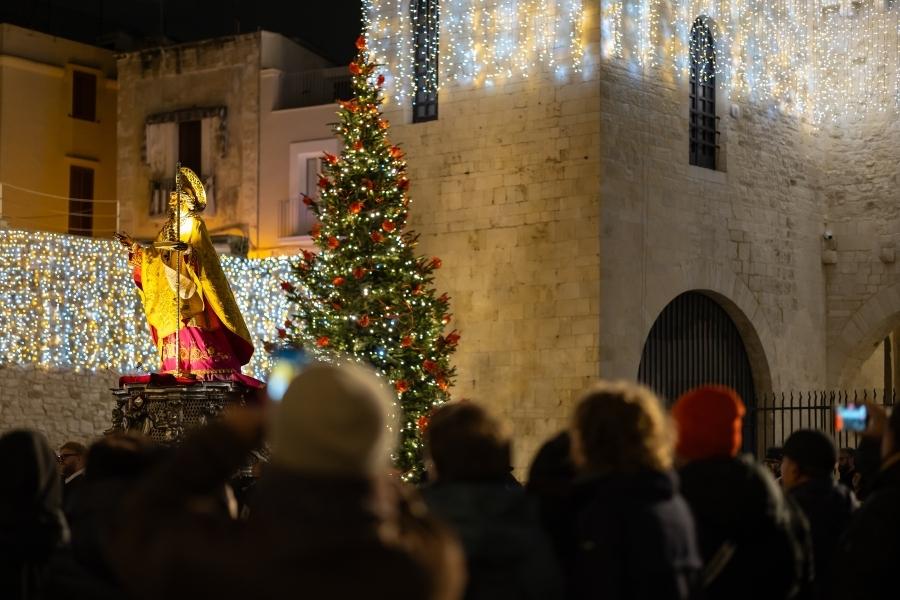
Unlike many legendary figures, Saint Nicholas is believed to have physical remains. His relics have been housed in the Basilica di San Nicola in Bari, Italy, since 1087, when sailors transferred them from Myra. The shrine remains an active pilgrimage site today. For believers, this grounds Santa Claus not in myth alone, but in historical Christianity.