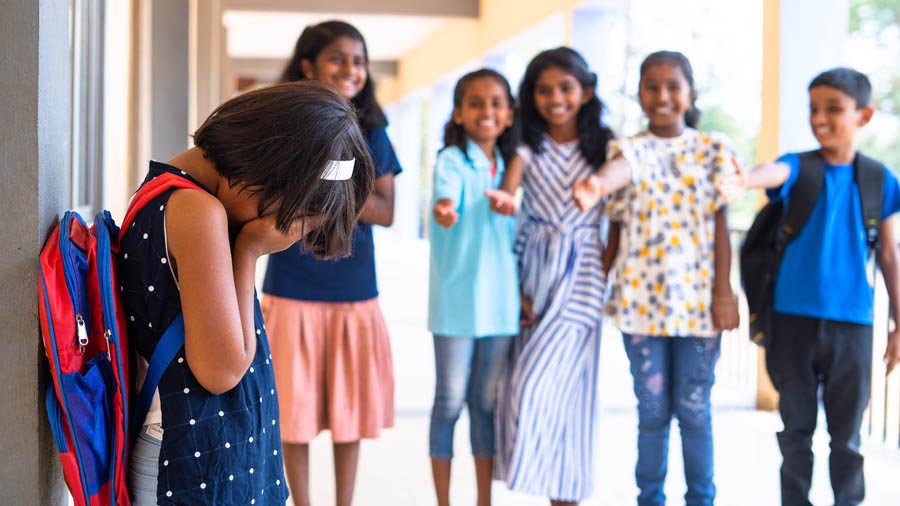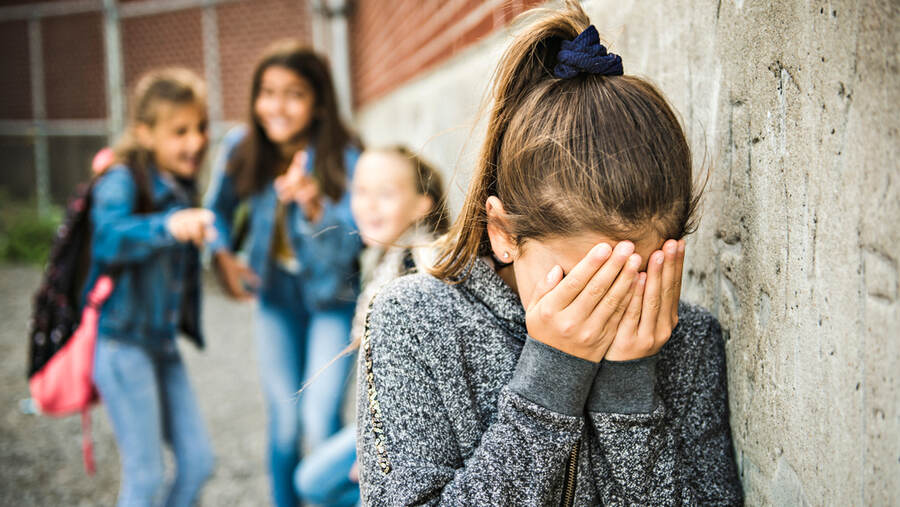
A string of student suicides in the country, including the death of a Class VI student in Jaipur and the alleged suicide of a Delhi schoolboy after harassment, has forced an urgent and uncomfortable question. Are parents noticing the signs that their children are silently struggling at school? Mental health experts say the red flags often appear long before a crisis, but adults must know what to look for.
When school becomes stressful
According to Sabyasachi Mitra, consultant psychiatrist at CMRI Kolkata, school-related distress in children can stem from several issues. “The problem could be with vision, which is a very basic issue. The problem could be with learning. Some children have learning difficulties. The child could be facing bullying at school,” he said. He adds that conditions like ADHD, mood disorders, screen addiction or even early substance misuse can worsen a child’s emotional state.
Mitra urges parents to pay attention to the “tell-tale signs” and stresses early intervention. Teachers, he believes, also play a crucial role. “If a child is facing problems like academic underperformance, becoming very agitated or restless in class and stopping others from studying, teachers should get the school counsellor involved. If there are no counsellors, it is reasonable to speak to the parents,” he said.
The red flags at home
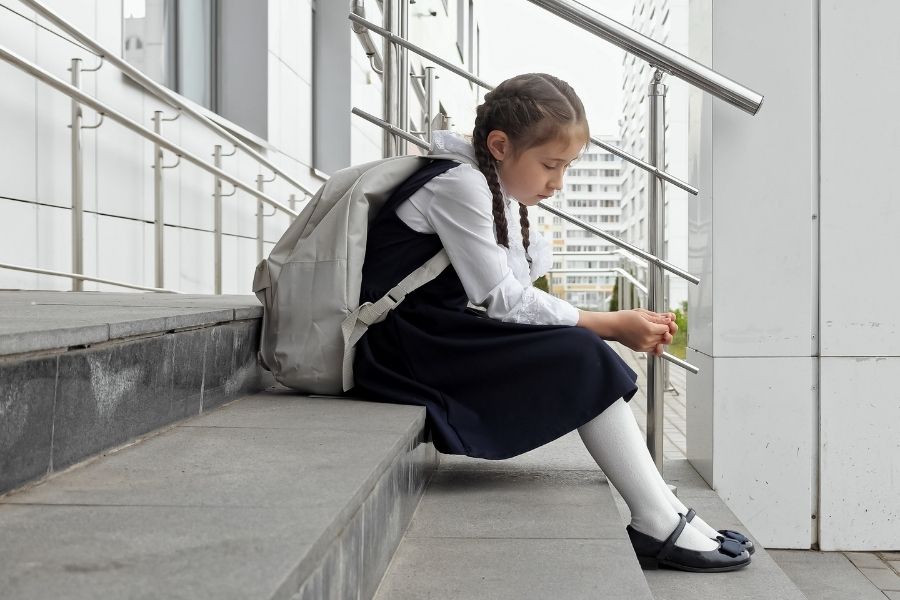
Experts urge parents to pay attention to tell-tale signs and stress early intervention
Padmakali Kar, visiting psychiatrist at Peerless Hospital, said that changes in behaviour at home are often the first indicator that something is off. “There might be behavioural changes like sudden withdrawals or the child becoming unusually quiet, showing irritability, emotional lability or anger outbursts,” she stated.
She explained that avoidance behaviours are common. “Some children start making excuses to skip school. Sometimes they express stress physically, with frequent tummy aches or headaches, especially before school.”
Academic changes follow soon after. Falling grades, unfinished homework, reluctance to talk about school and resistance to morning routine are all markers. “If these signs persist, parents should take them seriously. Even one or two consistent signs should not be ignored,” Kar said.
Bullying may leave physical traces, too. Unexplained bruises, damaged belongings and a sudden drop in self-confidence can signal trouble. “If you see these signs in your child, you should not ignore them and seek professional help as quickly as possible,” she said.
Why listening matters
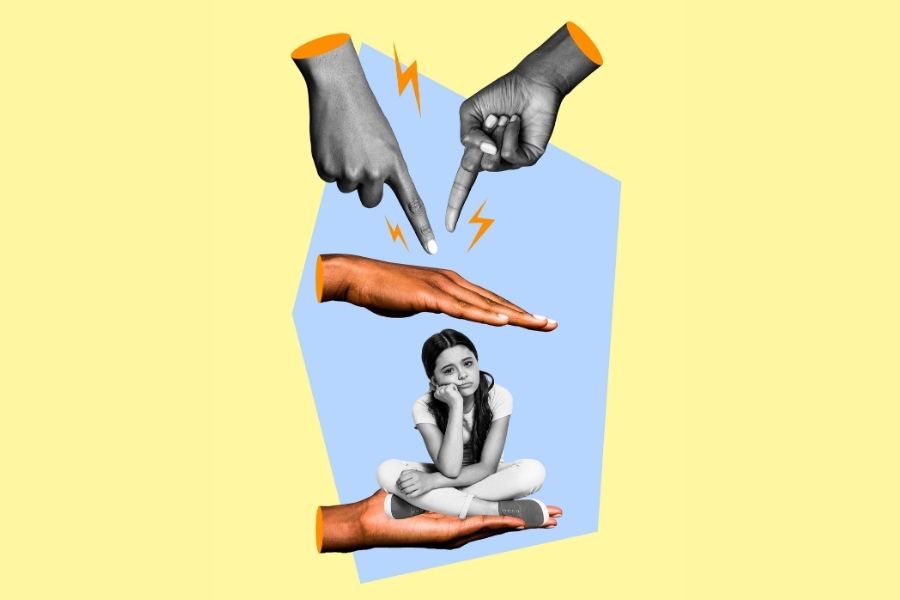
Clinical psychologist and parenting coach Salony Priya said that teenagers are more emotionally fragile than adults assume. She warns that repeated teasing, bullying or social exclusion can push children towards thoughts of self-harm. “Children start feeling they are not enough, not capable and that there is nobody to understand them,” she explained.
Priya urges parents to build open channels of communication. “Parents must constantly talk to their children, observe them and understand them. It is not interrogation. Share, listen and let children know it is okay to talk and okay to not feel fine sometimes.”
She says early conversations help children learn coping skills. “Help your children deal, cope or adapt. Some of your own real-life stories can become powerful lessons for them.”