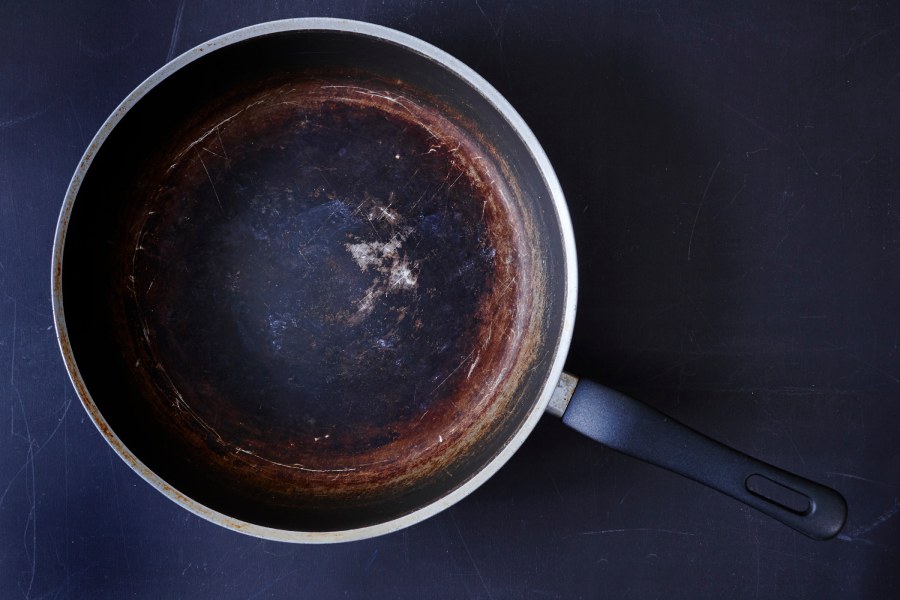
Many households keep using non-stick cookware even when the coating starts to wear off. But is it safe? Does non-stick cookware have an expiry date? Can peeling coatings affect health? And does using these pans increase the risk of cancer? The questions are aplenty.
Kolkata doctors say modern non-stick cookware is safe when used correctly, but knowing when to replace it is important.
There is no expiry date, but you should know when to replace it
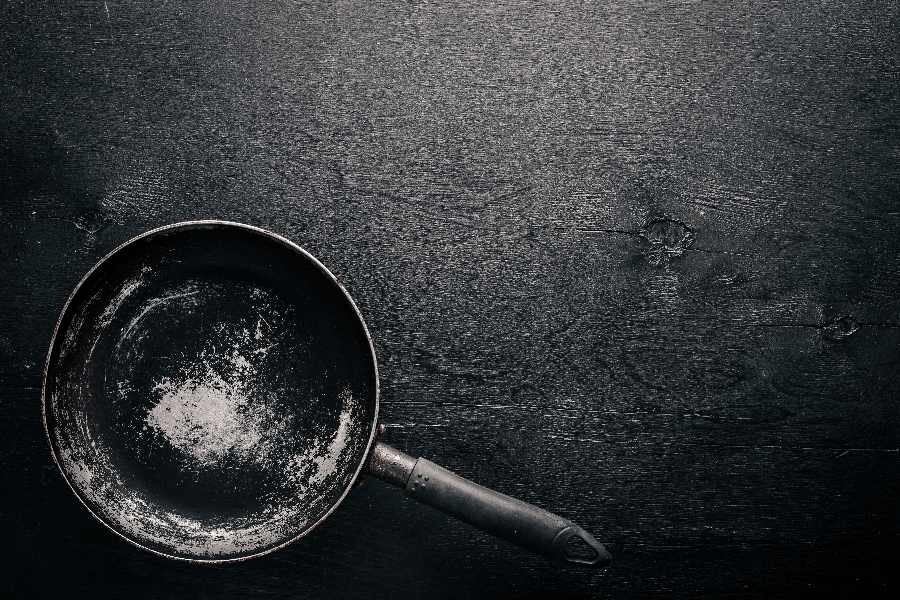
Non-stick cookware does not come with a fixed expiry date, unlike food and medicine. With proper care, a good-quality pan can last for years.
"Non-stick cookware, coated with polytetrafluoroethylene (PTFE or Teflon), does not carry a printed use-by date. With proper care, a good-quality pan can last three to five years or longer," said M.V. Chandrakanth, DM Medical Oncologist at Narayana Hospitals, Howrah.
But the warning signs appear when the coating starts peeling, flaking, chipping off or develops deep scratches.
“Small PTFE particles that flake off are chemically inert. These particles pass through the digestive system without being absorbed and do not cause acute toxicity,” said Chandrakanth. However, he adds that damaged cookware should still be replaced because it can release greater quantities of microscopic particles into food and lose its non-stick effectiveness.
Sraboni Mukherjee, chief dietitian at Fortis Hospital Anandapur, agreed. “While accidentally ingesting small amounts of the coating is not generally considered a major health risk, continued use of damaged non-stick pans can compromise food safety and cooking performance,” she said.
Does non-stick cookware cause cancer?
The belief that non-stick cookware causes cancer has been around for years. According to Chandrakanth, the concern stems from PFOA (Perfluorooctanoic acid), a chemical that was once used during the manufacturing process of some non-stick products.
“PFOA belongs to the PFAS (per- and polyfluoroalkyl substances) family of chemicals and has been linked to increased risks of certain cancers with very high, long-term occupational or environmental exposure. However, major manufacturers phased out PFOA from cookware production between 2013 and 2015. Today's reputable non-stick products are PFOA-free,” he said.
He added that PTFE itself is not classified as a carcinogen and that there is no proven cancer risk from using modern non-stick cookware under normal cooking conditions.
The real concern is overheating
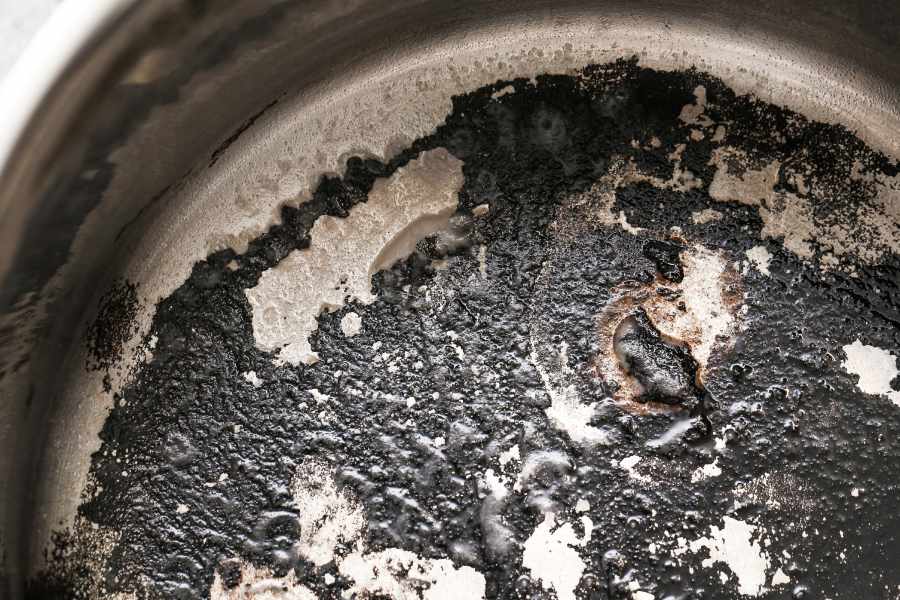
Experts say the greater risk comes not from cancer, but from overheating the pan.
“The real safety concern with non-stick pans is overheating. Temperatures above 260°C can release fumes that cause short-term polymer fume fever, which produces flu-like symptoms,” said Chandrakanth.
Mukherjee advises avoiding excessive heat. "Overheated cookware may increase the release of particles, making replacement the safer choice once the coating deteriorates," she said.
Iron cookware has nutritional benefits
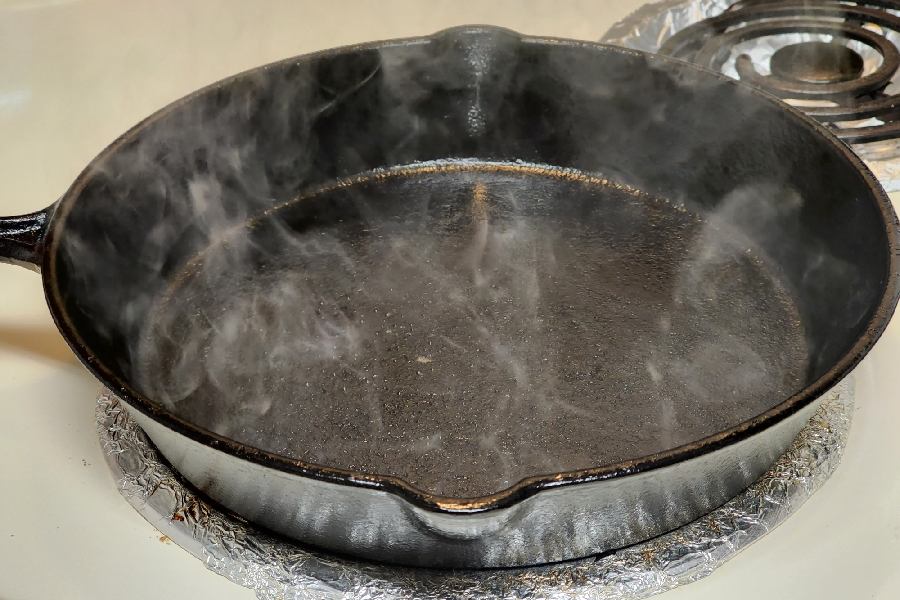
While non-stick cookware offers convenience, traditional iron cookware has its own advantages.
“Cooking in iron utensils can naturally increase the iron content of food, contributing modestly to daily iron intake. While this is not a treatment for conditions such as anaemia, it can support overall nutritional health,” said Mukherjee.
She recommends a balanced approach. “A practical approach is to use non-stick cookware responsibly for convenience while replacing it when the coating deteriorates and incorporating iron cookware when suitable for its nutritional advantages.”