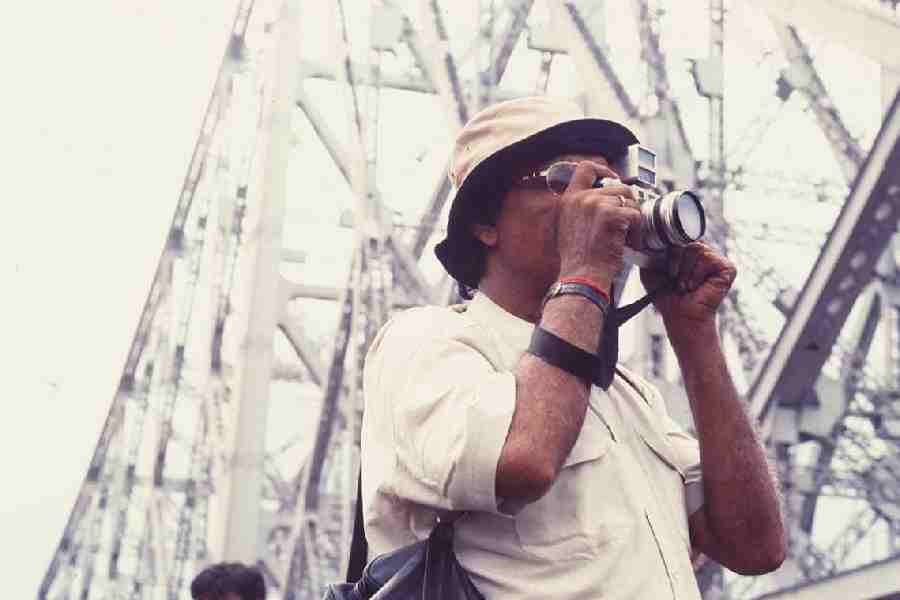
Once upon a time, when the millennium turned a corner, when the genie in the smartphone that is social media had not made everything and everyone accessible, Raghu Rai arrived in Calcutta. His assignment — to photograph the city. At that time, I was a young freelance photographer and somehow I came to be tasked with the job of photographing Rai at work.
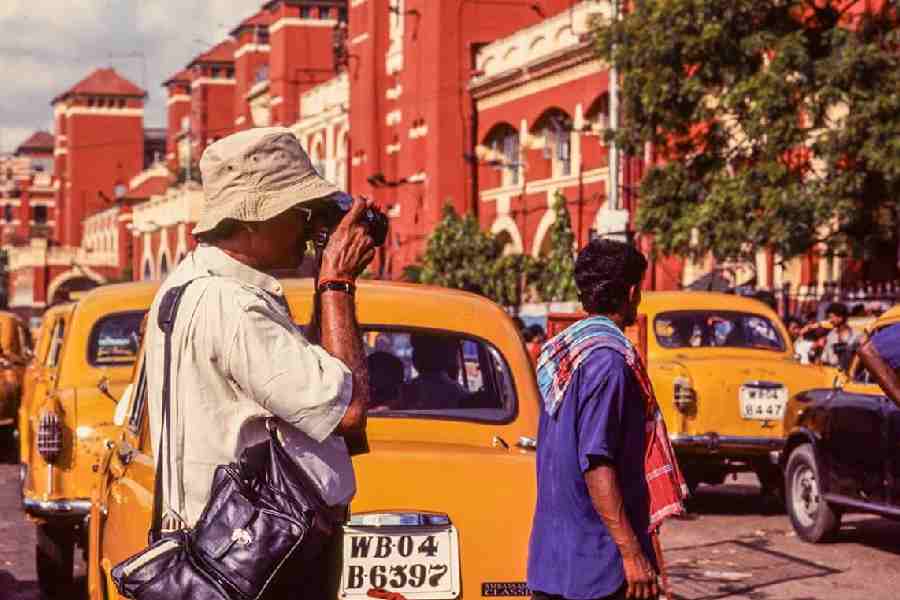
It was like a dream, the assignment itself, the wait, the arrival of the appointed hour… At 4am at a hotel in central Calcutta, I watched the Raghu Rai emerge from one long corridor. I watched his camera bag, so commonplace, so well-worn, so ordinary and yet home to that very device that produced poetry. Yes, Rai captured poetry that is inherent in the humdrum.
That day, it was Rai’s idea to leave for Howrah station. We took a taxi. He clicked photographs and while we drank tea, he let me hold one of the two cameras he was using; it could take panoramic pictures.
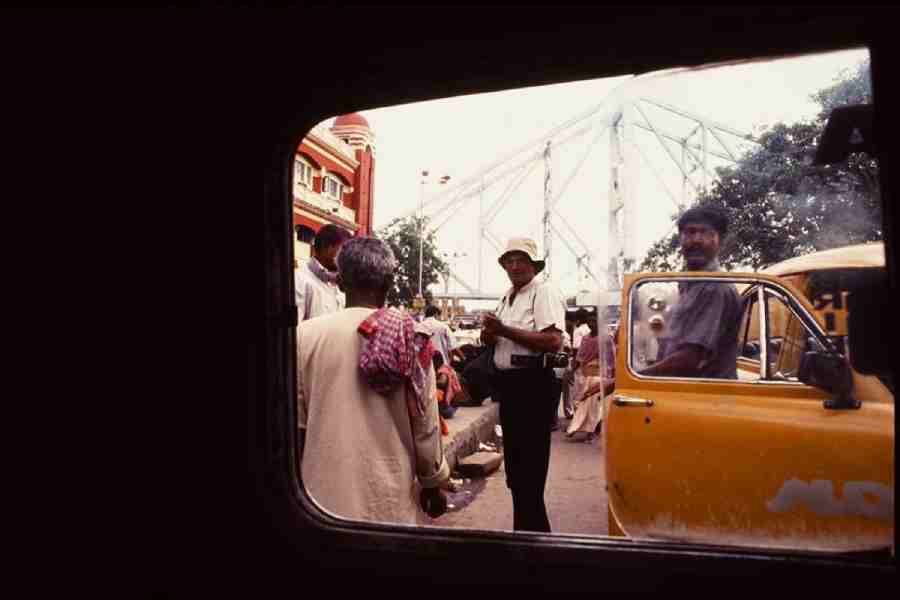
I kept photographing him and watching his every move, the finger on the button all through the seven hours we spent together and I kept wondering how impossible it is to capture the innate thought, the inherent philosophy of a moment, the emotions contained in it, all of which I knew he could lay bare in any photograph he took. No, he didn’t capture moments; he set them free.
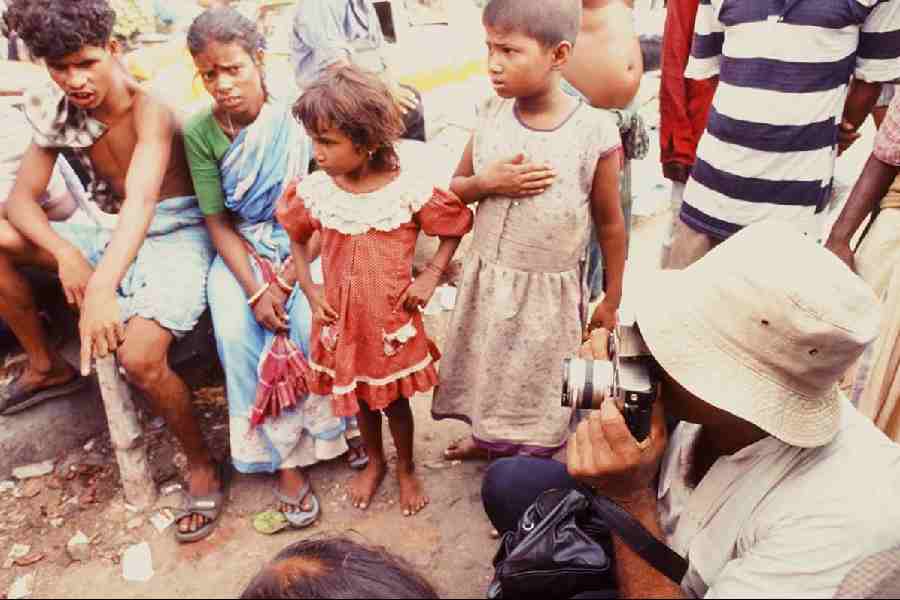
When it was 10.30, he stopped work. He explained how he preferred not to work in top sun. “Let’s eat,” he said. “I know of a place close to the station where they make excellent aloo parathas.” I watched mesmerised as Rai ate — aloo parathas with doi. All of it seemed like a waking dream. He spoke about copyright. He spoke of the photograph as intellectual property. Why a photograph belongs to the photographer.
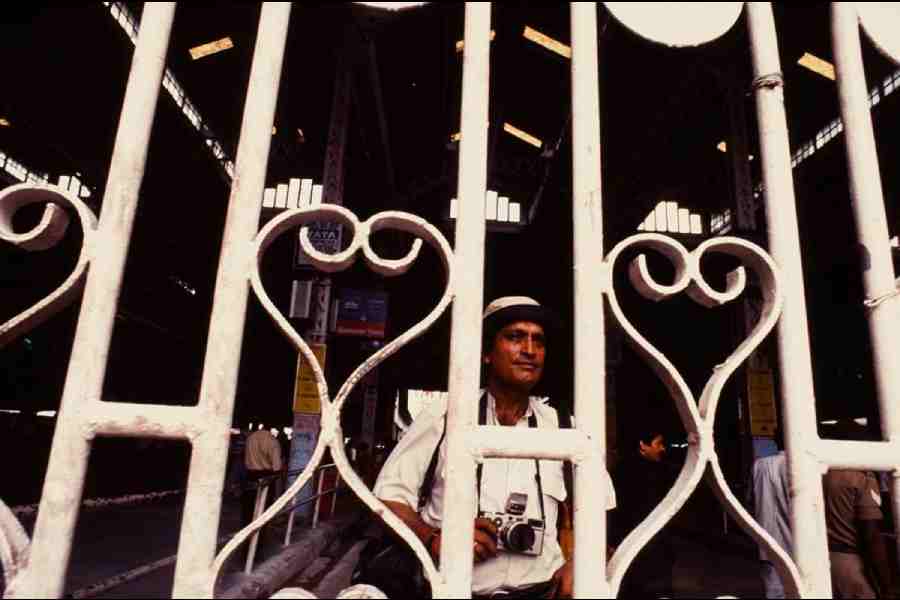
On his way back to the hotel, he dropped me at my destination. I never saw him again. There was no reason to. What remained was the memory of those few hours, his easy manner, the conversation and these photographs.
As told to Upala Sen