
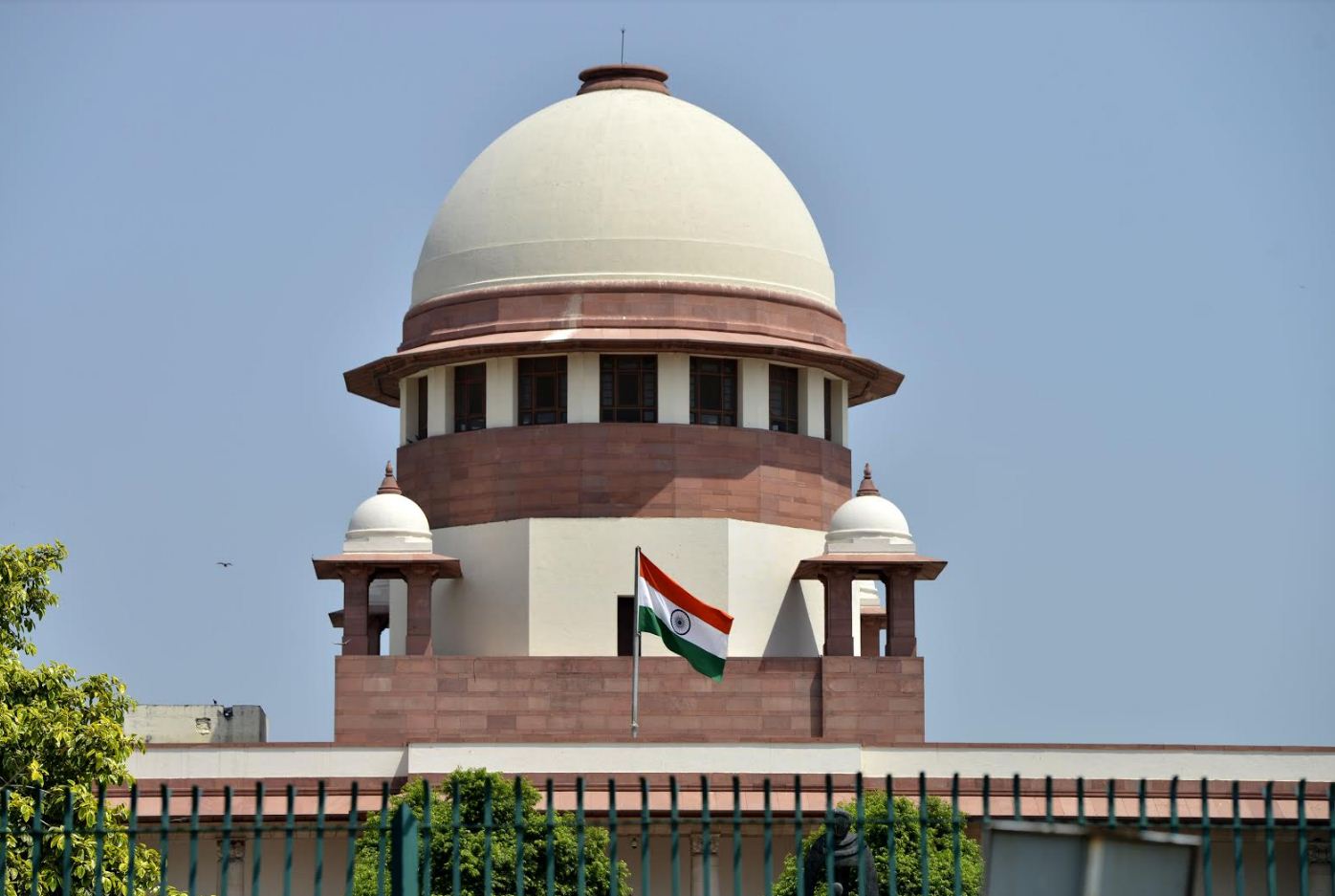

New Delhi, Oct. 11 (PTI & Reuters): Sex with a minor wife aged between 15 and 18 years is rape and the exception in the rape law for married couples was arbitrary, the Supreme Court ruled on Wednesday.
”Sexual intercourse by a married man with their minor wife below 18 years is rape,” a bench of Justices Madan B. Lokur and Deepak Gupta said in its judgment.
The Indian Penal Code’s Section 375, which defines the offence of rape, says even consensual sex with a woman under 16 is rape but makes an exception for intercourse between a man and his wife who is between 15 and 18, which is the legal age of consent.
The Supreme Court ruled the age of consent was 18 for “all purposes” after hearing a petition by Independent Thought, a non-profit group that sought to criminalize sex with underaged wives.
The apex court said the exception in the rape law was contrary to the philosophy of other statutes and violates the bodily integrity of a girl child.
The bench also expressed concern over the prevalent practice of child marriage and said social justice laws were not implemented with the spirit with which they have been enacted by Parliament.
The bench said it has not dealt with marital rape since the parties in this case had not raised the issue before it.
Marital rape is not a crime in India, where the government has said criminalizing marital rape could destabalize marriages and make men vulnerable to harassment by their wives.
Justice Gupta, who wrote a separate but concurrent verdict, said the age of marriage was 18 in all laws and the exception given in the rape law under the IPC is “capricious, arbitrary and violates the rights of a girl child”.
The apex court said the exception violates Articles 14, 15 and 21 of the Constitution.
It asked the Centre and the states to take proactive steps to prohibit child marriage across the country.
Wednesday's verdict would not be applied retrospectively, however, said the court, which based its conclusions on India's Child Marriage Prohibition Act.
The court had earlier reserved its verdict while questioning the Centre how the Parliament could create an exception in law declaring that intercourse or a sexual act by a man with his wife, aged between 15 and less than 18 years, is not rape when the age of consent is 18.
The apex court had also observed that child marriage cannot go on like this just because this illegal practice was assumed to be legal and has been going on for ages.
“I am very happy with the supreme court judgment,” Vikram Srivastava, a lawyer for Independent Thought, told Reuters.
“The judgment gives a boost to the national campaign of 'Beti bachao and beti padhao,'” he added, using a Hindi phrase meaning 'Save the girl child and educate the girl child'.
Though illegal, child marriage is deeply rooted in India. Factors such as poverty, weak law enforcement, patriarchal social norms and concerns about family honour are often blamed.
Marriages in India are considered to involve a child if the woman is below 18 or the man younger than 21. Men both above and below the legal age may marry child brides.
The 2011 census showed child marriage had declined marginally from a decade earlier but more than 5 million girls were still married before the legal age of 18.
More than a quarter of Indian women between 20 and 24 said they were married before 18, and a fifth of men between 25 and 29 said they married below the legal age, the National Commission for the Protection of Child Rights and the charity Young Lives said in a recent report analyzing the census data.
The study, the first to break down India's census data on child marriage, found that nearly one in four girls in rural areas and one in five in urban areas married before 18.
Despite efforts to empower girls and women and toughen penalties, India is among the top 10 countries with the highest rates of child marriage, along with Burkina Faso, Chad, Guinea, Niger and South Sudan.
(This report was updated at 5.30pm.)