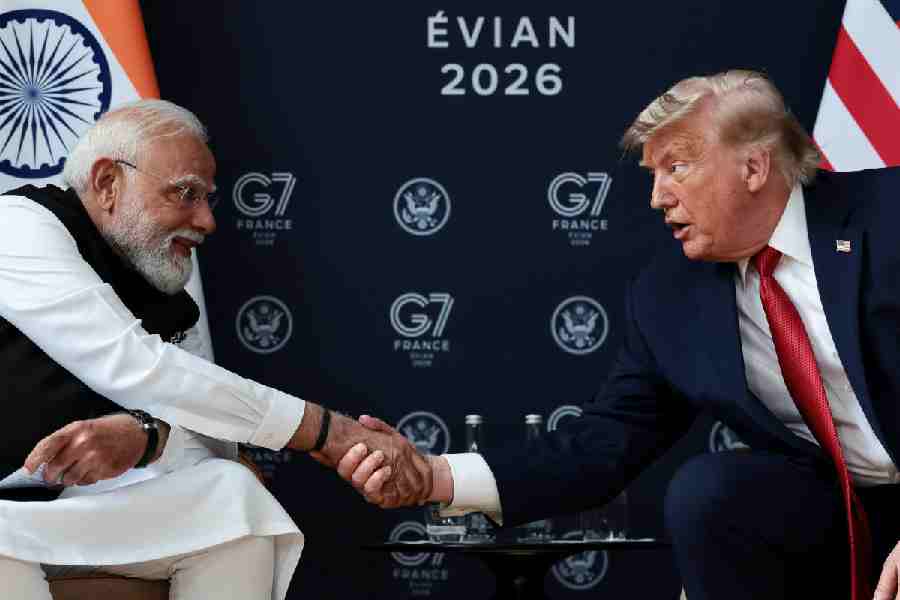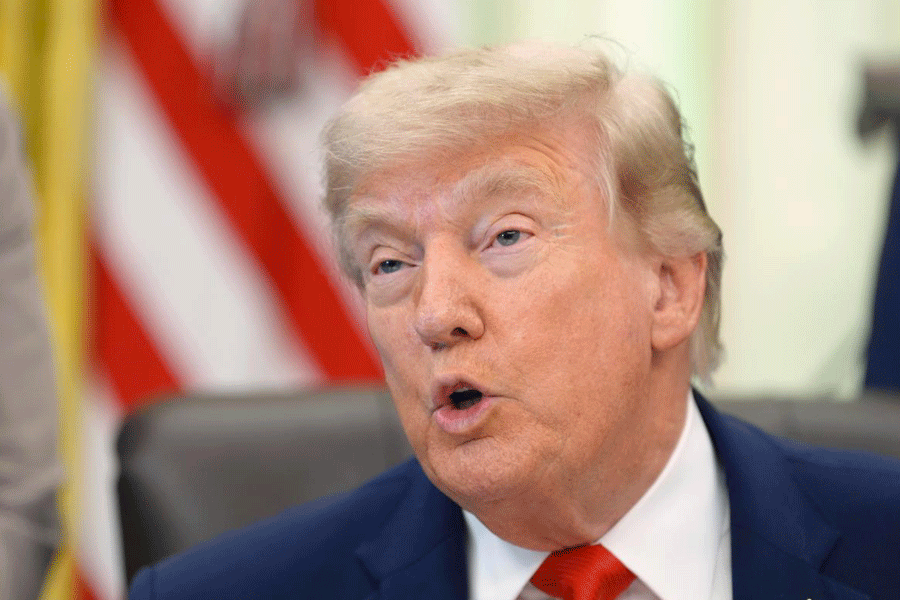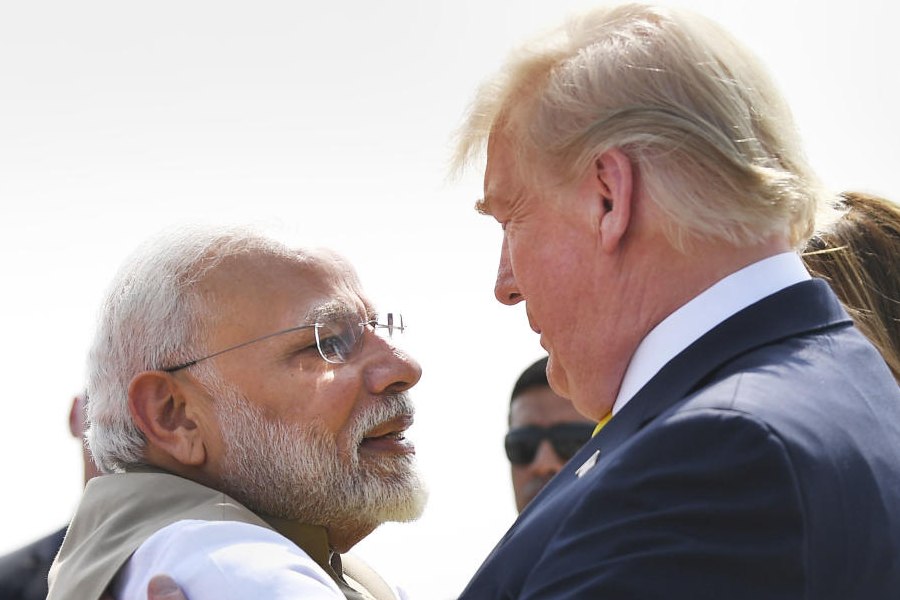
Prime Minister Narendra Modi’s phone call with US President Donald Trump on Thursday injected fresh momentum into the long-pending India–US trade deal, coming hours after Washington signalled rare optimism over New Delhi’s latest offer.
“Had a very warm and engaging conversation with President Trump. We reviewed the progress in our bilateral relations and discussed regional and international developments. India and the US will continue to work together for global peace, stability and prosperity,” PM Modi announced on X.
The call came at a moment when trade negotiators in both capitals were signalling movement.

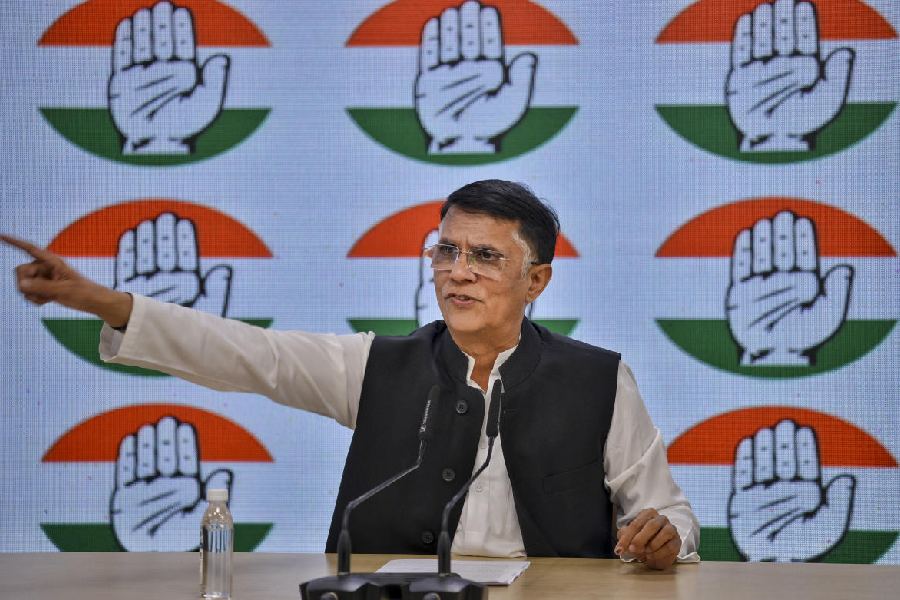
Earlier in the day, commerce and industry minister Piyush Goyal responded to comments from US Trade Representative Jamieson Greer, who said Washington had received the “best ever” offer from India on the proposed agreement.
“His happiness is very much welcome. And, I do believe that if they are very happy, they should be signing on the dotted lines,” Goyal said. He refused to specify India’s offer but confirmed that five rounds of talks have already been held.
Greer, speaking at a Senate Appropriations Subcommittee hearing, noted that while India has shown resistance to certain US agricultural products, the current offer stands apart.
“They have been a very difficult nut to crack...but they have been quite forward leaning....the type of offers that they have been talking to us about ...have been the best we have ever received as a country,” he said.
He added that a US team is in India for ongoing discussions.
At a separate House Foreign Affairs Subcommittee hearing, Chairman Bill Huizenga linked the trade talks to the broader India–US partnership.
“The US-India relationship is no longer just important. It is a defining relationship of the 21st century,” he said, stressing the need for cooperation in the Indo-Pacific.
India and the US have faced escalating tariff tensions in 2025, with the Trump administration imposing 25 per cent reciprocal tariffs on Indian exports in early August, followed by an additional 25 per cent penalty tariff, totalling up to 50 per cent, linked to India's Russian crude oil imports.
Former RBI governor Raghuram Rajan has said the Trump administration’s 50 per cent tariff on Indian goods stemmed from New Delhi’s refusal to endorse Donald Trump’s claim of mediating the India–Pakistan ceasefire, not from India’s Russian oil imports.
Trump has repeatedly claimed that he personally “stopped the war” between India and Pakistan after the post, Operation Sindoor escalation, saying he brokered an India, Pakistan ceasefire through late-night talks and by threatening to halt US trade deals if they continued fighting.
India’s official response has been to firmly reject any suggestion of US mediation or role in the ceasefire, stating that the understanding to halt military action was reached directly between the Indian and Pakistani Directors General of Military Operations and initiated on Pakistan’s request.