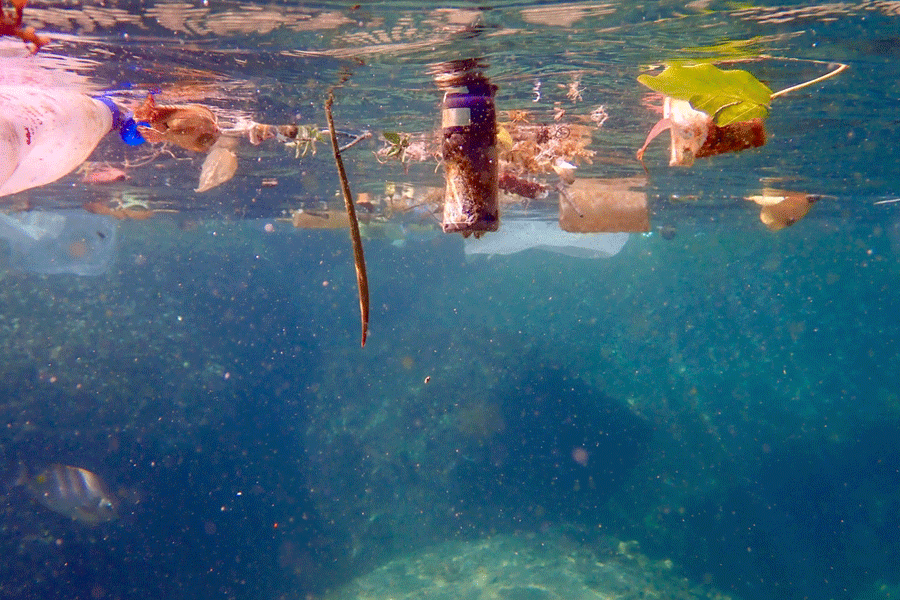
Microplastics may be weakening the oceans’ ability to absorb carbon dioxide (CO2), a crucial process for regulating Earth’s temperature, according to new research that warns plastic pollution is directly undermining natural climate controls.
Oceans act as a major carbon sink through a mechanism known as “biological carbon pumping”, which transfers carbon from the atmosphere into deep sea layers. However, the study found that this process is being disrupted by widespread microplastic contamination.
“Microplastics (MPs) interfere with this process by reducing phytoplankton photosynthesis and impairing zooplankton metabolism,” the authors, including researchers from the University of Sharjah in the United Arab Emirates, said.
Highlighting the broader climate implications, author Ihsanullah Obaidullah, associate professor of integrated water processing technologies, said, “Oceans are Earth's largest carbon sink. Microplastics are undermining this natural shield against climate change. Tackling plastic pollution is now part of the fight against global warming.”
The research, published in the Journal of Hazardous Materials: Plastics, reviewed 89 studies published between 2010 and 2025. Peer-reviewed articles and reports from international organisations were analysed to assess the impact of microplastics on ocean health and climate change.
“(The) review highlights the close relationship between MP (microplastic) pollution and climate change, suggesting that MPs may significantly contribute to climate change and potentially further affect ocean health in the form of ocean warming and ocean acidification,” the authors wrote.
Microplastics are plastic fragments smaller than five millimetres and have been detected across a wide range of environments, from deep ocean waters to the human body. The researchers noted that more than 8.3 billion tonnes of plastic have been produced globally so far, with about 80 per cent ending up in landfills or the environment, while only nine per cent is recycled.
According to the study, toxins contained in microplastics are ingested by living organisms, including humans, leading to diseases, ecosystem disruption, harm to aquatic life and reduced soil fertility.
The researchers stressed that microplastic pollution and climate change cannot be tackled separately and called for an integrated approach to address both challenges. They said coordinated efforts are required to develop governance frameworks that address microplastic pollution and climate change together, particularly their links to ocean warming and acidification.
Reducing single-use plastics and improving waste management systems were among the key recommendations suggested to protect ocean health and preserve the oceans’ capacity to absorb carbon dioxide.