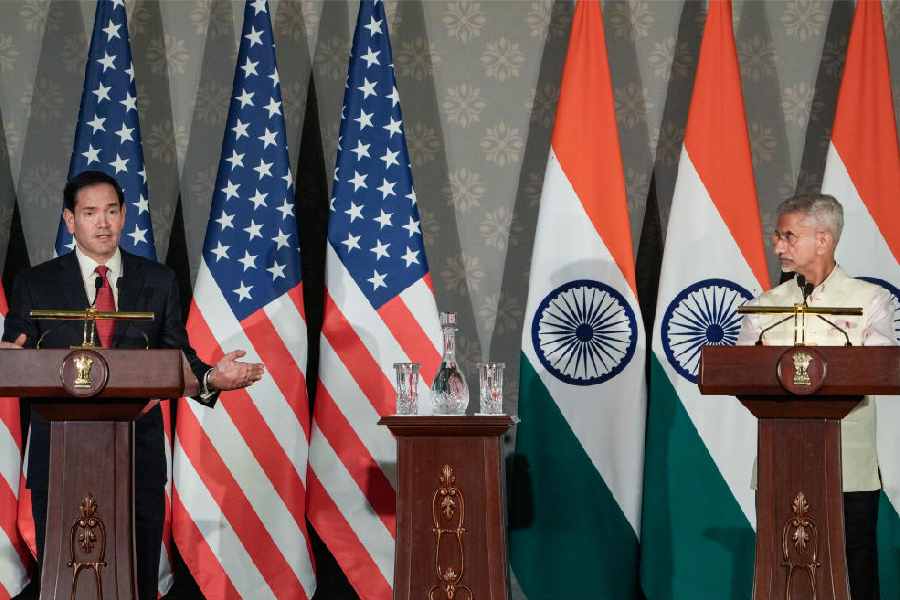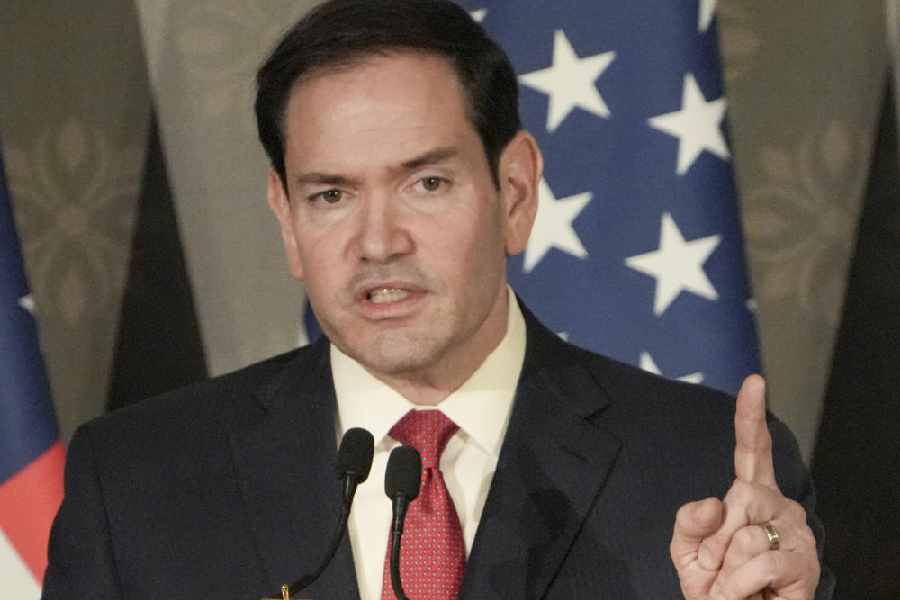
US secretary of state Marco Rubio on Sunday sought to dispel concerns in India about the recent directive by the US Citizenship and Immigration Services that requires foreign nationals seeking green cards to return to their home country and apply from there.
The green card grants a foreign national the right to live and work permanently in the US, and gives holders the status of a lawful permanent resident.
“It’s not India-specific, it’s global,” Rubio said when asked about the perception in India that this will disproportionately affect Indians, given the numbers that apply annually.
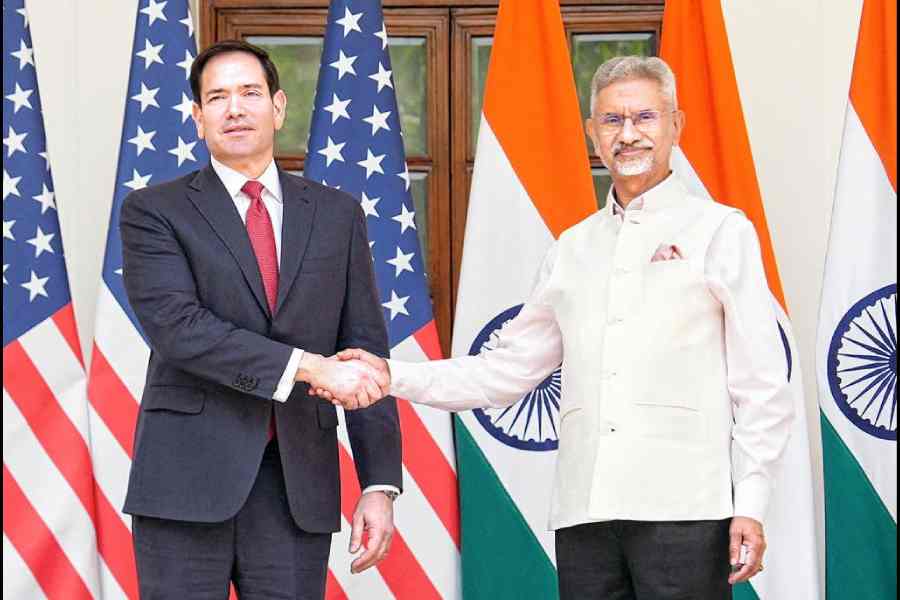
External affairs minister S. Jaishankar, who was also present at the joint briefing, had earlier said he had raised the issues faced by legitimate travellers to the US with Rubio but did not go into the specifics.
“I apprised secretary Rubio of challenges that legitimate travellers face in respect of visa issuance. While we cooperate to deal with illegal and irregular mobility, our expectation is that legal mobility would not be adversely impacted as a consequence. After all, this is very relevant to our business, technology, and research cooperation,” Jaishankar said.
Rubio dwelt on the issue at considerable length, maintaining that the changes are not India-specific.
“The changes that are happening now or the modernisation of our migration system into the US is not focused — it’s not India-specific. It is global. It’s being applied across the world. We are in a period of modernisation…. We’ve had a migratory crisis in the US. This is not because of India, but broadly, we had over 20 million people illegally enter the US over the last few years, and we’ve had to address that challenge,” he said.
He did concede that the new system might have a disproportionate impact on a place like India that provides so many high-skilled workers to the US. “We’re in a period of transition, and like any period of transition, there’s going to be some bumps on that road.”
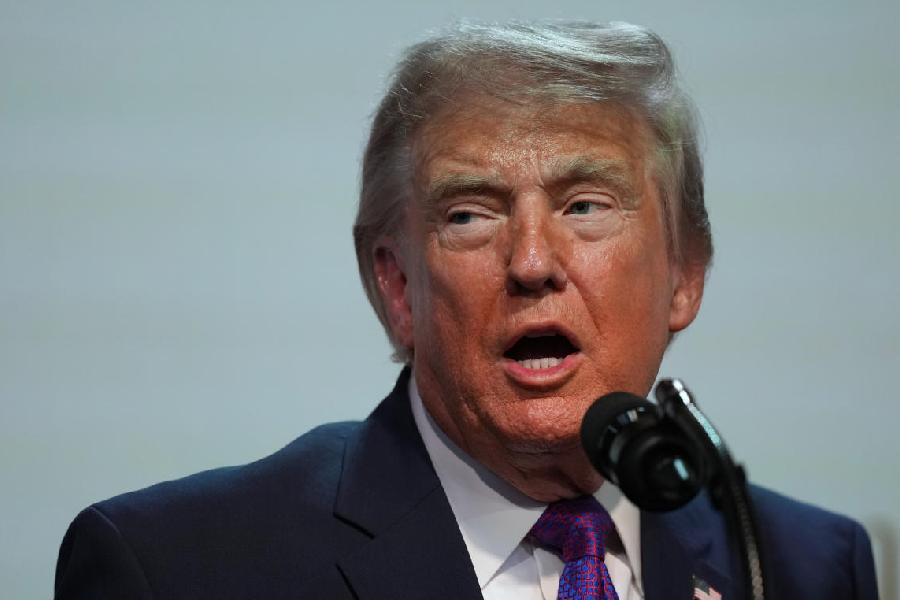
He also insisted that the US was the “most welcoming country in the world on immigration”, seemingly seeking to counter the perception that the Trump administration was anti-immigration.
“But it has to be a process that’s adjusted in every era to the realities of the modern times in which you live… it’s long overdue. So the US is currently undergoing a process of reforming the system by which we choose how many people come into our country, who comes in, and when they come in. Anytime you undertake a reform… there’s going to be a period of transition that’s going to create some friction points and some difficulties and so forth,” Rubio said.
He also sought to hold out the hope that the system would be beneficial to immigrants.
“Once we’ve done the work of modernising that system, I think we’re going to come up with a system… that’s more efficient and even better than the previous system, and in some ways may prove to be even more beneficial than the previous system was to people from India who seek to enter the US to work and innovate,” Rubio said.
According to the US Immigration Act of 1990, each country is allotted 7 per cent of the available green cards for both family-based and employment-based immigrants, as a result of which large countries such as India and China account for a majority share of the backlog of applicants.
The current backlog of green card applicants from India is over three lakh, and many of them have been waiting for years.
Trump call
US ambassador to India Sergio Gor received a call from Trump on at the celebration of 250 years of America. The President said: “I love the Prime Minister. Modi is great. He’s my friend…. I just want to say we’ve never been closer to India. And, India can count on me 100 per cent and our country. If they ever need help, they know where to call. They call right here…. Anything India wants, they get. I’m a big, big fan of Prime Minister Modi….”