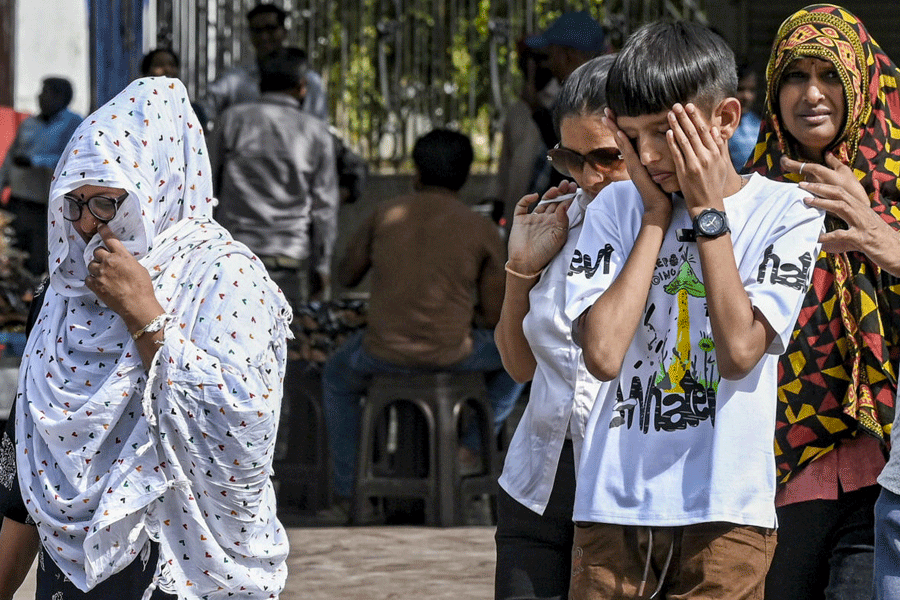
As heatwave conditions intensify across several parts of the country, doctors are reporting a sharp rise in patients suffering from neurological and eye-related ailments linked to extreme temperatures, dehydration and prolonged sun exposure.
Health experts warned that soaring temperatures can disrupt the body’s internal balance, triggering fatigue, dizziness, severe headaches, migraines, heat exhaustion and, in some cases, serious neurological complications, particularly among children, senior citizens and people with pre-existing medical conditions.
Hospitals across Delhi-NCR are witnessing an increase in cases involving dehydration-induced headaches, eye irritation and heat-triggered neurological symptoms.
"The ongoing heatwave is beginning to show an impact beyond routine heat-related illnesses, with a noticeable increase in neurological complaints in our OPD," Dr Vinit Suri, Senior Consultant- Neurology, Indraprastha Apollo Hospital, Delhi, said.
"We have seen nearly a 20 per cent increase in OPD patients over the past few days, with more people coming in with symptoms such as severe headaches, dizziness, disorientation, fainting episodes, worsening of existing neurological conditions, and especially migraine flare-ups," he said.
According to Dr Suri, extreme heat and prolonged exposure to bright sunlight can trigger migraines in susceptible individuals. He added that dehydration and heat stress can alter electrolyte balance and blood flow to the brain, putting pressure on the nervous system.
Doctors cautioned that symptoms such as persistent confusion, slurred speech, unusual drowsiness, seizures or loss of consciousness should not be ignored, as they may signal a neurological emergency requiring immediate medical attention.
Dr Sushma Sharma, Director, Neurology, at Marengo Asia Hospitals, said people suffering from migraine, epilepsy and other neurological disorders are especially vulnerable during periods of extreme heat, poor sleep and power cuts.
"During extreme summer heat, it is important to avoid stepping out during peak afternoon hours whenever possible. If going outdoors is necessary, people should protect themselves by using umbrellas, sunglasses, and covering their heads. Staying hydrated is equally important because dehydration caused by excessive sweating can also lead to confusion and neurological complications," Dr Sharma said.
She advised people to consume natural electrolyte-rich drinks such as coconut water, buttermilk and fresh fruit juices to compensate for fluid loss caused by excessive sweating.
Eye infections, dryness rise during summer
Doctors also warned that eye health often gets neglected during summer despite the season increasing the risk of irritation, dryness and infections.
Dr Neeraj Sanduja, Director at Viaan Eye and Retina Centre, said excessive exposure to sunlight, hot winds, dust and dehydration can significantly affect eye health.
"Summer heat can affect eye health in several ways. Prolonged exposure to strong sunlight, hot winds, dust and dehydration can lead to dryness, irritation, redness and eye strain.
"Many people also experience burning sensation, itching or watery eyes during this season. We also get cases of dry eye syndrome, allergic conjunctivitis and corneal sunburns. Children and those spending long hours outdoors should be extra careful," Dr Sanduja said.
AC use, screen time worsening eye strain
Dr Namrata Sharma, professor at the Dr R P Centre for Ophthalmic Sciences, Delhi, said prolonged exposure to air-conditioners and excessive screen time indoors are also contributing to eye-related problems during the summer season.
"Dry indoor air from air-conditioners, combined with prolonged mobile and laptop use, reduces natural tear production and worsens eye dryness. People often ignore early symptoms such as redness, blurry vision and irritation, which can gradually become more serious if left untreated," she said.
"We are seeing more cases of allergies, dry eye and infections which happen because of faster evaporation of tear film," she said.
She advised people to wear UV-protected goggles outdoors, wash their eyes with clean water after exposure to dust, avoid rubbing their eyes with unclean hands, use lubricating eye drops and stay adequately hydrated throughout the day.
Severe Delhi heat leaves birds dehydrated, animals struggling
City veterinarians and animal rescuers say exhausted pigeons are dropping unconscious from the sky, dehydrated eagles are being picked up from roadsides and street animals are suffering from stomach toxicity amid the capital's punishing heatwave.
A veterinarian at Abhay Daanam Bird and Animal Hospital in the Delhi-NCR region said the facility is receiving nearly 20 bird cases daily linked to heat-related illnesses, marking around a 50 per cent rise in recent weeks.
"Most of the birds coming to us are pigeons. A large number of them are suffering from pigeon pox, an infection that spreads more during periods of extreme heat and poor conditions. We are also getting other kinds of birds, besides horses and cows that are being brought in with dehydration, heat strokes, and immovable conditions," he told PTI.
Pigeon pox is a viral disease affecting pigeons and other birds and causes lesions, weakness, and feeding difficulties. Experts said extreme heat, stress, and unhygienic surroundings often aggravate the spread of such infections.
A veterinarian working in the Shahdara and Chandni Chowk areas said he is currently receiving nearly 70 to 80 cases everyday involving birds suffering from dehydration, breathlessness, and heat-related distress.
Manta Sidhu from People For Animals said the organisation has also been rescuing several stray dogs, cats, and other street animals suffering from dehydration and gastrointestinal infections during the summer.
"Garbage rots much faster during the summer season. When animals consume food from garbage dumps or trucks, they are getting toxicity and gastro infections. Pig fever is also becoming a major issue," she said.
Sidhu urged residents to place bowls of drinking water and create shaded resting spots for animals in their neighbourhoods.
"Everybody has dogs and other animals in their lanes. People should keep water and some shaded space for them, especially during such harsh weather," she added.
Pankaj Gupta from Bird Count India said most resident bird species in Delhi are adapted to high temperatures, but rapid urbanisation and reduction in wetlands are making survival increasingly difficult.
"Most resident birds in Delhi have lived here for thousands of years, so they are adapted to the heat. The real problem is rapid urbanisation, reduction in wetlands and shrinking green cover because of which birds are not able to access enough water," he said.