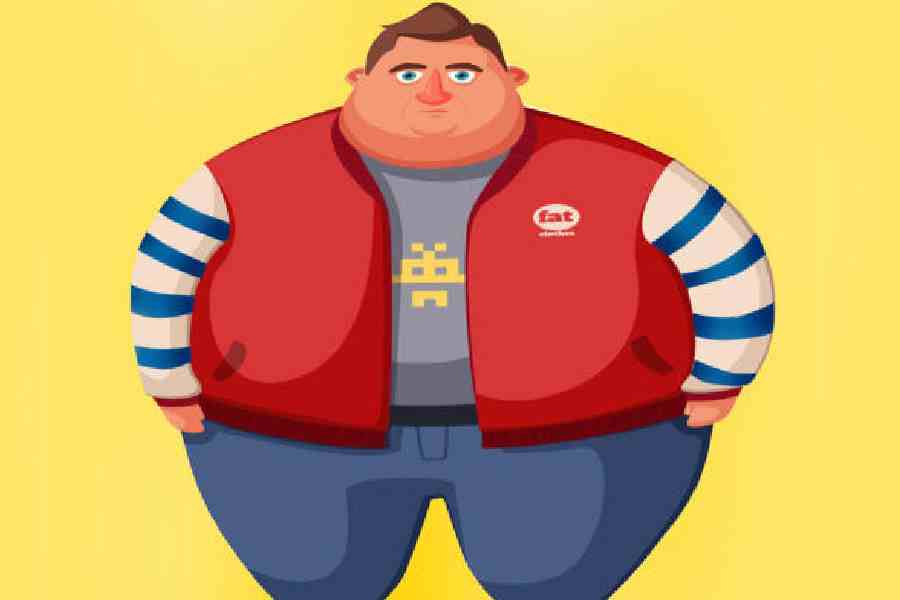
Everywhere you look in India, you can see overweight people. What used to be seen as a problem of urbanisation and ageing has now infiltrated all income and age groups. Culturally, obesity was once viewed as a sign of prosperity. So, unfortunately, it still does not carry much stigma, with little desire for intervention or awareness of the risks involved in being overweight.
A plump child looks cute but childhood obesity can lead to serious problems. It can cause noninsulin-dependent diabetes, high cholesterol and high blood pressure. Elevated lipids cause the buildup of fatty plaques and arterial blockages. Heart attacks and strokes are now occurring at younger ages, even in people who have barely crossed their thirties. Overweight children often grow into obese adults.
Fat boys may develop enlarged breasts, leading to depression, bullying and teasing in school. Girls often attain menarche early and may develop polycystic ovarian syndrome with complications such as irregular periods and excess facial hair. Both boys and girls may have to wear poorly-fitted clothes, may not be chosen for dance or annual day functions and may be left out of sports. Their gait may get altered and they will appear to waddle. Their knees and hips may not be able to support the extra weight, leading to early onset of pain in these overtaxed joints.
Overweight children can develop snoring and obstructive sleep apnoea with repeated dangerous pauses in breathing during sleep. While all children can develop allergies and wheezing, attacks are often more severe and prolonged in overweight ones.
Obesity reduces life expectancy by as much as 10-14 years. It behaves like a chronic disease with continuous, long-standing inflammation. It leads to heart disease and stroke, type 2 diabetes and increases the risk of developing endometrial, breast and colon cancers.
The reasons for obesity are multifactorial. However, affected individuals often blame themselves and are blamed by society for having no self-control, overeating the wrong kinds of food, being lazy and not exercising.
Obesity occurs when the calories consumed exceed those expended through physical and lifestyle activity. People tend to underestimate their calorie intake and overestimate their activity levels. Their diet often consists of fast food or home-cooked, high-fat, high-calorie meals. Sugary juices and colas add significantly to total calorie intake, as they pack a high-calorie punch.
The modern lifestyle contributes to the problem. Houses are smaller, there may be no safe space to exercise and the demands of education or work are time-consuming. Television programmes and cell phones add to the issue. Mindless overeating can occur while being hooked on serials and other programmes.
Many children and adults are chronically sleep-deprived. This disrupts appetite-regulating hormones, such as ghrelin and leptin, leading to overeating.
A lot of people say that “Everyone in my family is fat.” That may be true. While you may have inherited a slower but more efficient metabolism, it is often family members’ shared food and exercise habits that play a larger role.
Obesity may also result from thyroid and other endocrine disorders or from prescribed medications like steroids and antidepressants.
New theories suggest that unhealthy gut microflora, altered by antibiotic use or poor dietary habits, may contribute to obesity.
Weight loss can be achieved in most people by creating a negative calorie balance through reduced food intake and increased physical activity. If time is a constraint, there are high-intensity 10-minute workouts available online. If all else fails, surgery, such as bariatric procedures or gastric banding, may be considered. Frightened of surgery? New anti-obesity medications, under physician supervision, are available as effective weekly injections or less effective daily tablets.
Lose weight, look good and stay healthy!
The writer has a family practice at Vellore and is the author of Staying Healthy in Modern India. If you have any questions on health issues, please write to yourhealthgm@yahoo.co.in