Monday, 22 June 2026
Monday, 22 June 2026
Monday, 22 June 2026
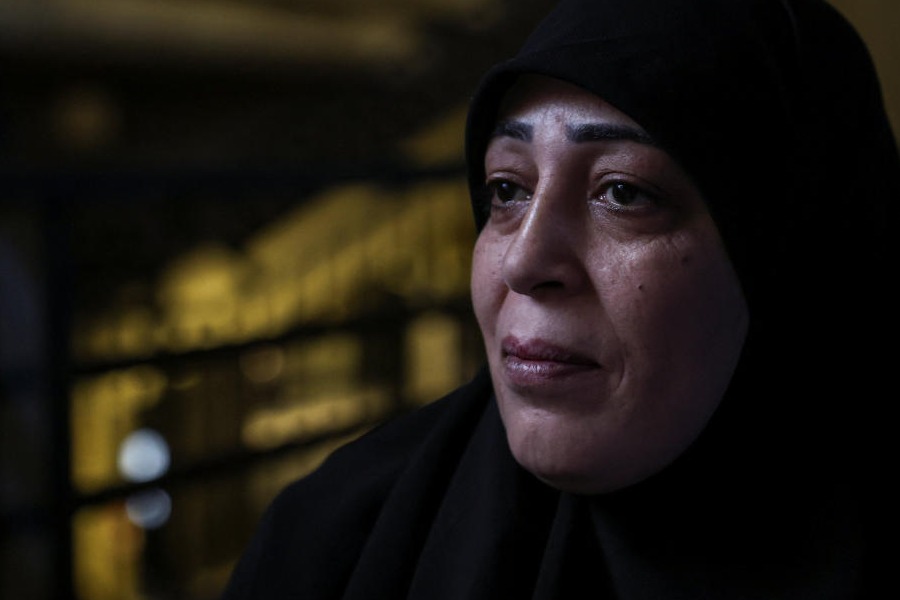
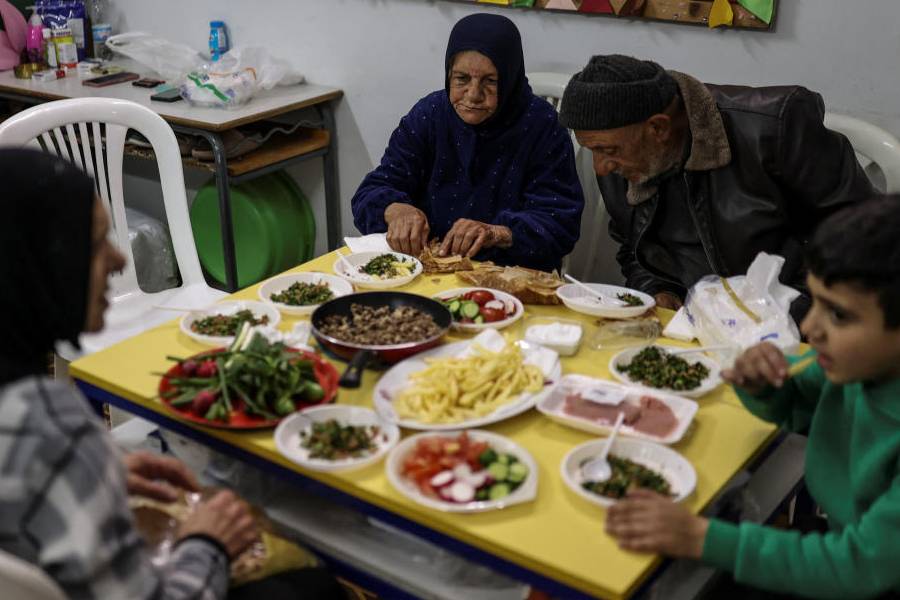
Near the tent she now calls home, Salam Issa Rida dropped pieces of marinated chicken into a pan sizzling atop a camping stove. Her family had been craving chicken to break their daily fast during the holy month of Ramadan. So she had risked her life to get it.
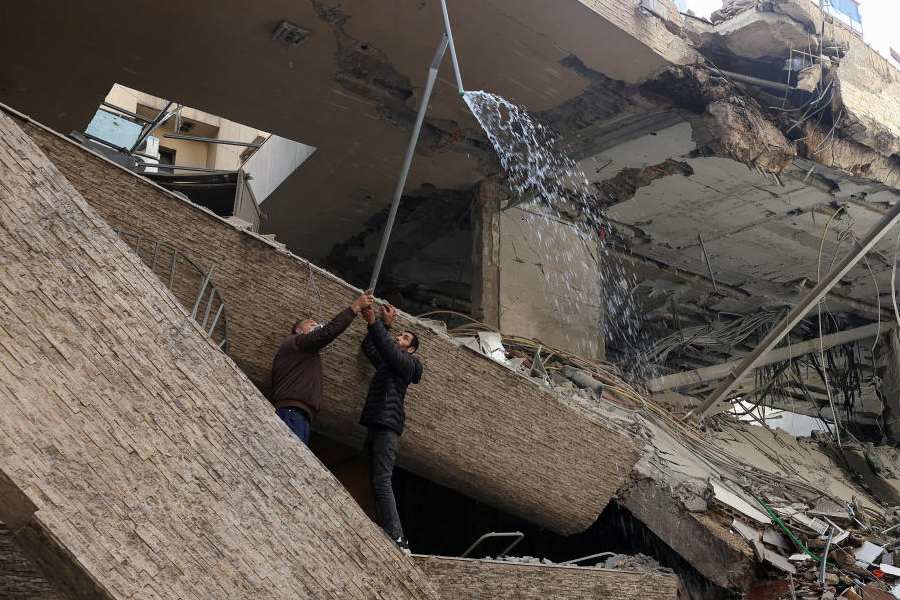
Earlier that day, the Lebanese mother of six had snuck back to her home in Beirut's southern suburbs, declared a no-go zone by Israel's military and bombed heavily by its warplanes.
As she grabbed ingredients and cooking pots from her kitchen, the Israeli military issued a new warning on X, telling residents to leave immediately. A strike was imminent.
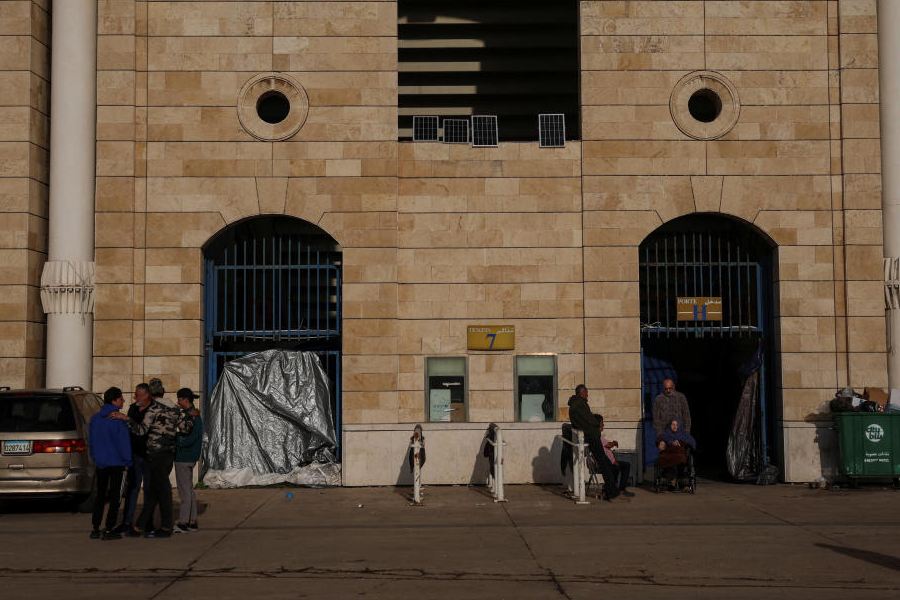
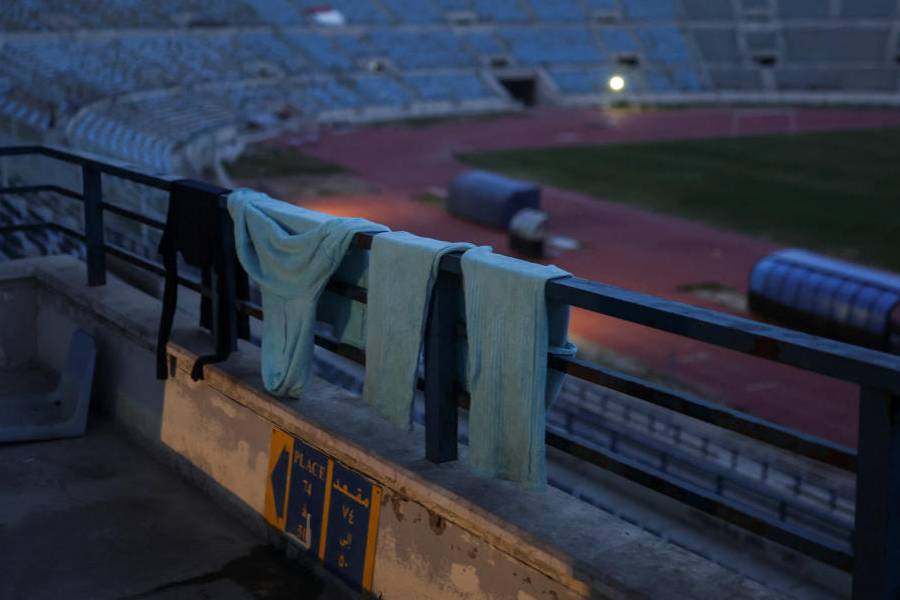
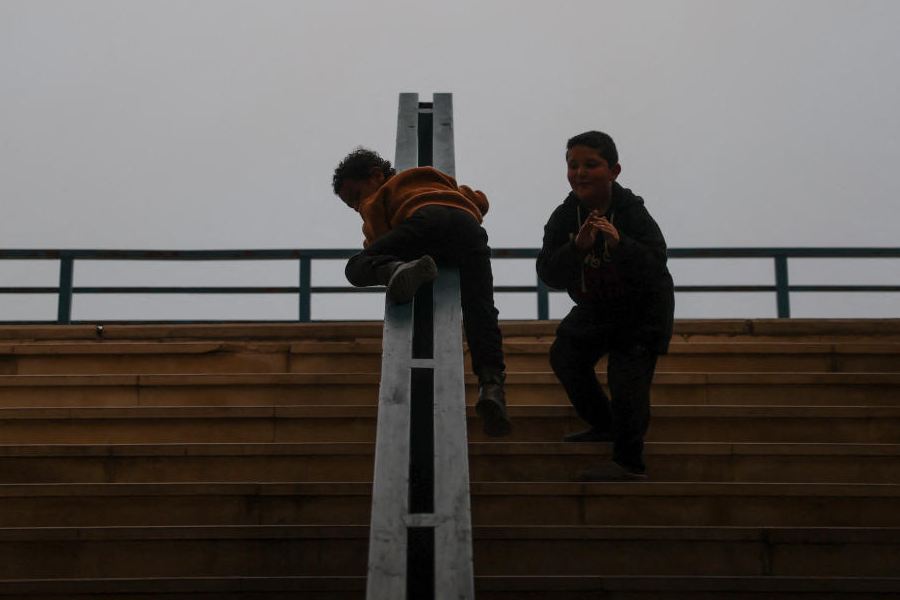
Salam doubled her pace and dashed back to the Camille Chamoun Stadium, Lebanon's largest sports facility - and now a displacement center for hundreds of families like hers.
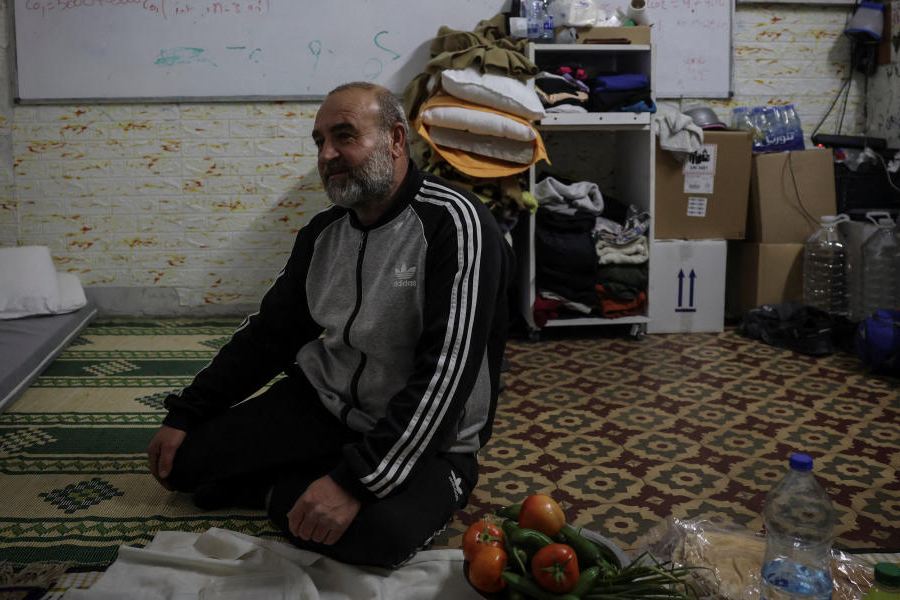
Hundreds of Lebanese are camped out along Beirut's seafronts and tens of thousands more are in municipal buildings such as schools.
At the stadium, aid organisations offer medical help and distribute portions of rice and soup just before the sundown meal, known as iftar.
Along the seaside, volunteers distribute plastic boxes of food, thick blankets and plastic tarps to protect against the rain.
Fasting, then fleeing
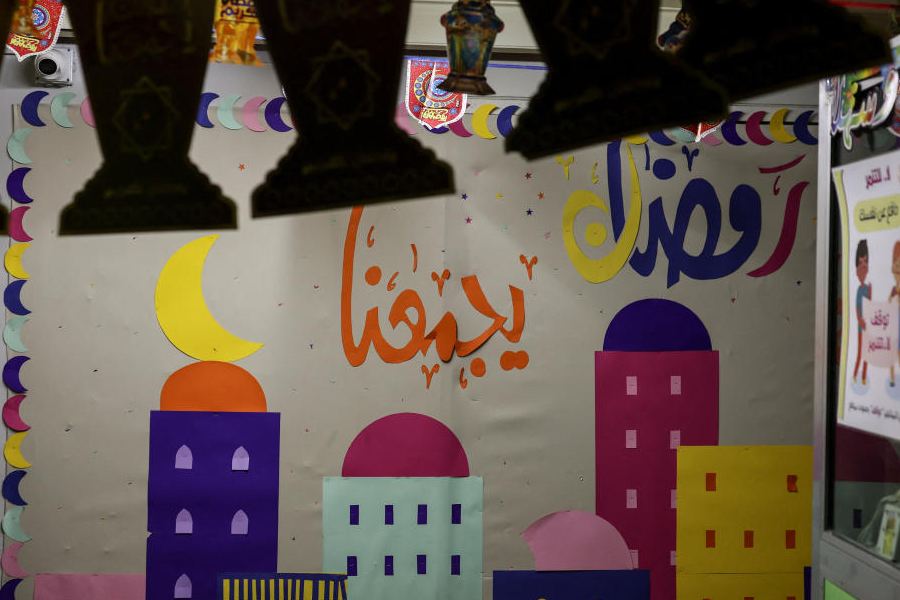
Displaced Lebanese have tried to keep as many of their treasured Ramadan customs as possible, still beginning their daily fast at sunrise and breaking it with a sundown meal as mosques echo out the call to prayer.
But in Lebanon, where armed group Hezbollah and the Israeli military have been trading blows, the pace of this holy month has been defined more than ever by Israeli air strikes and orders to leave home.
Just two weeks ago, Salam had barely set the table at home for iftar when the Israeli military published an evacuation order for all of Beirut's southern suburbs - the first time it had ordered a mass displacement from the area.
"We didn't know where exactly (they would strike) anymore. That's it, you just have to leave," she told Reuters. Her family swiftly packed up their dinner and some clothes, and joined the traffic jam of other fleeing families.
They finally ate hours later, spreading a cold meal out on the sand on Beirut's coastline.
"The wind was so strong - I started to cry. I started to cry from my despair over the kids. My cousin's daughter, a child, what did she do to deserve us running with her like that?"
Yearning for traditional customs
Displaced Lebanese are reminiscing about Ramadan in their southern hometowns, where they would break their fasts in the same homes their ancestors did.
Hani Ghadban, a 56-year-old farmer, had to flee Meiss al-Jabal - one of the Lebanese towns most heavily battered in this year's conflict and the last war.
"All the grandkids and parents would gather and spend the night together," said Ghadban, now living in a school-turned-shelter in Beirut.
He recalled steaming skewers of meat making mouths water just minutes before iftar. Endless cups of hot tea to help digestion. The late-night hookah sessions with neighbours. "A farmer doesn't belong in Beirut," he told Reuters.
Dashing home between strikes
In the stadium, Salam shelters with her husband, children and sister-in-law. The daily air strikes on Beirut's southern suburbs a few kilometres away sound even louder echoing through its concrete halls. A rainstorm flooded the tents this week.
The family cannot afford to rent an apartment. Landlords have been hesitant to host Shi'ite Muslims like her, afraid someone among the displaced may be a target for Israel. Israel has warned that displaced Lebanese would not be able to return until the safety of Israelis living near the border was ensured.
But Salam wants her children to have their favorite dishes - even if it's dangerous. She has tried to identify breaks in air strikes when she can sneak back to her house, miraculously still standing.
"No one's unafraid - we all get scared. But when my kids aren't with me and I'm not slowed down by anyone, I still go."
Missing the living and the dead
Despite Salam's best efforts, some traditions have been disrupted.
In previous years, she visited her mother after iftar to chat over coffee. But seeking refuge in different parts of Beirut, the two haven't seen each other in weeks.
The end of Ramadan is marked by Eid al-Fitr. Besides sharing a festive meal and gifts for children, Muslims also visit the graves of their deceased loved ones.
Salam's father died during the 2024 war between Hezbollah and Israel. He is buried in their hometown of Ramia, near Lebanon's southern border with Israel. "That's the only thing affecting me, that I won't be able to go pray at his grave," she said.
'Strangers in our own country'
Her 43-year-old husband Ahmed, who is in a wheelchair, said Ramadan is about sacrifice and prayer - but this year, families gave up more than usual.
"Those fasting have two joys: iftar, and Eid. We haven't seen iftar, and we're not going to see Eid," he said.
"We suffered a lot, but we worshipped less. We couldn't get together, read the Quran or do our prayers. We're strangers in our own country. That's worse than war." Zeinab, Ahmed's sister, said her village has been bombed heavily by Israel and is unreachable, leaving her family scattered.
"Now, where is everyone?" said Zeinab.
"If someone got sick, you could go visit them and check on them. Now, whether someone dies or lives, you don't even know."