Monday, 08 June 2026
Monday, 08 June 2026
Monday, 08 June 2026
La Tomatina, the biggest annual food fight held in Valencia, Spain was made popular in India after the release of the movie Zindagi Na Milegi Dobara in 2011. Since then, it has been replicated multiple times in India.
It was first held in 2016 in Shillong, India, where hundreds took part and fought with tomatoes, donated and then discarded by the local seller.
Since then, various cities have experimented with having similar tomato events across India.
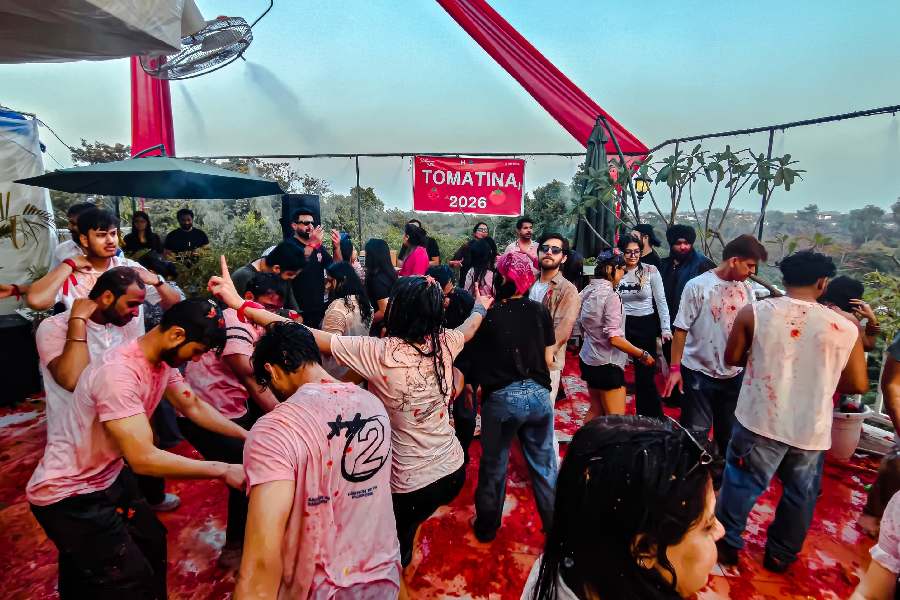
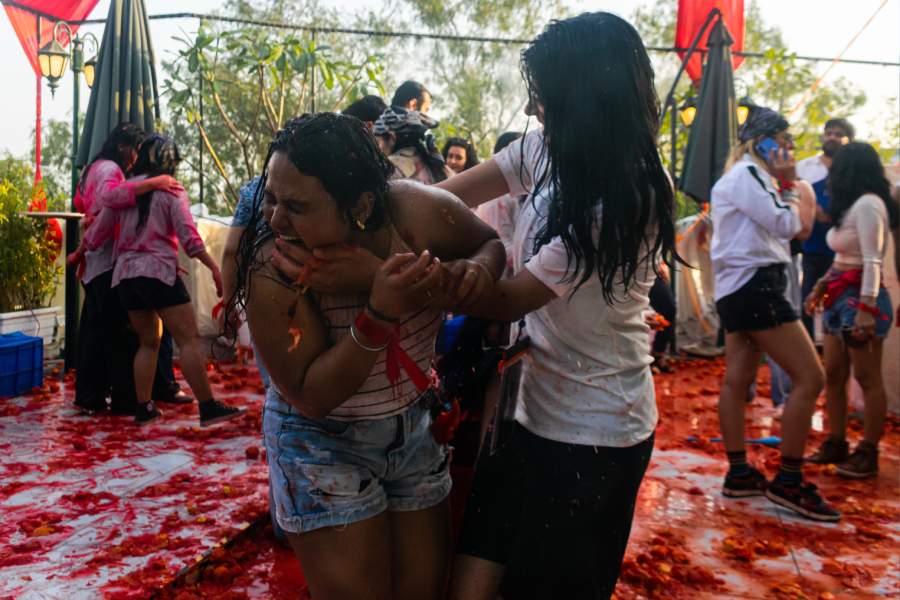
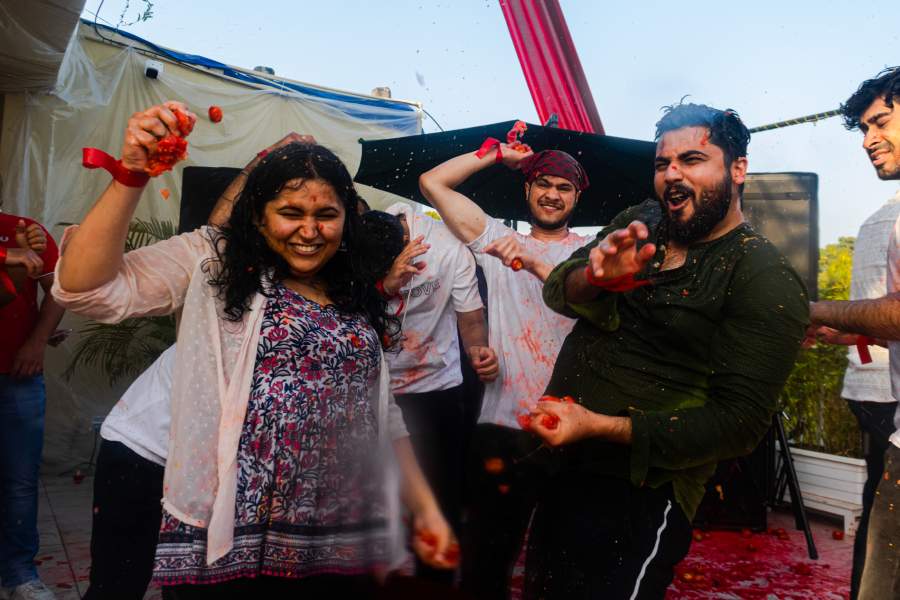
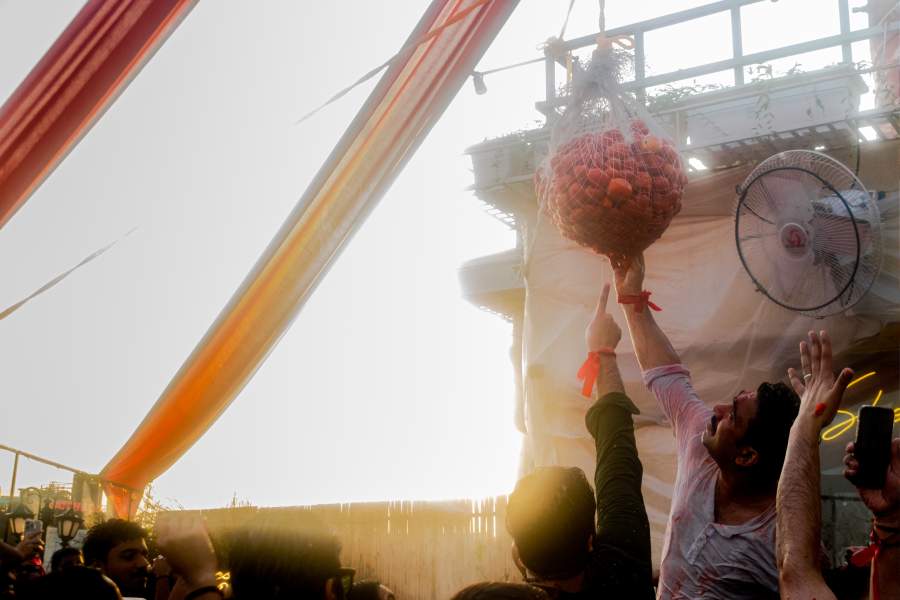
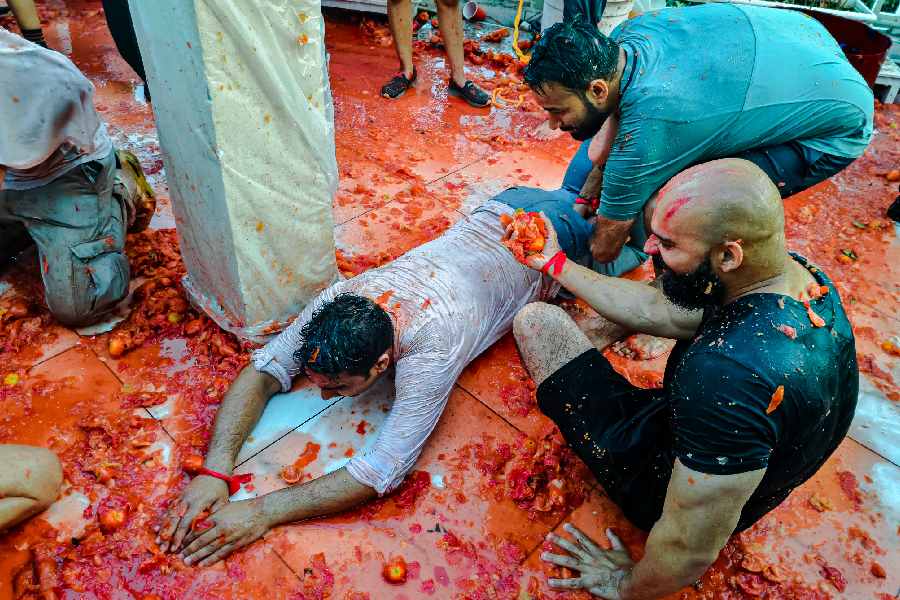
This year, just ahead of Holi, the founders of Shellbeacon Cafe, Ashi and Abhilasha, and the founder of Mitramesh, Vasu, curated a ticketed “Tomatino Sundowner,” inspired by Spain’s La Tomatina but tailored to an urban Indian setting.
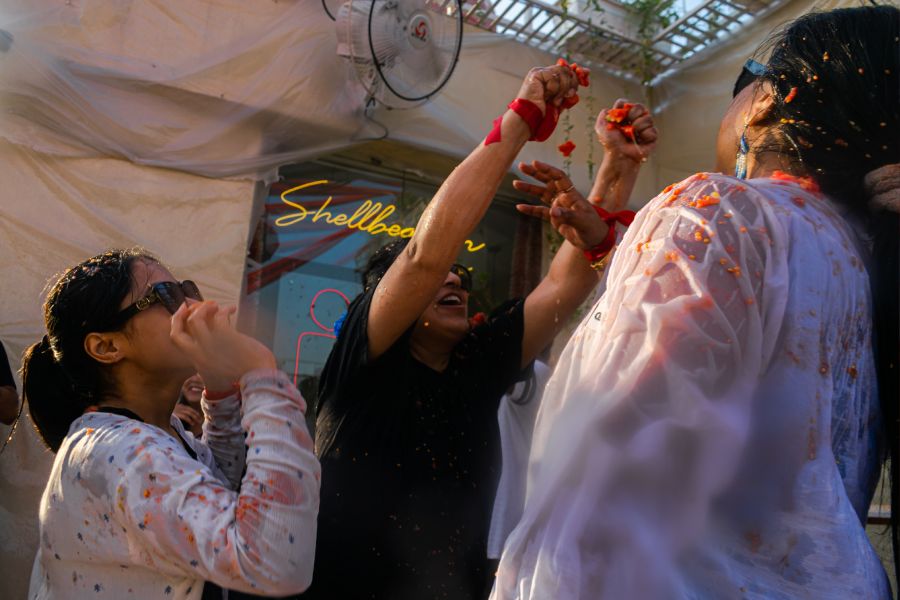
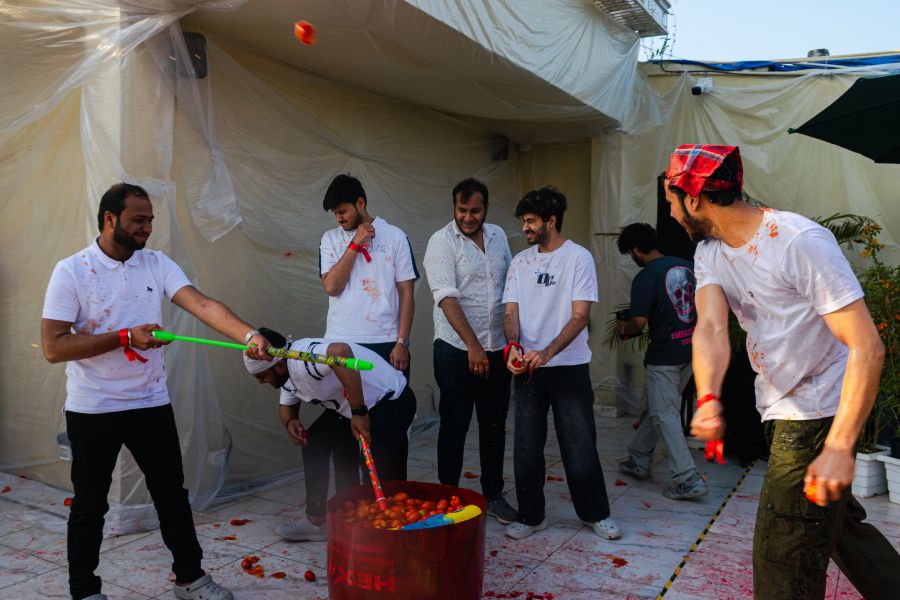
What began with a playful splash from a pichkari quickly escalated into a vibrant red spectacle. Bollywood tunes melded beautifully with Hollywood EDM tracks, and initial hesitation among attendees gave way to a collective frenzy as the DJ's beats took over.
Though the festival has no religious roots, La Tomatina in Spain began as a food fight among youths in the 1940s during a festival parade, becoming an annual, messy celebration.
Under Francisco Franco's dictatorship, the festival was banned, but local resistance and symbolic protest led to its resumption.
A major factor behind India’s fascination with La Tomatina was the 2011 Bollywood film Zindagi Na Milegi Dobara. The Tomatina sequence romanticised the festival for Indian audiences. Bollywood has played a critical role in introducing and normalising foreign cultural events in India.
Music festivals based on EDM, Oktoberfest-style gatherings, and international-style carnivals have all gained popularity due to cinematic portrayals.
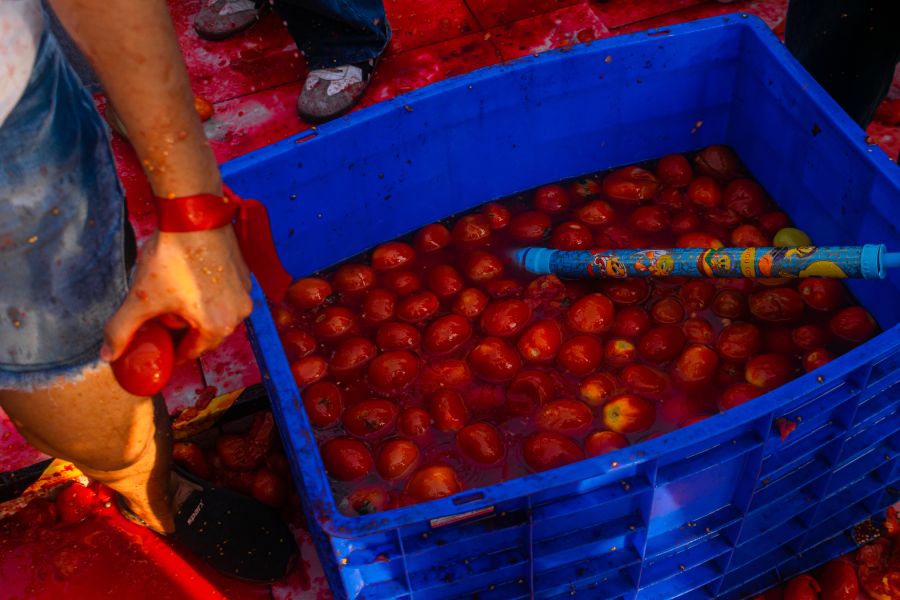
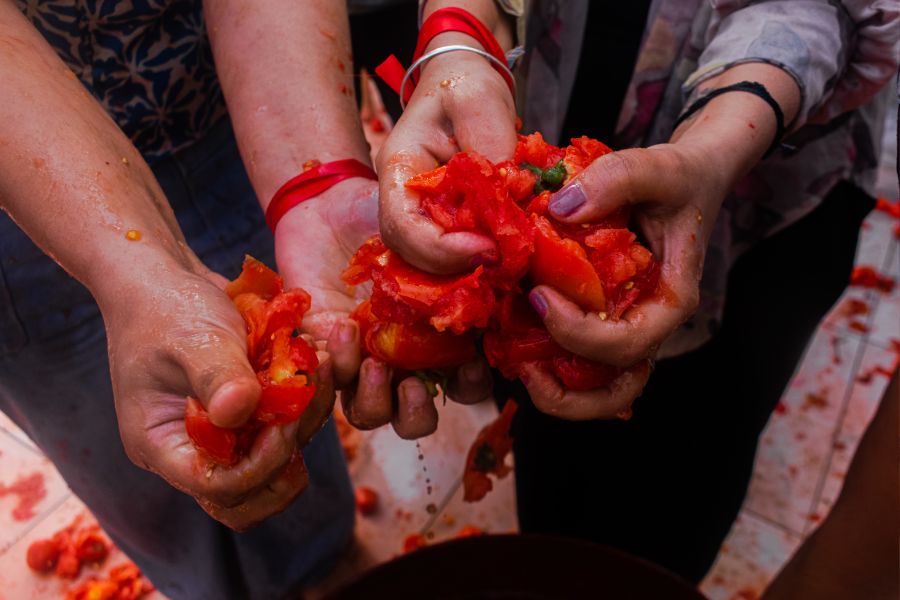
Participants squashed buckets of overripe tomatoes before throwing them, following the essential rule: “Squish before you throw.” Water guns were later filled with diluted tomato pulp and sprayed into the throng.
India’s urban centers are witnessing an expansion of curated, global-themed events.
Multiple event companies across metro cities are organising controlled adaptations of such revelry in India. They are reshaping them for Indian sensibilities, climate conditions, and sustainability concerns by incorporating Bollywood music, regional flavors, and local partnerships, binding hybrid cultural experiences that are both global and Indian.