Sunday, 05 July 2026
Sunday, 05 July 2026
Sunday, 05 July 2026
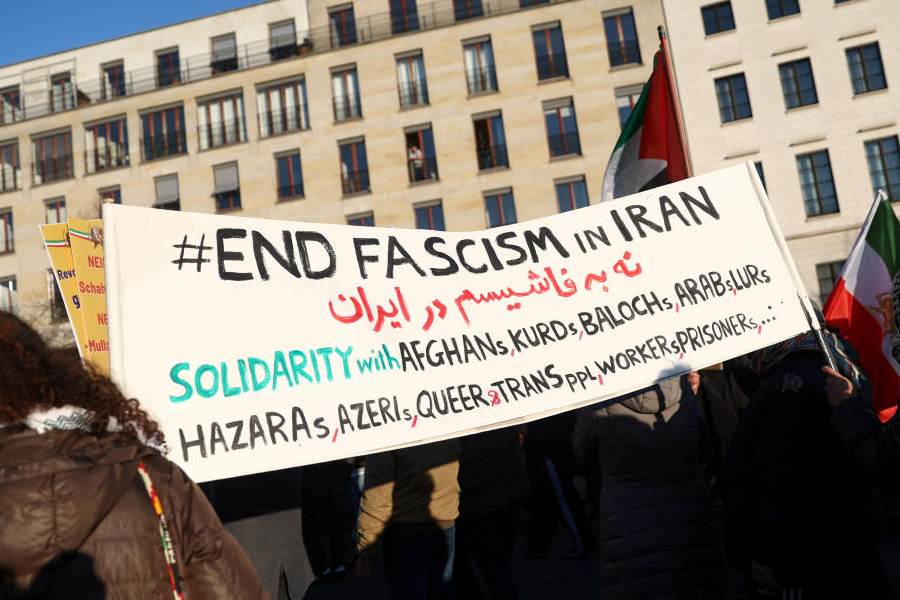
At least 5,000 people have been killed in protests in Iran, including about 500 security personnel, an Iranian official in the region said on Sunday, citing verified figures and accusing "terrorists and armed rioters" of killing "innocent Iranians".
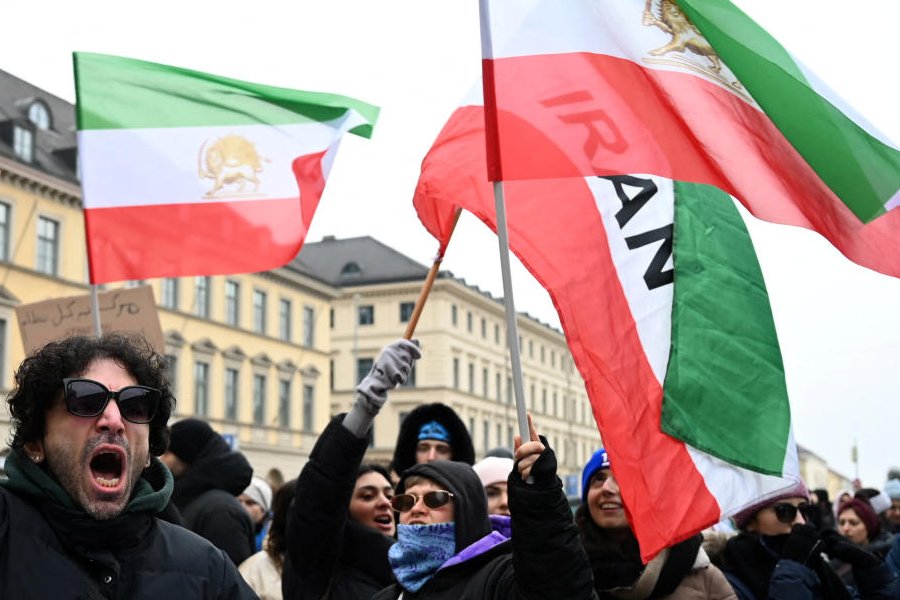
Nationwide protests erupted on December 28 over economic hardship and swelled over two weeks into widespread demonstrations calling for the end of clerical rule - resulting in the deadliest unrest since Iran's 1979 Islamic revolution.
US President Donald Trump has repeatedly threatened to intervene if protesters continued to be killed on the streets or were executed. In a social media post on Friday, he thanked Tehran's leaders, saying they had called off scheduled mass executions.
In an interview with CBS News on January 13, Trump said that if Iranian authorities went ahead with hanging protesters, “We will take very strong action. If they do such a thing, we will take very strong action”.
He also said, “If they execute them, you’re going to witness some events,” linking the threat to the ongoing crackdown on unrest in Iran.
On Saturday, Supreme Leader Ayatollah Ali Khamenei said: "We will not drag the country into war, but we will not let domestic or international criminals go unpunished," state media reported.
On Sunday, the judiciary indicated that executions may go ahead.
"A series of actions have been identified as Mohareb, which is among the most severe Islamic punishments," Iranian judiciary spokesperson Asghar Jahangir told a press conference.
Mohareb, an Islamic legal term meaning to wage war against God, is punishable by death under Iranian law. Trump said in an interview with Politico on Saturday: "it's time to look for new leadership in Iran".
US-based rights group HRANA said on Saturday the death toll had reached 3,308, with another 4,382 cases under review. It said it had confirmed more than 24,000 arrests.
The Iranian official said the verified death toll was unlikely to "increase sharply", adding "Israel and armed groups abroad" had supported and equipped those taking to the streets.
The clerical establishment regularly blames unrest on foreign enemies, including the US and Israel, an arch foe of the Islamic Republic which launched military strikes in June.
The violent crackdown appears to have broadly quelled protests, according to residents and state media.
One resident in Tehran said he had witnessed riot police directly shooting at a group of protesters, who were mostly young men and women. Videos circulating on social media, some of which have been verified by Reuters, have shown security forces violently cracking down on demonstrations across the country.
Highest death toll in Kurdish areas
The Iranian official, who declined to be named due to the sensitivity of the issue, also said some of the heaviest clashes and highest number of deaths were in the Iranian Kurdish areas in the country's northwest.
Kurdish separatists have been active there and flare-ups have been among the most violent in past periods of unrest.
Three sources told Reuters on January 14 that armed Kurdish separatist groups sought to cross the border into Iran from Iraq in a sign of foreign entities potentially seeking to take advantage of instability.
"I am against this regime and have taken part in protests, but I witnessed some armed individuals disguised as protesters shooting at civilians. They were not ordinary protesters, they carried guns and knives," an Iranian in a northwestern town told Reuters on condition of anonymity.
The Norway-based Iranian Kurdish rights group Hengaw has said some of the heaviest clashes during protests that erupted in late December were in Kurdish areas in the northwest.
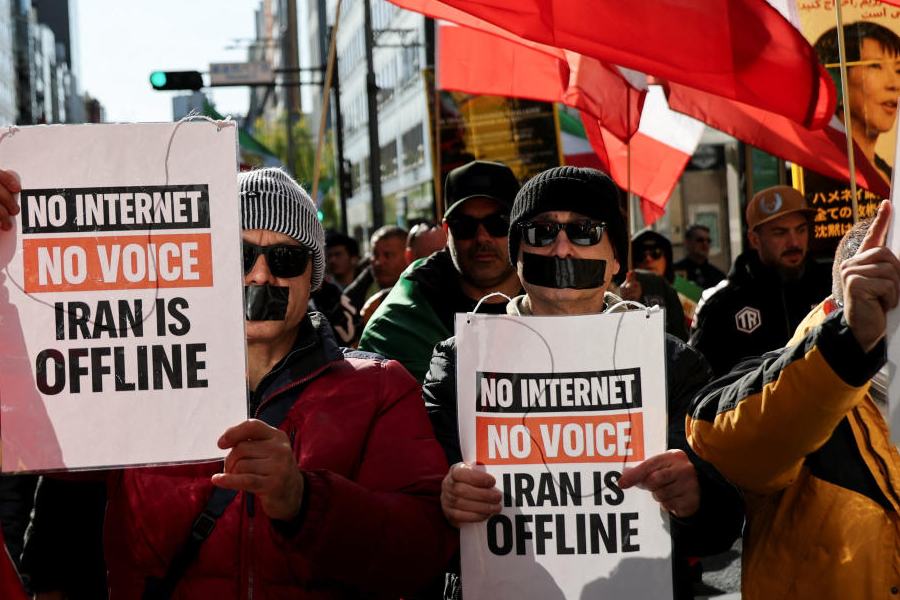
Getting information out of Iran has been complicated by internet blackouts, which were partly lifted for a few hours early on Saturday. But internet monitoring group NetBlocks said the blackout seemed to have later been reimposed.
Faizan Ali, a 40-year-old medical doctor from Lahore, said he had to cut short his trip to Iran to visit his Iranian wife in the central city of Isfahan as "there was no internet or communication with my family in Pakistan".
"I saw a violent mob burning buildings, banks and cars. I also witnessed an individual stab a passer-by," he told Reuters upon his arrival back in Lahore.