Tourism stakeholders in the Dooars and adjoining hill regions have reported financial losses this year, attributing the downturn to the special intensive revision (SIR) of the electoral roll and the subsequent Assembly polls.
Ganesh Sau, a lodge owner at Chilapata in Alupurduar district, said: “Over the past couple of months, we suffered heavy losses because of the SIR and the elections. Despite very low tourist footfall, we have had to pay staff salaries from our own pockets. Every year, March and April bring a large number of tourists after board exams, but this season has been completely different. From June 16, forests will again be closed to tourists.”
Biplab Dey, a tour operator based at Lataguri in Jalpaiguri, echoed similar concerns.
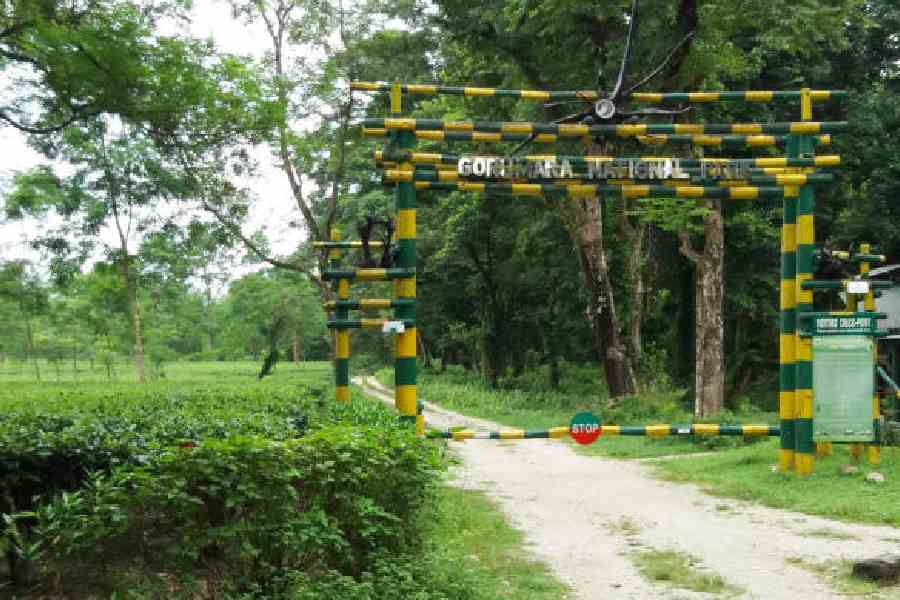
“In the past two months, very few tourists visited the Dooars, including the Gorumara National Park, the Jaldapara National Park and the Buxa Tiger Reserve. In the past 60 days, we had bookings on barely 10 days. On top of that, there has been a shortage of gas cylinders. We are currently unable to pay our electricity bills,” said Dey.
Traditionally, March and April mark the beginning of the summer tourist season, as board examinations conclude and families plan vacations to destinations such as Darjeeling, Sikkim and the Dooars. The hill stations particularly witness a surge in visitors from Calcutta and the southern parts of the state, who travel to the hills seeking relief from the summer heat.
However, this year, the SIR exercise in March kept many people occupied, while government employees were engaged in election duties and related training conducted by the Election Commission.
As a result, many potential tourists were unable to travel. Additionally, a large number of vehicles were requisitioned for election purposes, further disrupting travel plans.
Industry stakeholders estimate that tourist arrivals in north Bengal and particularly in the Dooars, dropped by nearly 75 per cent compared to previous years, leading to massive financial losses. Many lodge owners and tour operators have struggled to meet basic expenses, including staff salaries.
Biswajit Saha, a lodge owner in Madarihat, highlighted the broader impact on regional tourism. “We have been in a serious crisis for the past two months. Surprisingly, even tourist flow to Bhutan has declined. Many travellers, who usually stop at Madarihat to visit Jaldapara, either en route to Bhutan or on their return, have not come this year,” he said.
Safety concerns ahead of the elections also discouraged travel, with tourists avoiding even nearby international destinations like Bhutan.
A tour operator summed up the situation: “March, April, and May are usually peak months for tourism here, but this year, they turned into an off-season. The losses run into crores of rupees.”
Raj Basu, a veteran in tourism and chairman of the state’s eco-tourism committee, said: “April and May usually see a large influx of tourists to the hills. But this year, because of the SIR in March and the elections in April, tourist numbers dropped sharply. All segments of the tourism industry have suffered significant losses, which cannot be compensated for. Moreover, from June 16, national parks and sanctuaries will remain closed for three months, further affecting tourism.”