Prices of imported European cars are expected to soften after India agreed to gradually reduce import duties under its free trade agreement (FTA) with the European Union, concluded on Tuesday after 18 years of negotiations.
Under the pact, tariffs on cars will be cut from the current 110 per cent to 10 per cent, subject to a quota of 2.5 lakh vehicles a year — over six times the 37,000 unit quota offered to the UK in a separate trade deal.
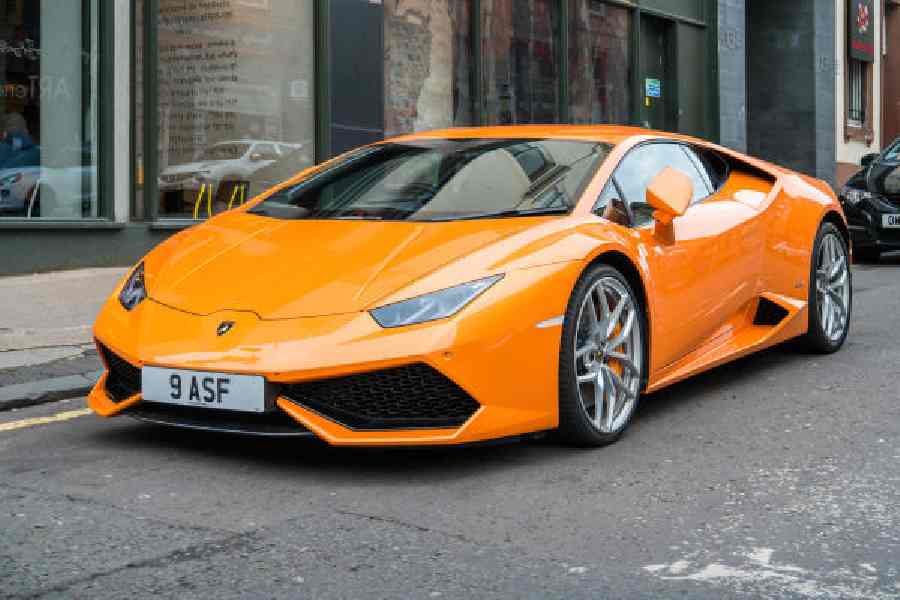
The European Commission said EU car exports to India were worth €1.6 billion in 2024. The duty cuts are set to benefit manufacturers such as Mercedes-Benz, BMW, Audi, Volkswagen, Renault, Lamborghini and Porsche.
Currently, India levies a basic customs duty of 70 per cent plus a 40 per cent agriculture infrastructure and development cess (AIDC) on completely built units (CBUs) priced above $40,000, taking the effective rate to 110 per cent.
According to commerce ministry officials, the effective threshold under the FTA is €15,000 (about ₹15 lakh). Duty reductions will start at 30–35 per cent in the first year and taper to 10 per cent over time.
In a bid to protect the domestic manufacturers, EU exports would not target cars likely to retail below ₹25 lakh in India, though local manufacturing remains an option.
“On automobiles, a calibrated and carefully crafted quota-based auto liberalisation package will not only allow EU auto makers to introduce their models in India in higher price bands but also open the possibilities for Make in India and exports from India in future,” the commerce ministry said in a statement.
Electric vehicles will be excluded for the first five years, with duty reductions starting later and varying by segment to protect India’s growing EV industry.
Despite the headline tariff cuts, Mercedes-Benz ruled out near-term price reductions. Managing director Santosh Iyer said that over 90 per cent of its sales in India are locally made, with only about 5 per cent imported as CBUs.
Audi India brand director Balbir Singh Dhillon said pricing implications can be assessed only after reviewing the final terms.
European brands currently account for about 3 per cent of India’s car market, which is dominated by Maruti Suzuki, Hyundai, Tata Motors and Mahindra. The stocks of domestic car makers dipped on Tuesday following the
announcement.
“By lowering the barrier to entry for luxury vehicles, the policy opens the market to a broader demographic of affluent buyers. Crucially, the domestic-heavy ₹10–25 lakh price bracket will see little to no impact, preserving the status quo for the country’s largest sales volume segment,” said Hemal Thakkar, director, Crisil Intelligence.