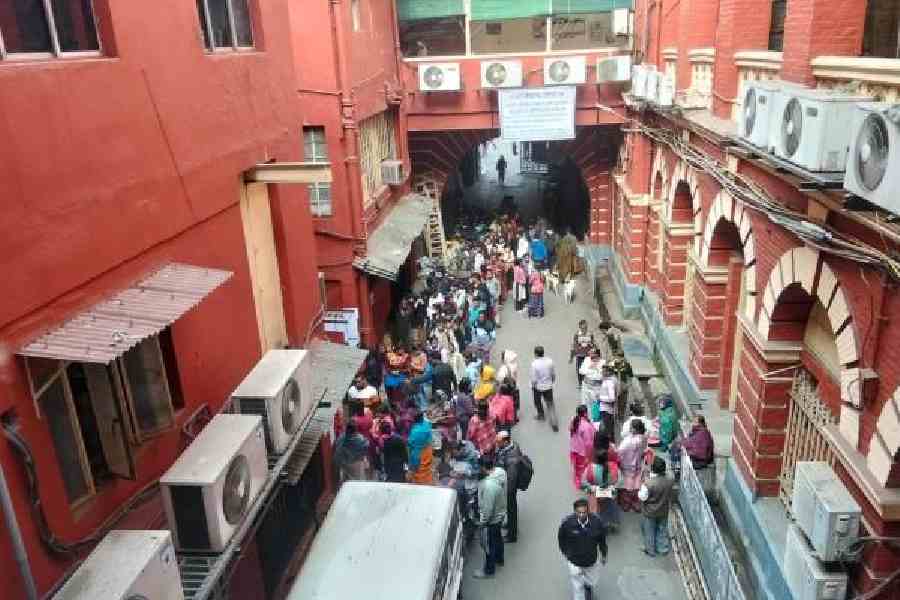
Over 16,900 domicile certificates meant for submission during SIR hearings have been issued by the Kolkata Collectorate since December 9.
Before SIR hearing notices began going out in late December, the collectorate issued around 1,500 domicile certificates annually, sources at the office said. The sudden surge underscores the scramble among residents to obtain documents that could help ensure their names are not deleted from the electoral rolls.
A domicile certificate, also known as a permanent residence certificate, is issued to applicants who have lived in a place for at least 15 years. Such certificates are required for a range of purposes, including applications for competitive exams where seats are reserved for state domiciles, hostel applications in other states, defence-related jobs and organ transplant registrations.
Enumeration forms filled out by voters as part of the SIR listed a permanent residence certificate among the documents that electors could submit during hearings. However, there was confusion over whether these certificates would ultimately be accepted as valid proof of residence.
Clarity came only on Friday, when the Election Commission wrote to the chief electoral officer of Bengal, confirming that permanent residence certificates would be accepted. The letter stated that “Domicile/Permanent Resident Certificates in the State of West Bengal” would be accepted if issued by the “District Magistrate/Additional District Magistrate/Sub-Divisional Officer/Collector (Kolkata)”.
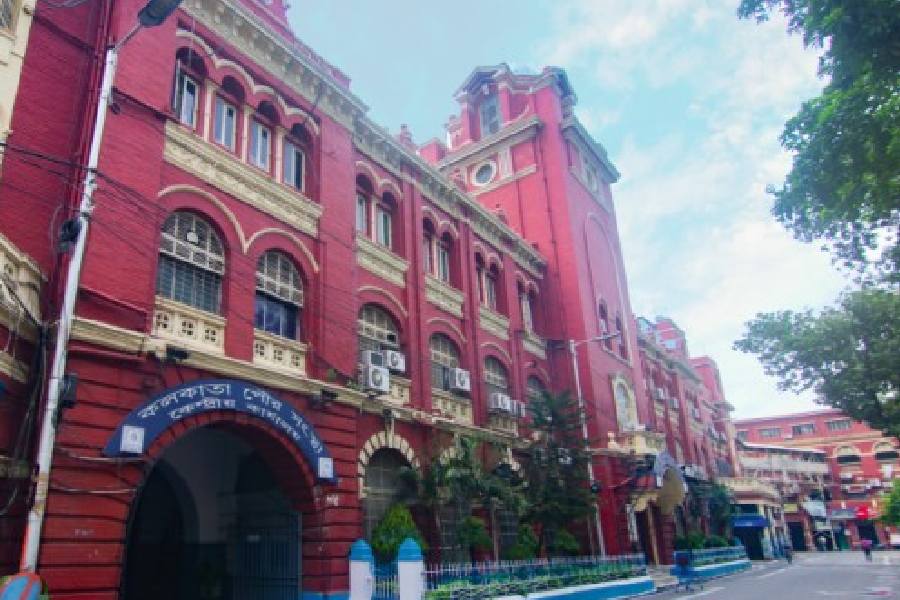
Collectorate officials said the number of domicile certificates issued specifically for the SIR was easy to track because the certificate mentions the purpose for which it is issued.
“Between December 24 and February 9, we issued 16,925 domicile certificates. Some people took certificates even before December 24, anticipating they might be required. Applications started rising from late December, with a deluge in mid-January,” said an official.
The number of applications received during the period was significantly higher, with many being rejected after police verification. “We received 19,167 applications during this period,” the official said. This indicates that over 2,000 applications were rejected.
Each application was sent for police verification, and those found not meeting the 15-year residency requirement were turned down. In some cases, applicants withdrew their requests at a later stage, while others were rejected due to errors in the forms.
Officials said most applicants were “poor people”, many of them daily wage earners who lacked other documents sought during SIR hearings. “They submitted Aadhaar cards, ration cards and councillor’s certificates with their applications. Some also provided rent receipts, rent agreements or deeds confirming ownership of property. The police physically visited the areas to verify that the applicants had been living there for 15 years or more,” the official said.
Women who moved to their in-laws’ homes after marriage formed a sizeable section of the applicants, the official said.
The process for issuing domicile certificates was also made faster during the SIR period. Earlier, the process typically took between 15 and 20 days. “On average, we issued certificates within seven to eight days from the date of application,” an official said, adding that police verification reports were also received faster than usual.
Applications for the certificates were submitted either directly at the collectorate’s office or routed through the Kolkata Municipal Corporation. The civic body began accepting applications for domicile certificates at its headquarters and all borough offices from late December.
Applicants can download the domicile certificate form from the citizen services section of the collectorate’s website, sources said. The completed form must be submitted at the collectorate’s office in Dalhousie.