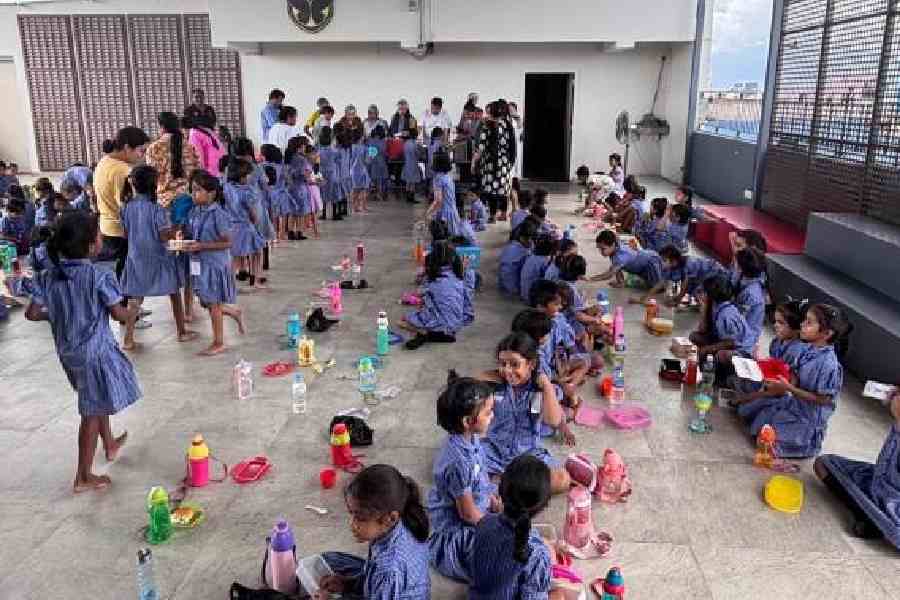
Several NGOs working with children are adjusting their cooking and fuel use to cope with the ongoing LPG crisis.
Organisations are curtailing weekly LPG consumption while still trying to provide nutritious meals, as many of the children they serve live in slums or on the streets, with parents unable to consistently provide wholesome food.
Most NGOs have shifted to one-pot meals that require less cooking time. One organisation is now serving khichdi or soya chunk pulao instead of the usual rice, dal and vegetables. Another is providing tetra pack milk instead of milk that needs boiling. In many NGOs, puri and ghugni have been removed from menus.
“We are tweaking the menu wherever possible, but we also have to maintain the nutritional value of the meals we provide to the children,” said Mohuna Dutt, CEO of Calcutta Social Project, which runs two shelter homes with 50 children each.
Ek Tara has also reduced its menu and shifted snacks to fruits and salads. “From this week, we have started giving khichdi or dal, rice and aloo bharta so that meals are less intensive on cylinders. Normally, we serve rice, dal, one vegetable gravy or egg curry,” said Vinita Saraf, trustee of Ek Tara.

The organisation mainly works with children in Tangra-Topsia, and fewer children eat during the month of fasting for Ramzan. “Usually we serve 600 kids every day, but now we are cooking for 250,” Saraf said.
Ek Tara normally uses 10 cylinders monthly to make food for 600 children, and snacks are prepared in the in-house bakery.
The Tollygunge Ramdhanu Social Welfare Society on Southern Avenue has shifted most cooking to induction plates. “Given the situation, elaborate cooking is impossible. One-pot meals are the only option, whether for lunch or dinner,” said Mitrobinda Ghosh, founder of Ramdhanu.
“Buying an induction hob is just the first step; cookware is also needed,” said Dutt of Calcutta Social Project.
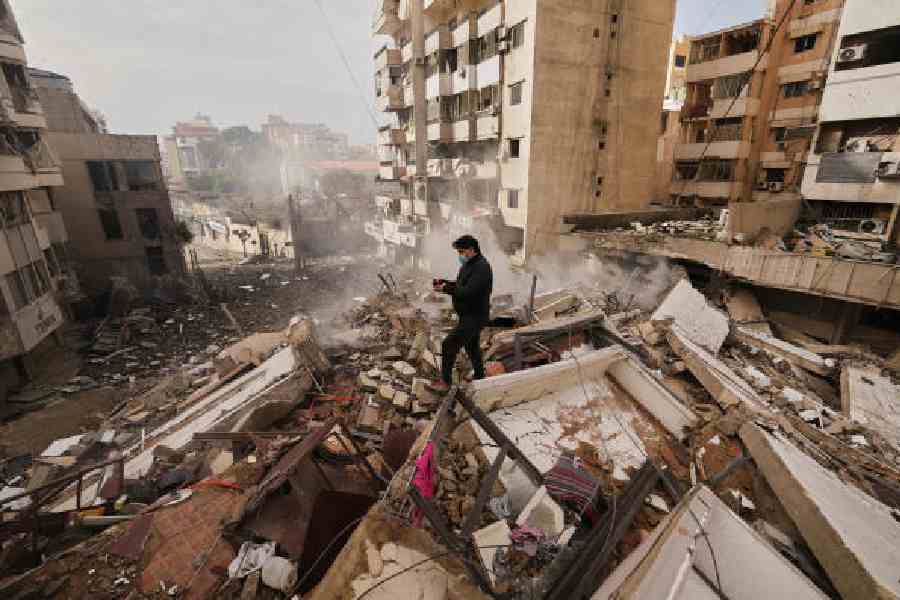
Ananda Ashrama, a residential facility for individuals with autism in Jamdoba village in West Burdwan, about 160km from Calcutta, uses four cylinders a week to feed 45 people on weekdays and up to 55 on weekends.
“We are using coal and wood for items like rice and lentils to reduce cylinder usage to two per week,” said Arunasis Adhikari, a trustee of Ananda Ashrama.
“We are seriously considering alternative fuel sources, like setting up a biogas plant,” he added.
The facility also provides vocational training to individuals with autism, creates livelihood opportunities for them and addresses parents’ concerns about their children’s future.