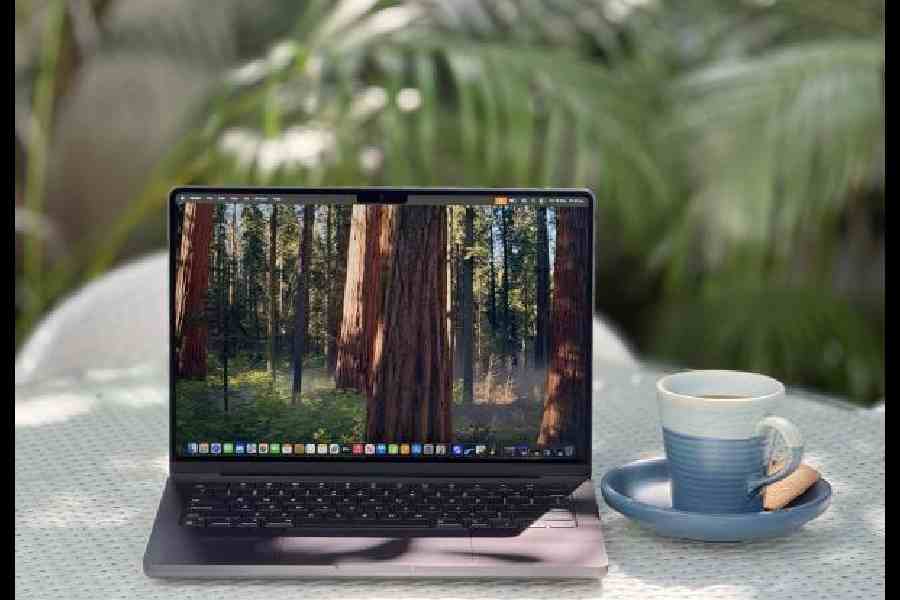
Apple macOS has always kept one tradition alive: the name reveal. Last year brought macOS Tahoe, and speculation is already swirling about what this year’s edition will be called.
Apple has quietly trademarked a long list of candidates earlier — Condor, Diablo, Farallon, Grizzly, Mammoth, Miramar, Pacific, Redwood, Redtail, Rincon, Shasta, Skyline, and Tiburon among them — none of which have been used yet. The answer arrives at WWDC today.
The bigger story, though, may be what macOS 27 leaves behind. If the rumours hold, this will be the first version of macOS to require Apple silicon outright, marking a clean break from Intel-based Macs altogether. A small number of older Intel models may continue to receive security patches for previous versions of macOS until September 2028, but they are already shut out of flagship features. macOS 27 is also expected to retire Rosetta 2, the translation layer that has allowed Intel-based Mac apps to run on Apple silicon machines since the transition began.
Rather than chasing headline features, Apple appears to be prioritising the fundamentals this time around. According to Bloomberg’s Mark Gurman, Apple is focused on improving software quality and underlying performance, with engineering teams working through the operating system to cut bloat, eliminate bugs, and find meaningful gains in speed and reliability. It is a quieter ambition than usual, but arguably a more important one.
Siri will inevitably command attention. MacWorld reports that Apple is internally testing a standalone Siri app for macOS, said to support persistent conversations, conversation history, file uploads, and synchronisation across devices. Whether it launches on macOS alongside its iOS counterpart remains unclear, but the direction is significant — Siri moving from a feature to a destination.
Perhaps the most intriguing rumour concerns the MacBook Pro. This could be the year Apple finally introduces a touchscreen model, and if so, macOS 27 is expected to accommodate it. Gurman has reported that the new interface will be refreshed and dynamic, capable of shifting between touch-optimised and traditional point-and-click modes depending on how the device is being used. Whether that amounts to a full touchscreen MacBook Pro or something more incremental remains to be seen.