Sadhus in Haridwar have embarked on a mission to ensure that shopkeepers selling veg-biryani call it veg-pulao, hoping to untether the popular dish from its Muslim roots but not knowing that pulao itself has a Persian etymology.
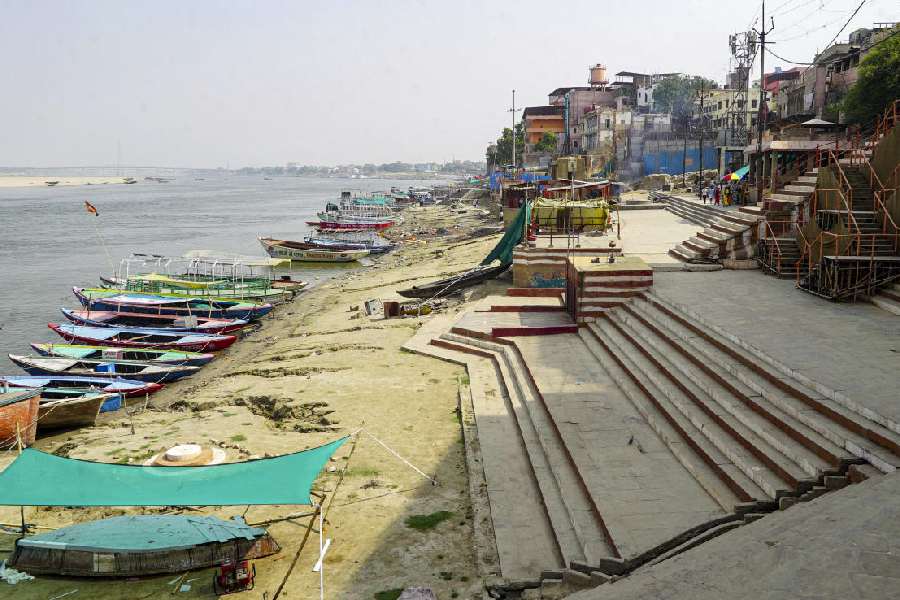
The sale of non-veg food was prohibited within a 5km radius of Har Ki Pauri, the sacred ghat along the Ganga, in 1916, following objections raised by Hindu religious leaders.
Giving in to the demands of sadhus, the local municipal authorities banned the sale and online delivery of non-veg food across Haridwar in February this year.
Taking it a notch higher, local sadhus accompanied by cops are now conducting raids on shops with banners having “veg-biryani” written on them.
“While the preparation is the same, we have changed the name on the banners from veg-biryani to veg-pulao,” a youth selling rice fried with soya chunks on a cart in the temple town told reporters on Sunday.
“The sadhus came here along with some policemen on Saturday and asked us to stop selling veg-biryani. They said they oppose it because it sounds like a Muslim name. They told us they have no problem with the word veg-pulao,” the shopkeeper said on the condition of anonymity.
Pandit Adheer Kaushik, head of Akhand Parashuram Akhara, said the shopkeepers had happily agreed to their demand. “We are not against anybody, but we want the religious identity of the place to remain intact,” he said.
“We were receiving complaints from some devotees that food sellers had put up posters of veg-biryani in their shops. As we are preparing for the Mahakumbh in 2027, we need to take these corrective steps,” he added.
Kartik Giri, another sadhu, said: “Biryani is not our terminology; pulao is ours. We removed banners and posters with ‘veg-biryani’ written on them within a radius of 6km of Har Ki Pauri. The shopkeepers supported us.”
The word biryani is derived from Persian words “birian”, which means “fried before cooking”, and “birinj”, which means rice. In Indian kitchens, biryani evolved based
on the style of cooking and the ingredients used. Meat, chicken, potato, soya chunks, eggs or curd were added to the dish to make it more flavourful.
Experts said it was originally called pulao, a word that also has a Persian lineage.
“Pulao was first mentioned in Persian literature in the 10th century. The Shias from Iran, who migrated to India in the 13th and 14th centuries, brought it with them. Biryani is the process of preparing the dish, but it is actually called pulao. Its character gradually changed because India has a variety of spices that were used to prepare dishes,” said Abu Bakr, a restaurateur in Lucknow.