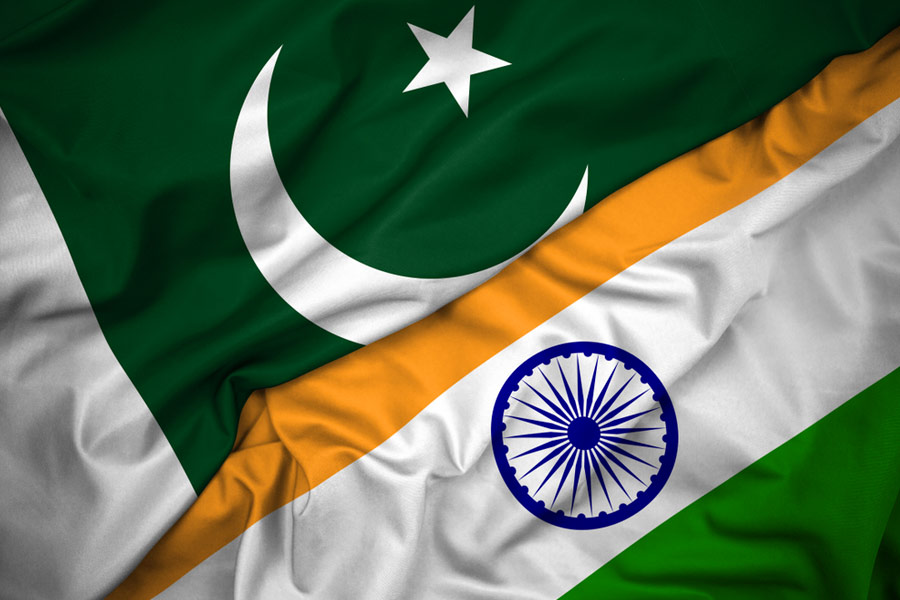
The recent comments by Dattatreya Hosabale, the general-secretary of the Rashtriya Swayamsevak Sangh, advocating for dialogue with Pakistan, have stirred a political firestorm. The Bharatiya Janata Party government under Prime Minister Narendra Modi may draw its ideological moorings from the RSS but it has consistently argued for several years now that terror and talks cannot go hand in hand. Mr Hosabale’s remarks go against the government’s official stance. Unsurprisingly, the Opposition has used Mr Hosabale’s statement to try and embarrass the government. Interestingly, the former army chief, M.M. Naravane, has backed the RSS leader’s view, arguing in favour of maintaining people-to-people ties with Pakistan. Pakistan’s foreign office, too, has welcomed Mr Hosabale’s perspective. It is unclear whether the RSS veteran’s words were just his and the RSS’s opinion, or whether they are part of a strategic plan by the government to try and build momentum for the resumption of limited diplomacy with Pakistan. The conjectures notwithstanding, the government must take the advice of
Mr Hosabale and Mr Naravane seriously. For they are correct.
To be clear, decades of Indian diplomacy with Pakistan have been littered with instances of betrayal, failed promises and ever-deepening distrust on account of Pakistan’s chicaneries. But those who point to these setbacks to argue that India should not bother with diplomacy with Pakistan misunderstand what is at stake. With structural rivalries, the aim of diplomacy is not some rose-tinted goal that sworn rivals and enemies will become best friends: it is to manage tensions and differences. That is what the United States of America and the Soviet Union did; that is what the US and China are now doing; and it is what India and Pakistan must do. Unless India retains enough channels of communication with its nuclear-armed neighbour, every crisis runs the risk of unintended miscalculations from one or both sides. Back-channel diplomacy and mechanisms of dialogue are critical for this reason.
Mr Modi’s government appears to understand this but domestic political compulsions — including a narrative that Mr Modi and the BJP profit from electorally — make it difficult to acknowledge this. In a world in churn, relatively stable neighbours — the outcome of sustained dialogue — would also be to New Delhi’s advantage. There is
thus a case for the Centre to take Mr Hosabale’s advice seriously.