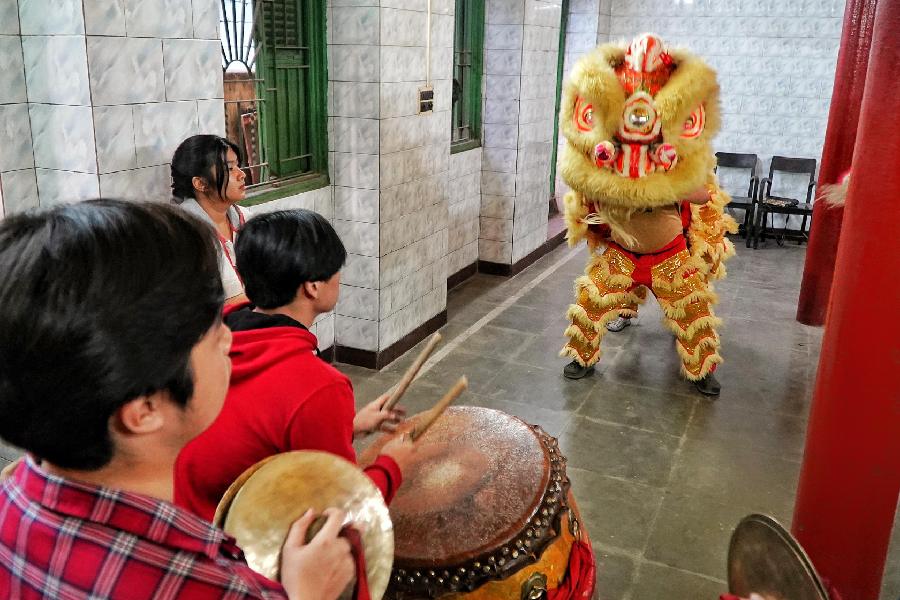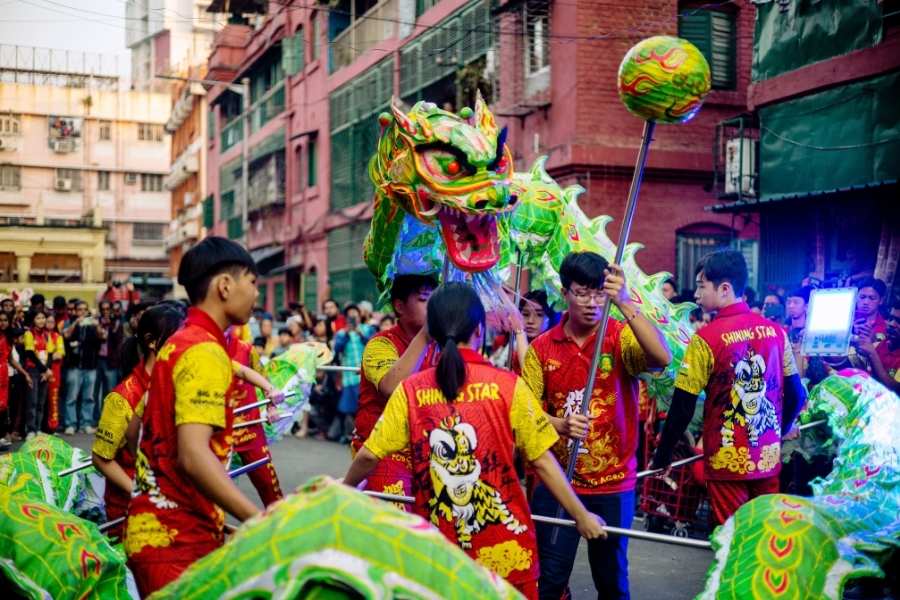
Chinese New Year in Kolkata is more than a date on the calendar. It is entwined with memory and migration that evokes a sense of belonging. For the city’s Chinese community, the festival brings together faith, food and family, whether celebrated in the bylanes of Tangra, the bustle of Tiretti Bazaar, or thousands of miles away. Four voices from the community reflect how traditions are kept alive, adapted and passed on.
Janice Lee, third-generation owner, Pou Chong KIM
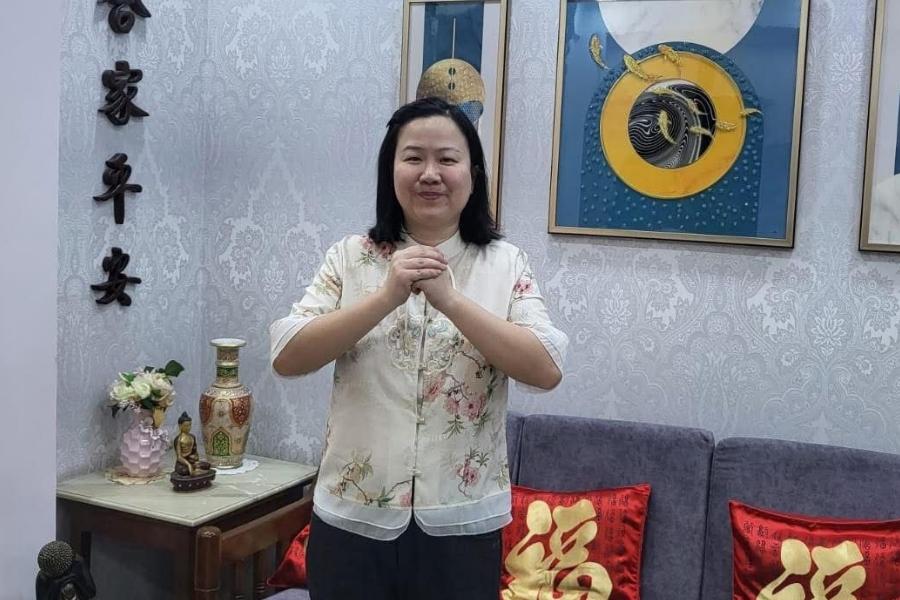
For Janice Lee, Chinese New Year is rooted in rituals that begin well before the day itself. “The celebration usually starts with a thorough spring cleaning of the home to clear out the old and make room for the new,” she said. Red lanterns and couplets are put up to “welcome good luck and ward off negative energy,” turning homes into spaces of hope and renewal.
Food, she explained, is non-negotiable and very symbolic. “We usually have a whole steamed fish and dumplings also. And noodles are a must because it signifies long life and prosperity,” Janice said. “Whole fish is the same word as surplus. Dumplings are shaped like a gold ingot, which is the symbol for gold in China.” She added that both steamed and pan-fried dumplings make it to the table, carrying forward an ancient symbol of wealth and abundance.
Over the years, the celebrations have moved beyond intimate family gatherings. “What used to be largely at home has expanded into larger community events,” she said, pointing to festivals in Tiretti Bazaar and Tangra that now see lion dances alongside food stalls. While families still cherish ancestral recipes, Janice notes a growing pride in the Calcutta Chinese identity, where traditional techniques meet local spices, creating something uniquely Kolkatan.
Katherine Lim, Hakka chef
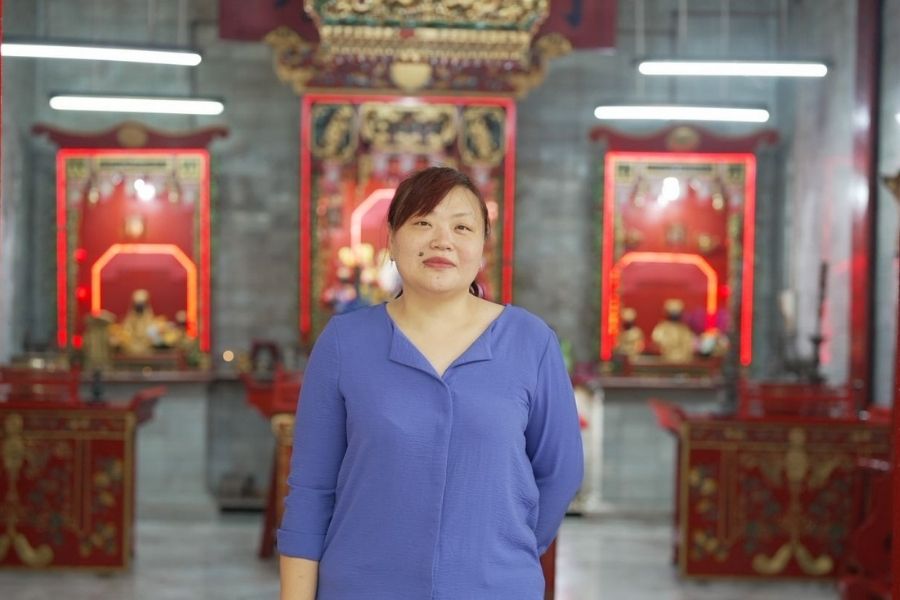
For Hakka chef Katherine Lim, Chinese New Year is about togetherness. “It’s the time families get together. Many who are abroad return to Kolkata to celebrate,” she said. The days are filled with meeting friends, eating out, enjoying lion dances and preparing festive food. “Like last year, my homemade lap cheong, prawn wafers and sesame cookies are being used by Taj Bengal for a Chinese New Year special menu, so a lot of time goes into making them.”
The reunion dinner on New Year’s Eve is deeply symbolic. “Whole steamed chicken signifies wholeness in the family, fish balls mean unity, and prawns and whole fish are a must,” she explained. Sesame cookies or Ma Fa and prawn crackers are kept ready for everyone to snack through the night.
The celebrations have grown quieter over time. “When my sons were in Kolkata, Chinese New Year meant staying up all night, lion dances, firecrackers and lots of fung pao,” she said. “Now that they’re studying in Canada, it’s more subdued. It’s more fun with kids in the house.”
Joanna Chang, content creator based in Canada

For Joanna Chang, a Hakka woman who spent 25 years in India before moving to Canada 10 years ago, Chinese New Year remains deeply emotional. “Chinese New Year is very very special for us Hakka people. We try our best to replicate what we have back home. But again it’s never the same,” she said. Distance and busy schedules have made celebrations quieter, but not less meaningful.
Recalling her time in Tangra, Joanna said, “In India, we live very close to one another and it was a five-day event. We would go to the Chinese supermarket, buy dry fruits, fruits, flowers and all the important stuff.” The days leading up to New Year were filled with excitement, lights and pre-celebrations that brought the neighbourhood together.
In Canada, the focus has shifted to intention and education. “We make sure that we celebrate not just because we want to, but to honour the fact that we are Chinese and also to educate my nieces,” she said. The day itself is busy, with prayers, red decorations and red packets for both children and elders. “All the food that we eat is very very significant,” Joanna added. “Noodles represent longevity, fish and seafood symbolise prosperity, vegetables symbolise wealth, and oranges with their golden colour mean good fortune and abundance.” Wherever she is, Chinese New Year remains a way of staying connected to culture, family and identity.
Kenneth Emmanuel Liao
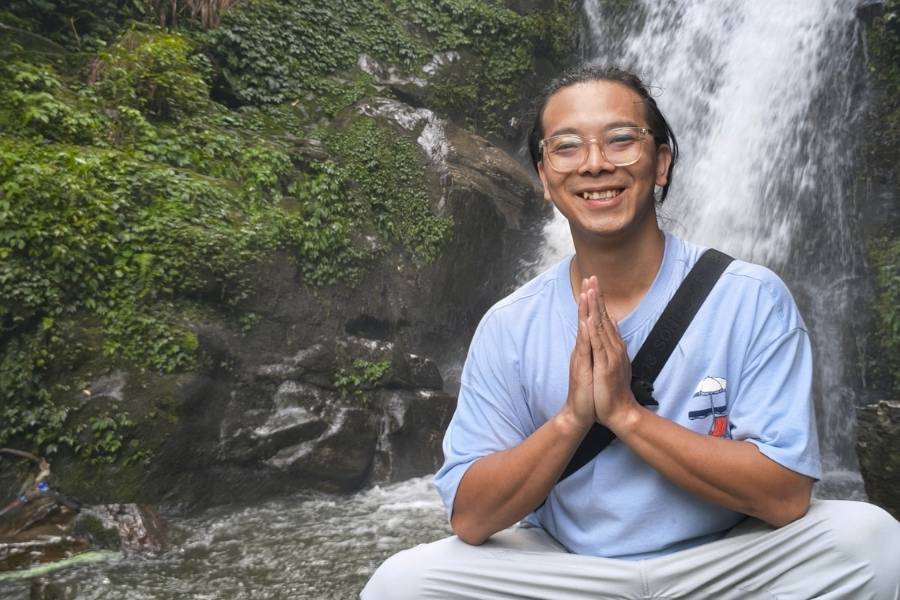
Kenneth Emmanuel Liao, 27, is a chef and operations manager at Tai Sen Chinese Eating House in central Kolkata.
“Chinese New year is usually celebrated by staying up late, and following a Chinese lion dance troupe through Tangra and Terreti Bazaar during the day.
Some days, we enjoy relishing homemade Indian food like mutton paya, mutton biryani, nihari, and on other days, we enjoy a delicious authentic Chinese meal such as moon fan (steamed rice), steamed chicken, and we definitely cannot forget the crispy roast pork.”
“Over the years, the number of Chinese has dwindled drastically. Considering the present count, and being part of the youth members of the Chinese community, I take a stand in encouraging the upcoming generations to build an opportunity for themselves, as I believe it is in oneself that one must make the biggest investment.”