
Breast cancer is not just a women’s disease. Men can get it too — and often discover it too late.
Breast cancer is the most common cancer among women globally, with an estimated 2.3 million new cases diagnosed every year, according to the World Health Organisation.
In India, it accounted for 13.5 per cent (178,361) of all cancer cases and 10.6 per cent (90,408) of all cancer-related deaths in 2020, according to Globocan data.
What is less widely known is that men can develop breast cancer too.
“Men certainly can get breast cancer, though it is comparatively rare. For every 100 women with breast cancer, there will be one man," said Rosina Ahmed, breast oncoplastic surgeon at Tata Medical Centre.
Male breast cancer accounts for roughly one per cent of all breast cancer cases, added Mukti Mukherjee, Kolkata-based consultant radiation oncologist.
Symptoms men should not ignore
The most common warning sign is the same in both men and women — a painless lump in the breast area.
However, Ahmed said male breast cancer is frequently diagnosed at a later stage.
"Many men are unaware that breast cancer is even a possibility. Also, because men have very little breast tissue, a lump can quickly spread beyond it and involve the skin or underlying muscle," she explained.
According to Mukherjee, symptoms may include:
- A painless lump or unusual heaviness in the breast tissue
- Skin changes such as redness, dimpling or scaling
- Nipple changes, including inversion
- Enlarged lymph nodes in the underarm
In advanced cases, symptoms may depend on where the cancer has spread. Bone metastasis can cause bone pain, while lung involvement may lead to breathing difficulties.
Who is at risk?
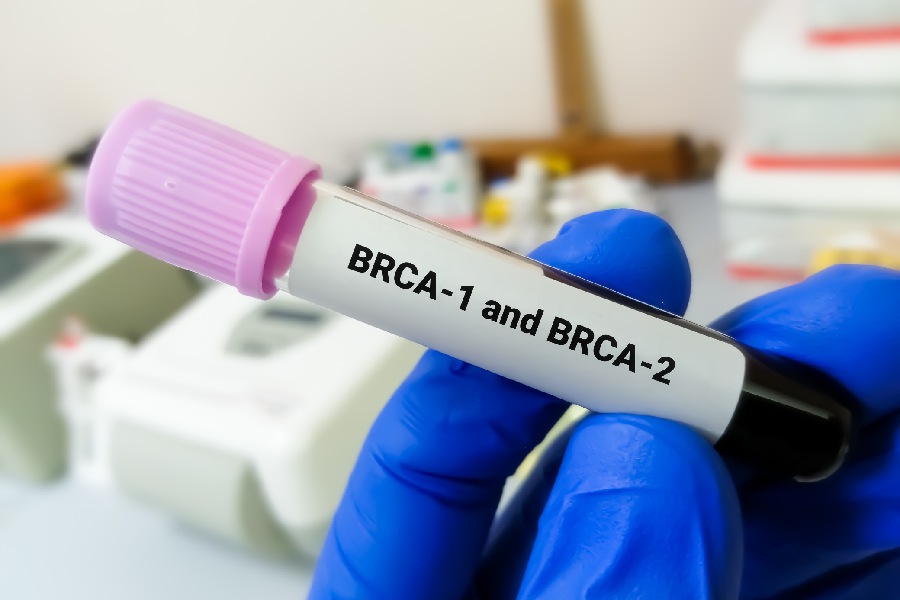
Genetics plays a major role, said Ahmed.
"BRCA1 and BRCA2 mutations are inherited equally by male and female children. Men who carry these genes have a higher risk of breast cancer, although many may never develop the disease because they have very little breast tissue," she said.
The same genetic mutations are also linked to an increased risk of prostate and pancreatic cancers, making awareness and screening important for affected families.
Mukherjee added that obesity, alcohol consumption, liver disease and a sedentary lifestyle can further increase the risk.
Diagnosis and treatment
Diagnosis follows the same process as in women and typically includes a clinical examination, imaging tests and a biopsy, said Mukherjee.
Ahmed noted that treatment guidelines are frequently based on studies conducted in women because male breast cancer is relatively uncommon.
Treatment depends on the stage of the disease. Surgery remains the primary treatment for localised cancer, while chemotherapy, radiation therapy and hormone therapy may be used depending on the extent of spread, said Mukherjee.
The biggest misconception
The biggest myth, according to Dr Ahmed, is that breast cancer is exclusively a women's disease.
In fact, when actor Richard Roundtree revealed his battle with breast cancer, many were surprised that men could develop the disease at all.
Ahmed emphasised that while male breast cancer is rare, families with a history of hereditary breast cancer should pay closer attention to genetic testing.
"More important than focussing solely on diagnosing breast cancer in men is identifying hereditary genetic factors in women with breast cancer and their relatives — both male and female," she said.
Since BRCA mutations are inherited, testing can help family members understand their risk and seek preventive care or early treatment if needed.