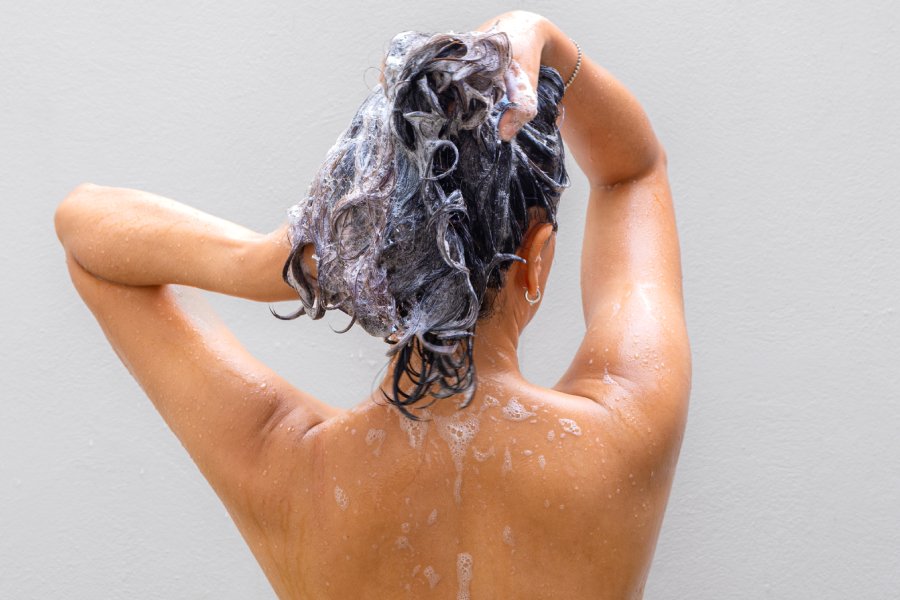
Washing your hair every day, but still struggling with frizz and dryness? The fault may not be in your stars or your shampoo — it may be your hair-care routine.
According to Arunima Ray, consultant dermatologist at Narayana RN Tagore Hospital, Indian hair is typically of medium to high porosity, meaning it loses moisture easily.
“Overwashing strips away natural oils, making hair drier and more prone to frizz,” she explained.
But washing less isn't always the answer either. If your scalp feels greasy despite shampooing regularly, you may be using products that do not match your hair and scalp needs.
Celebrity hairstylist Jolly Chanda says most people focus only on their hair type and ignore their scalp type.
“You can have an oily scalp with dry ends, or a dry scalp with oily ends. Using the same products throughout your hair may not work,” she said.
For oily scalps and dry ends, Chanda recommends an oil-controlling shampoo paired with a hydrating conditioner. The reverse combination works for dry scalps and oily ends.
“Remember, shampoo is for the scalp and conditioner is for the lengths and tips,” she added.
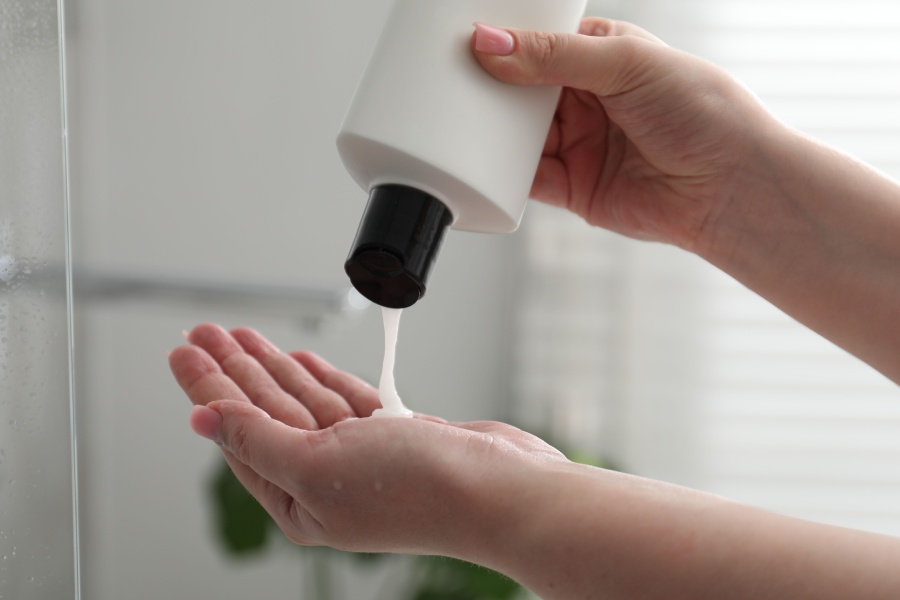
Shutterstock
For people dealing with persistent dryness, Ray suggests using a leave-in conditioner.
“A leave-in conditioner helps retain moisture without requiring an extra rinse, reducing overall water exposure and dryness,” she said.
Frequent washing is not necessarily harmful if done correctly. Those who travel extensively, work outdoors or are exposed to dust may need to shampoo daily, but should choose mild, sulphate-free and paraben-free cleansers, advised Chanda.
Dermatologist Shreya Poddar of AM Medical Centre says there is no universal rule.
However, a workable routine for different hair types may look something like:
- Oily scalp: Daily or alternate-day washing
- Normal scalp: Shampooing two to three times a week
- Dry scalp or very curly hair: Shampooing once or twice a week
- Heavy exercisers or those who sweat a lot: More frequent washing may be needed
Experts also warn against aggressive scrubbing.
“Don't dig your nails into your scalp as if your life depends on it,” said Chanda. “Massage gently with the pads of your fingers and, if you're shampooing daily, dilute the product with water first.”
Shutterstock
People with keratin, Botox or other smoothing treatments should avoid frequent washing, as it can shorten the life of the treatment. Using salon-recommended products can also help maintain the texture.
Poddar adds that weather and medical conditions matter too. Hot, humid conditions may require more frequent washing, while those with dandruff, psoriasis or seborrhoeic dermatitis should follow a dermatologist-recommended schedule.
The takeaway? There is no one-size-fits-all rule for how often a person should shampoo. Understanding your scalp, hair texture and lifestyle matters far more than blindly following a trend.