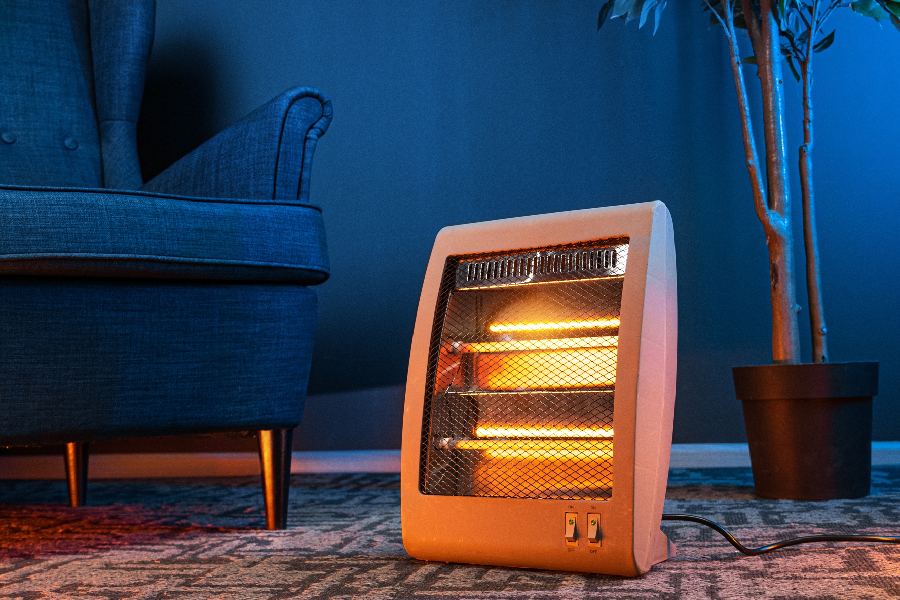
As the minimum temperature in Kolkata remains in the teens, room heaters have become an emergency and surprise buy in many households. From old north Kolkata homes to high-rise apartments in the eastern suburbs, residents are turning to heaters for quick relief from the cold.
With affordable models now available on quick commerce platforms such as Instamart and Blinkit for Rs 1,000, access has become easier than ever. Doctors, however, warn that careless use can lead to a range of health and safety problems.
“With temperatures low in Kolkata, the use of room heaters has increased significantly, but residents must use them wisely to avoid health and safety risks,” said Dibyendu Mukherjee, consultant, Internal Medicine at Fortis Hospital Anandapur.
According to him, one of the most common issues linked to heater use is excessive dryness in the air. Heated indoor air reduces moisture, leading to irritation of the skin, eyes, throat and nasal passages. Children, elderly people and those with asthma or allergies are particularly vulnerable.
Prolonged exposure to dry air can worsen cough, sinus congestion and breathing discomfort. Doctors advise simple measures to counter this effect. Keeping a bowl of water in the room or using a humidifier can help restore moisture levels. Drinking enough fluids is equally important, as dehydration often goes unnoticed during winter.

One of the most common issues linked to heater use is excessive dryness in the air
Ventilation is another crucial factor that many overlook. Rooms should never be completely sealed when a heater is in use. Fresh air circulation helps prevent headaches, dizziness and a feeling of suffocation that some people experience after long hours in a closed, heated room.
Heaters should also be switched off while sleeping, especially in small or poorly ventilated spaces.
“With several types of heaters available in Kolkata, including halogen and blower models, people must be extremely careful about how and where they use them,” said Dibyajyoti Mitra, head of maintenance at Woodlands.
He also advises to keep the heater at least three feet away from beds and resting areas and never on a loose table or near carpets, curtains or floor mats.
“It should be used only for a short while to warm the room and switched off before sleeping, as prolonged use can overheat the element and increase the risk of accidents, especially for the elderly,” he explained.
“Heaters may give you initial relief, but they do have side effects if used carelessly,” Mukherjee said.
Used sensibly, however, they can provide comfort without compromising health. In a city where winter is brief but biting, small precautions can ensure warmth without unintended consequences.