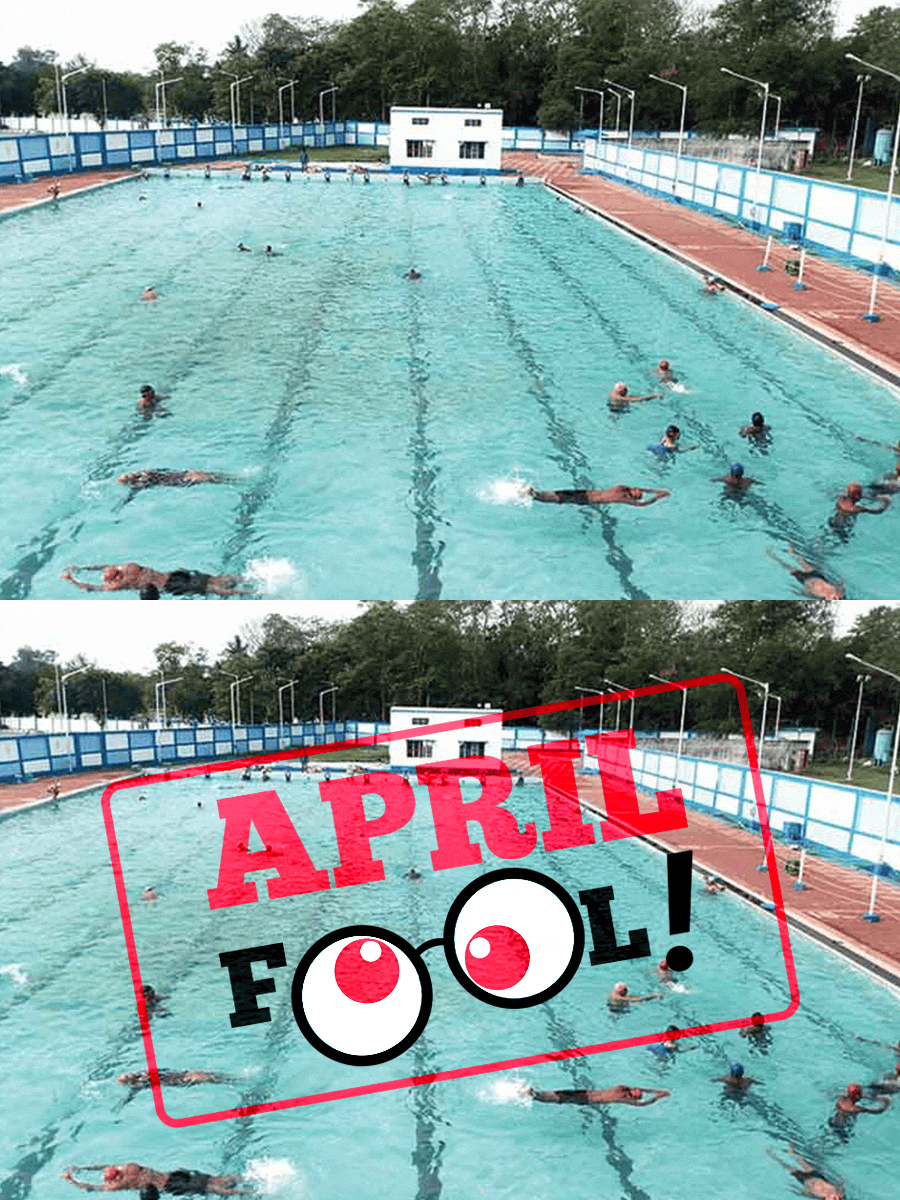
Kolkata’s swimming pools are on the verge of shutting down just as temperatures begin to climb, with operators blaming an unusual global shortage of water-treatment chemicals allegedly linked to disruptions from the ongoing Iran conflict.
From the iconic clubs of south Kolkata to modest neighbourhood facilities, pool managers say they are struggling to source essential disinfectants — particularly chlorine-based compounds that keep water safe from bacteria and algae. Without these, experts warn, pools can quickly become unsafe for public use.
It is reliably learnt that in one pool in a historic club in the city, at least three people came out of the water with their skin colour changed, thanks to the missing chemicals; thankfully it was temporary.
The science is straightforward. Most pools rely on chlorine, which reacts with water to form hypochlorous acid — the key germ-killing agent that eliminates microbes. But supply chains for such chemicals are now under strain, with rising shipping costs and delays affecting global availability.
What has baffled many in the city, however, is the sudden disappearance of several lesser-known compounds that local suppliers insist are “absolutely critical.”
“We’ve completely run out of phoolsdayum chlorate,” said one pool technician, peering gravely into a testing kit.
Another supplier claimed stocks of fatuus maximus stabiliser — described as a “premium-grade, ultra-serious chemical” — had been delayed indefinitely somewhere in the Persian Gulf.
At a north Kolkata club, a notice informed members that operations were suspended due to the unavailability of prankium hydroxide.
“We tried substituting it with standard calcium hypochlorite,” admitted a caretaker, “but the water lost its… festive character.”
Industry insiders are also tracking the vanishing supply of gigglonitrate solution and sillycon peroxide, both apparently essential to maintaining “balanced pool vibes.”
One distributor warned that even if shipments resume, prices could double due to what he called “extreme geopolitical seriousness.”
Regular swimmers are disappointed. “I just wanted to do laps,” said a Ballygunge resident. “Now I’m being told the pool lacks something called jokium sulphate. I don’t even know what that is.”
Public health officials, meanwhile, have urged caution. “Pools must maintain proper chemical balance,” one official said, “even if the names of those chemicals sound… unusual.”
Despite the confusion, some remain optimistic. A senior club member suggested the crisis might resolve itself soon. “These compounds have a way of reappearing,” he said. “Often around the first of April.”
Until then, Kolkata’s swimmers may have to stay dry — or at least, keep an eye out for suspicious compounds in the water.