Historic Amnesia is as common as common cold during seasonal changes. On top of that, if the people in power deliberately want the common people to forget or remember their historic figures in a different light, history inevitably changes.
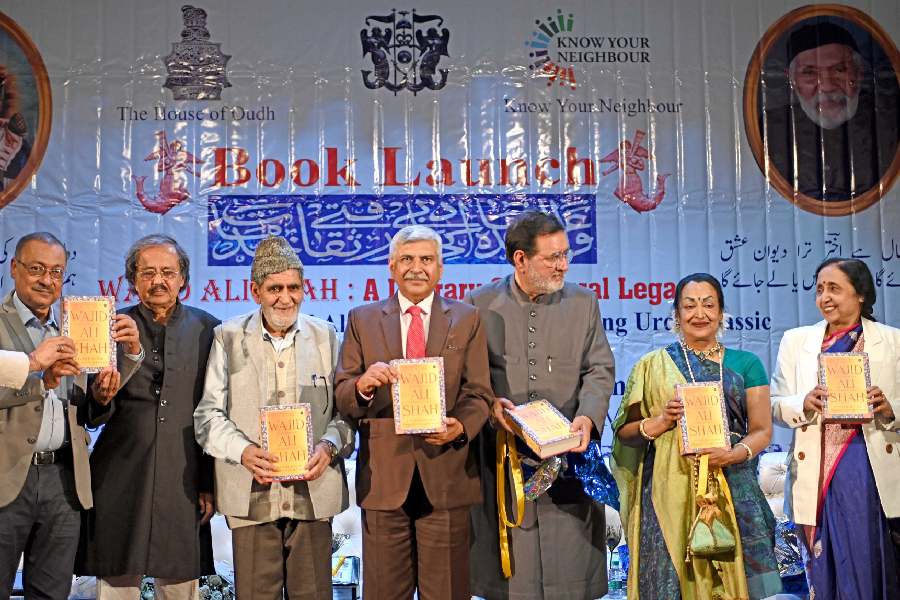
Know Your Neighbour, and the House of Oudh, jointly hosted the book launch of Wajid Ali Shah: A Literary and Cultural Legacy, a classic work of Dr Kaukub Qudr Sajjad Ali Meerza. The book has been translated by his daughter Dr Talat Fatima. Published by Hachette, the book, in excruciating details, tries to debunk the character malign, and exemplify the real life of Wajid Ali Shah, the last Nawab of Awadh.
British historians distorted the history of the nawab and portrayed him ‘unfit to rule’. It was done so he would abdicate his throne. Setting this narrative straight is the subject of this book. The book launch was hosted at ICCR, Kolkata, on February 15 at The Satyajit Ray Auditorium.
Present at the launch were professor Mohammad Zaman Azurdah, chief guest, Sudipto Mitra, CEO of Pearless Hospital and an essayist on wild game hunting, Sunil Mishra, ex-executive director of the Indian Industries Association and Lucknow history archivist, Rupa Chakraborty, philanthropist for art and culture, and Shakeel Hasan Shamsi, great great son-in-law of Wajid Ali Shah. Also present were family members of the House of Oudh, including Manzilat Fatima, Irfan Ali Meerza, and Kamran Ali Meerza, among others.
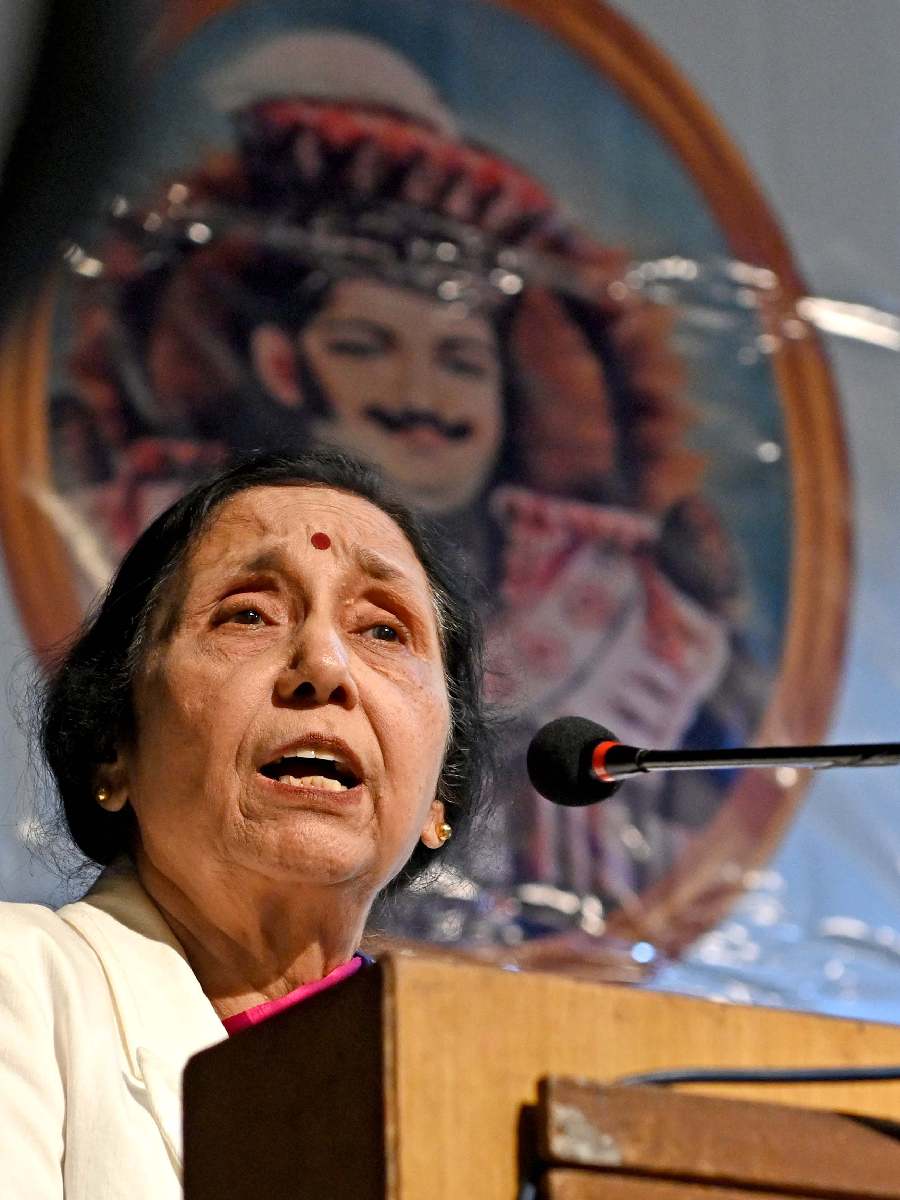
Talat Fatima, the translator of the ‘Wajid Ali Shah: A Literary and Cultural Legacy’
The translator, Talat Fatima, described the seven-year journey to translate the book from Urdu to English as a road laden with hurdles.
“The book is not about how many wives Wajid Ali Shah had, or how many children he had. It is about the Nawab of Lucknow, plucked away by the British imperialists, and how Lucknow never really recovered from the scars. This book does justice to the legacy of the poet king. It is a meticulously researched book, which took my father 38 months to finish. From letters, to poems, essays, and literary works, the book records the Nawab in Lucknow, and Kolkata, where he spent the last decades of his life,” said Fatima.
“The original text was not just in Urdu. Farsi, Hindi, Punjabi, Arabic, and Braj Bhasha were interlaced into it. I had to consult Persian scholars to decipher passages. Many times I had given up on translating, confessing to my siblings it would not be possible for me. But they were relentless. Especially Manzilat, she would not let me give up. I have completed the book, but I do not know if I have done justice to it. I have tried my best,” added Fatima.
The evening was filled with music by Batayanik, directed by Samar Sarkar, Urdu poetry recitations, and talks on translation as well.
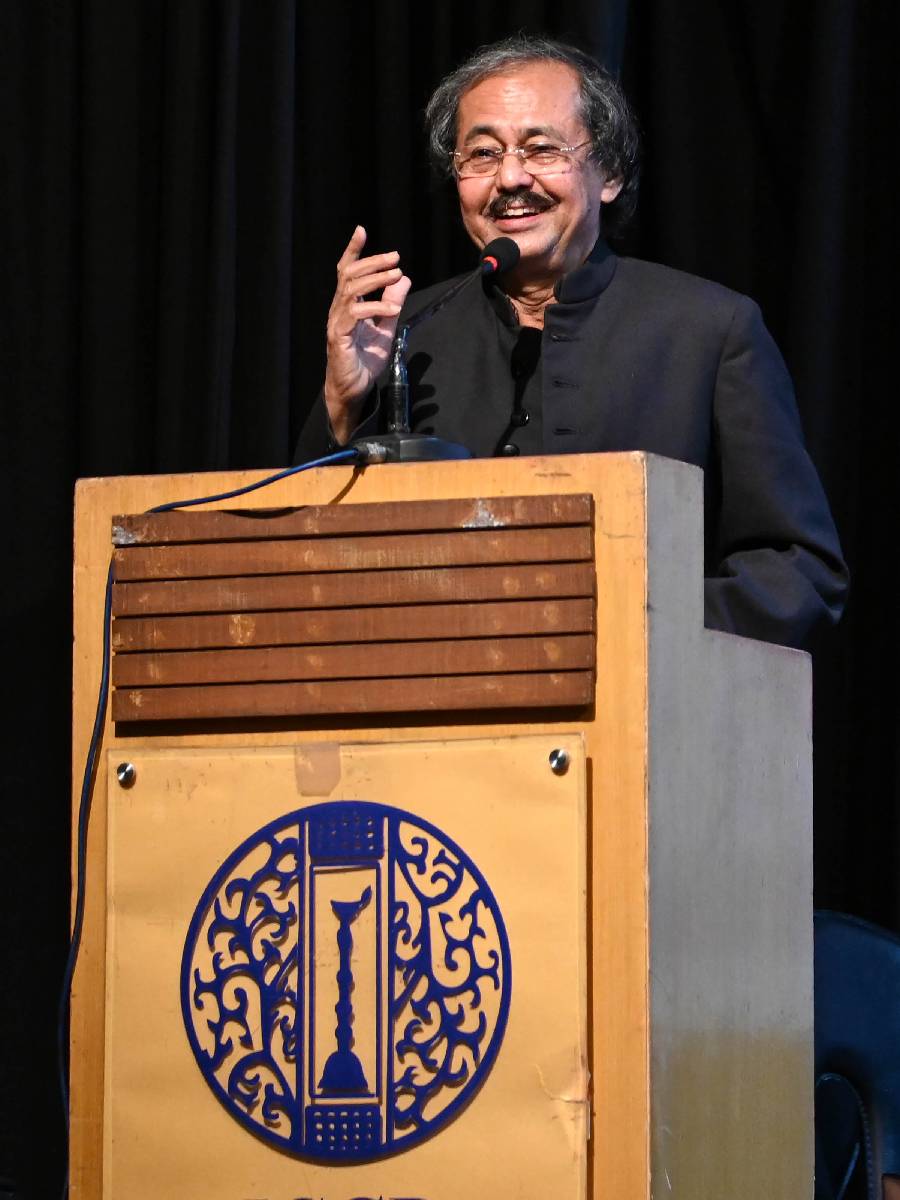
Irfan Ali Meerza, eldest son of Kaukak Quder, and great great grandson of Wajid Ali Shah
Irfan Ali Meerza, eldest son of Dr Kaukub Qudr, explained why the need for English translation came up for the book.
“English is a global language. It has become so because of colonial conquest. When the British dethroned Wajid Ali Shah from Lucknow in 1856, they not only destroyed the cultural hub that Lucknow was, they essentially disabled Urdu language practices. Thus today, sadly, Urdu is not read by a large audience. English is the crutch on which post-colonial countries walk on for their cultural context,” added Irfan Ali.
Dr Kaukub Qudr died in 2020, due to COVID complications. He had worked with stalwarts like Satyajit Ray for his film Shatranj Ke Khiladi.