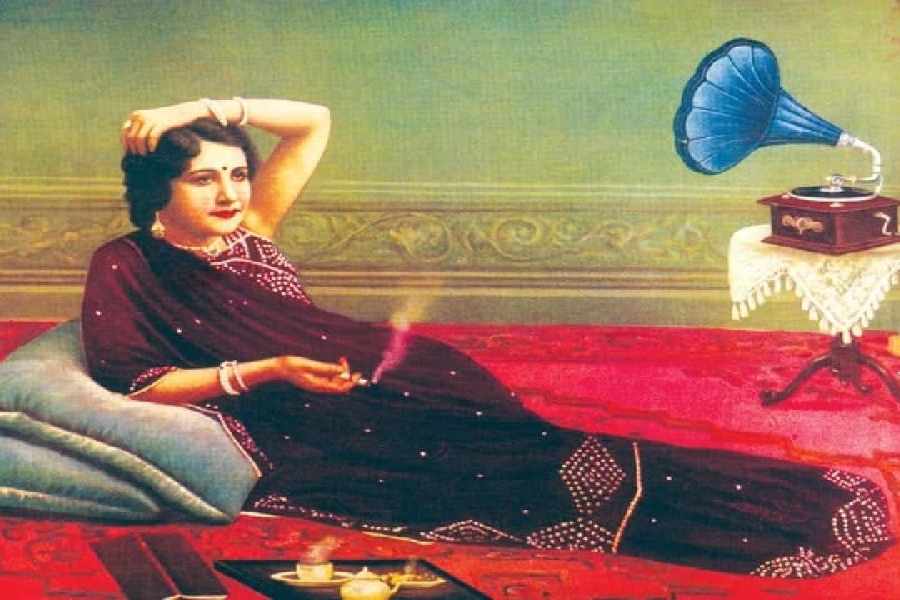
Nobody lit a cigarette just to smoke one; it was all about taking a moment to think, says Sohini Gooptu, a former advertising professional with Clarion and Bates. She is talking about the golden era of cigarette ad campaigns, from the late 1960s to the end of the last century, well before the Cigarettes and Other Tobacco Products Act (Cotpa) of 2003.
Those days, statutory warnings on packs were neither graphic nor pictorial, and ad firms poured all their creative genius into cigarette campaigns. The popular taglines were Made For Each Other, Live Life Kingsize, The Spirit Of Freedom, The Taste That Wins and The Choice of Millions.
Everyone The Telegraph interviewed seemed to agree that the smokers were typecast by the brand they smoked. And the types were fashioned in ad agencies. Shib Nath Sen, who worked for J. Walter Thompson in the 1980s, says, “It’s not that Wills was the most expensive cigarette out there but somehow a Wills smoker was considered smart and intellectual.” All of this, a long way from 1911 when the cigarette made its grand entrance in India on elephant back. At the Delhi Durbar that year, the Imperial Tobacco Company set up stalls to promote Scissors. The elephant motif was on the promotional material. Its tagline: “For Men of Action, Satisfaction”.
The unverifiable tale is that when Scissors launched in Bengal, its tagline — Khete Khai, Sholo Anna Tripti Chai — was composed by poet Subhas Mukhopadhyay. As stories go, there is one about novelist Bibhutibhushan Bandopadhyay too; that he would switch off the fan while smoking so that his cigarette would not burn out too fast.
The Charminar smoker had a different identity. Sen adds, “Unkempt beard, cotton kurta, jhola. But so what? He was educated, had read Russian literature and could quote Che Guevara.” According to the adman, one could place a pack on an MD’s table during a meeting or an interview and come away having made a handsome impression. The Charms smoker was the Charminar man’s younger brother, jeans-clad, college-going, carefree.
Those days, the corporate type’s first choice was Bristol, while the lone adventurers took to Benson & Hedges, and Derby fans had their Classic. Sen says, “Bristol used to be associated with success at work.” And then once you got that promotion and moved further up the social ladder, there was a pack of Classic waiting for you.
Gooptu, who worked on campaigns for State Express 555, says, “It was a brand from China with a strong flavour and cut a masculine figure. But because screen villains were seen smoking it, it came to acquire some social stigma.”
Inveterate smoker Satyajit Ray was always seen with his pipe, but those close to him say he had a tin of State Express 555 around. Ray’s sleuth Feluda, however, is a Charminar guy. In Sonar Kella, Feluda, played by Soumitra Chatterjee, lets his Charminar burn down to a single unbroken column of ash as he intently listens to a client.
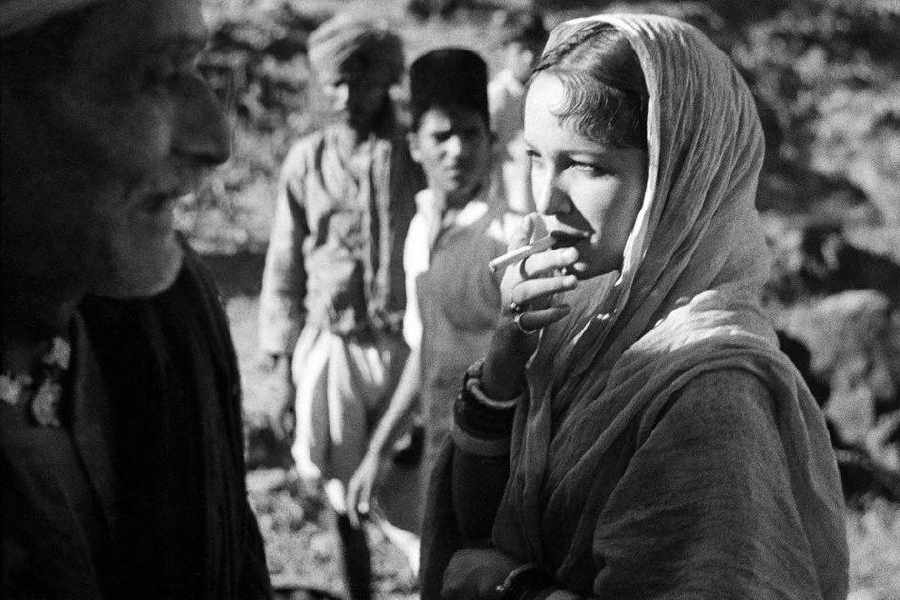
Devika Rani on the sets of Izzat (1937)
In comparison, the government campaigns with their health concerns were stark, even prosaic. In 1980, artist and photographer Dibyendu Chaki recalls working on an awareness campaign for World Health Day. The slogan was, recalls the nonagenarian, “Ki chan? Dhumpan na swastho? Apni bechhe nin... What do you want? A smoke or good health? Your pick.” By way of visual, there was a profile shot of Chaki himself, smoking a cigarette.
Be it campaigns, staid or scintillating, or urban legends about smokers and anecdotes, women remained absent. Sen says, “Indian society was not ready to accept woman smokers, according to research findings of the time. The Wills campaign featured a
couple, but only the man was shown smoking.”
Gooptu, however, will tell you that the real world was different. “Some offices had more women smokers, a lot of Gold Flake loyalists,” she says with a laugh. Well, there are filters and there are filters.