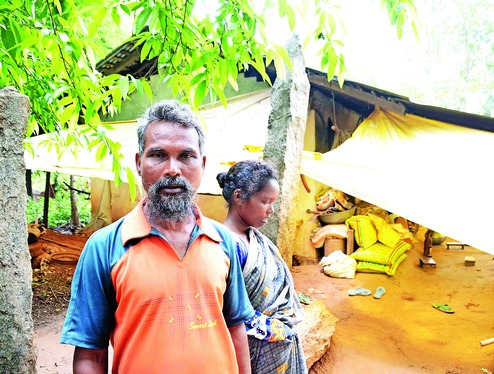


Khunti: Kajru Munda, his wife and their 12-year-old son are the only ones who have stayed behind at Ghaghra, ever since police overran the Khunti village, some 6km from the district headquarters, after Tuesday's pathalgadi clashes.
"Why should we run away when we haven't done anything wrong," Kajru said on Friday when asked about the reasons for staying back at Ghaghra, where apart from around two dozen policemen no one was left. "We didn't run away when we were boycotted by the village in 1998, so why run now?" he added, but admitted he was unsure of their future when the others returned.
Kajru (45) and wife Sitti, both followers of the Birsa faith and hence vegetarians, have been facing a boycott of the gram sabha that believes they had informed police about an alleged murder in the village in 1998. But the couple denies the allegations.
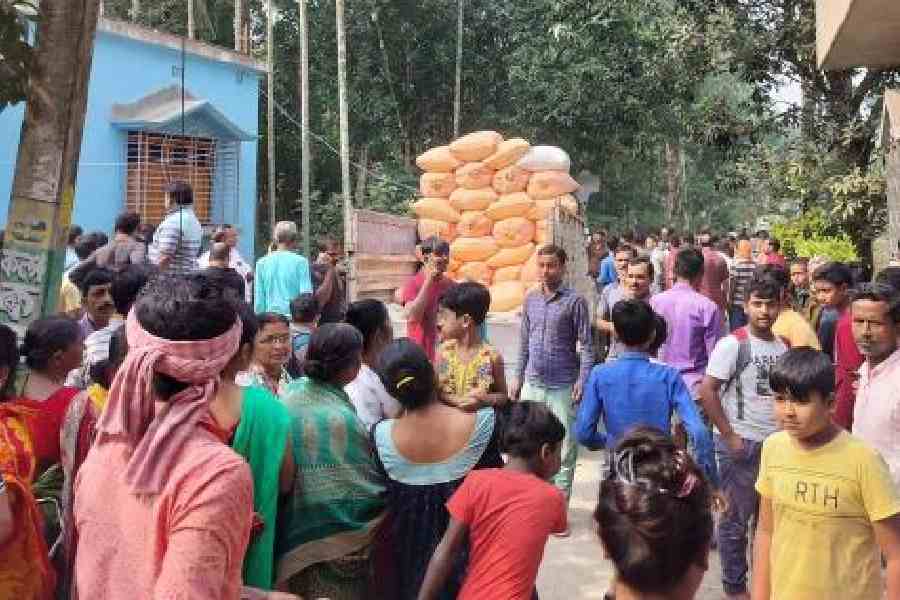
Four anti-landmine vehicles at the entrance of Ghaghra stand testimony to the events of the last few days. On Tuesday, clashes broke out after police stepped in to thwart the installation of self-rule plaques in the name of pathalgadi by tribals. Police claim there were over 5,000 in attendance that day.
The subsequent violence pushed police in a corner after which a group of 100 women took three police jawans hostage while they were on duty at Khunti MP Karia Munda's residence at Anigarha in Bandariya panchayat around 3km away.
The next day, over 500 policemen launched a crackdown at Ghaghra village. One person was killed in a stampede that followed the police action.
On Friday morning, after a search operation across two dozen villages for almost 72 hours, the jawans were traced. They were four of them and not three as the police had been claiming.
"It's good that the jawans have been finally traced. After all they are someone's son and husband, with families of their own," remarked Kajru, who is a small time farmer.
Located deep inside a forest, Ghaghra village has around 100 houses. There was an eerie silence all around. Except for stray cattle, not a soul was on the road that wound its way into the village from the chowk where a pathalgadi plaque was erected.
Except for Kajru's family, everyone else had left in fear of the police. "I don't know when they will return. But when they do, they may once again vent their ire on us," said Sitti while washing utensils in front of a hut. "I worry for our son," she sighed.
The reason behind her fear is that many policemen, who were searching the village, used their hut as a stopover, for rest and a drink of water. "We offered them water food because that is part of our tribal culture. Whoever comes to our house is always treated with respect. But the others may not like what we did, especially now that people are always suspicious," she said, adding that they did not join the pathalgadi protests.
"We never take part in such sabhas. No one talks to us in the village. No one takes part in our functions. We are never invited too. So, when the pathalgadi gram sabha was on, we didn't go," she said, adding that earlier, she used to run an anganwadi centre in the village. But it was closed after families stopped sending their children.