

If you are an avid birder, pack your binoculars and cameras, and make a dash for the red belt of Bokaro.
Though late by almost a month, migratory flocks have found their perfect perch at Tenughat Dam, Nawadih, Chandrapura and Upar Ghat, all virgin by the dubious virtue of being Maoist-hit pockets of the district.
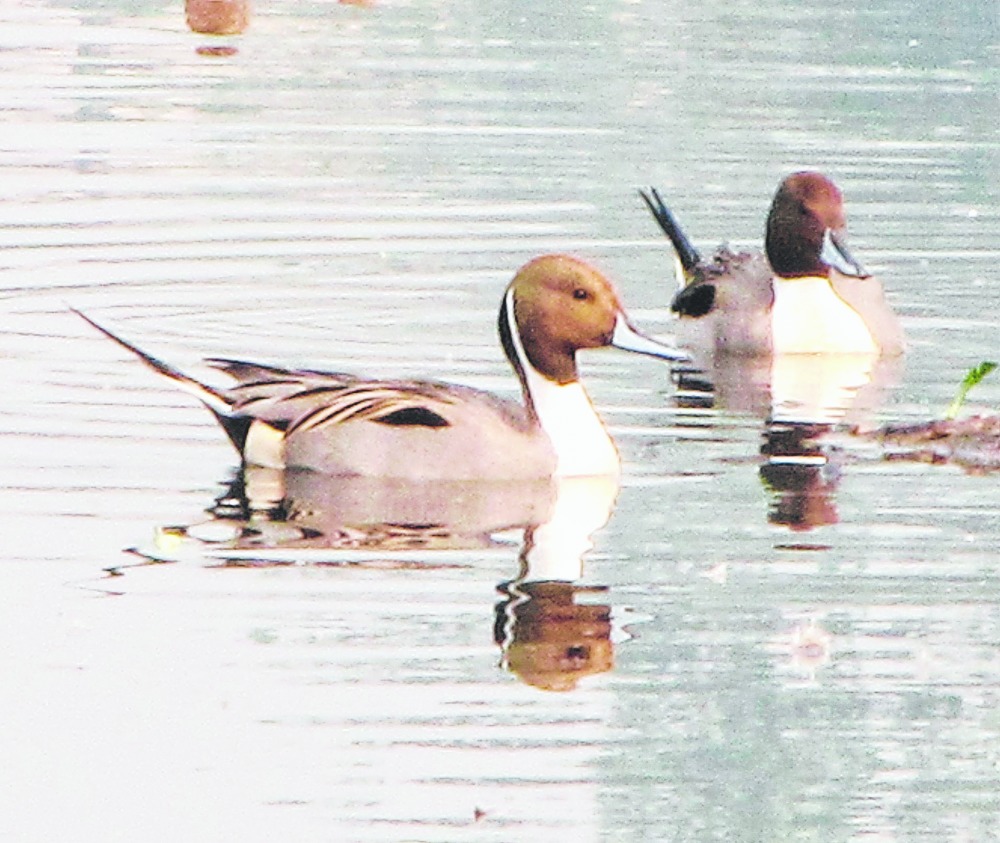
According to Bokaro DFO Vijay Kumar Singh, the star attractions are starling, ruff, black-winged stilt, common teal, common greenshank, white-and-yellow wagtail, bar-headed goose, northern pintail, common coot, mallard, pygmy goose, red-crested pochard and comb duck, many of them sighted in the forests and reservoirs of the district after a gap of several years.
"This is a treat season for birdwatchers. The winged visitors can be seen everywhere: hunting for fish, munching on insects or just taking a dip in the cold waters. Besides Tenughat Dam, Jamunia Dam, Agaiyagadha pond, Hathia Pathar Dham in Pichri and Nawadih-Gomia forests are chirping happily this winter," Singh told The Telegraph on Wednesday, recalling that the feathered friends had given Bokaro the miss for the past two years.
Until a decade ago, thousands of holidaymakers and birders from Bengal, Odisha and Uttar Pradesh flocked to Bermo subdivision of Bokaro and Maithan Dam in Dhanbad to watch migratory birds, but then there was a long lull. "The birds are back in large numbers, which is a good sign. We are rejoicing," Singh said.
Despite the shadow of rebel guns and a minimum temperature of 7°C, birders and picnickers are coming in droves.
DVC engineer R.S. Mukherjee, posted at Bokaro Thermal, his wife and their two children were among bird enthusiasts at Tenughat Dam on Sunday. "It was a family picnic, but good we had our binoculars handy. We spotted birds everywhere. I could identify the Brahminy duck and common teals. There were storks too. What a feast!" Mukherjee told The Telegraph on Wednesday.
DFO Singh said normally the birds start arriving in Jharkhand from November and by mid-December, it's a visual treat at lakes and reservoirs. "Weather and pollution are important factors in making these migratory flocks feel invited. Rising air and water pollution levels, along with Celsius fluctuations, perhaps kept the birds away for so long," he said.
Dr S.K. Prasad, a professor of botany by profession but a birder at leisure, advised foresters to ensure that no harm came to the exotic creatures who had travelled thousands of miles to be in Bokaro for food and warmth, and escape the harsh weather of their mountainous abodes up north.
"The birds migrate from colder climes of Europe, the Himalayas, China, Leh and Ladakh to survive. But here they are often hunted by local people. This must be stopped without delay. Also, the forest authorities can consider creating more water bodies to draw the winged guests every winter," Prasad said.