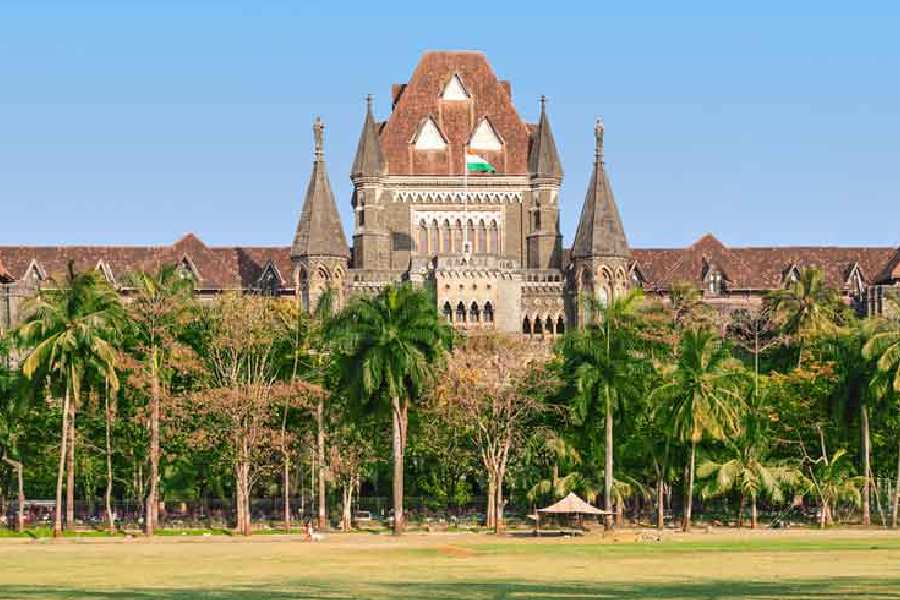
The Bombay High Court on Thursday observed that protesting against the Indian state’s decisions and raising anti-government slogans cannot be a valid ground for expulsion of citizens from an area, while dismissing an externment order issued by the Mumbai police against Socialist Democratic Party of India leader Saeed Ahmad Abdul Wahid Chaudhary.
Justice Madhav Jamdar criticised the police's “mala fide” decision to extern Saeed, a former Lok Sabha candidate, from Mumbai and adjoining areas for a period of one year last October, several legal news websites reported.
The SDPI’s Maharashtra state general secretary has been actively involved in organising protests against the government on several issues, including the CAA-NRC, Babri Masjid demolition and the Gyanvapi Masjid row, Waqf board corruption and rise in fuel prices.
“The petitioner has just raised slogans like 'BJP Government Murdabad', 'Amit Shah Murdabad'... Why citizens can't raise such slogans? Why externment orders for such slogans?" Justice Jamdar asked, seeking clarification from the deputy commissioner of Mumbai police. He also referred to the paper leak protests happening across the country, according to legal news websites.
The judge also noted that police officers are accountable to the public, not to ministers. Stressing that citizens have the right to protest and oppose government decisions, he said the police cannot issue externment orders to drive people out of their own city simply for participating in protests or raising slogans.
Externment is a preventive legal measure that bars a person from entering a specific geographic area for a set period. It is used by authorities to preserve public safety and disrupt criminal networks before new offences occur.
Saeed, a Chembur resident and political activist, moved the Bombay High Court after being externed from Mumbai for a year under the Maharashtra Police Act over multiple cases linked to protests between 2019 and 2024. He argued that the FIRs, largely for alleged violations of prohibitory orders during demonstrations on public issues, did not justify such action.
Contending that the order effectively prevented him from carrying out political activities, including during the civic election period, he alleged the authorities had misused preventive powers to suppress legitimate dissent. The high court accepted his challenge, holding that the externment powers had been wrongly invoked and quashing both the original order and the appellate authority's decision.