|
 |
 |
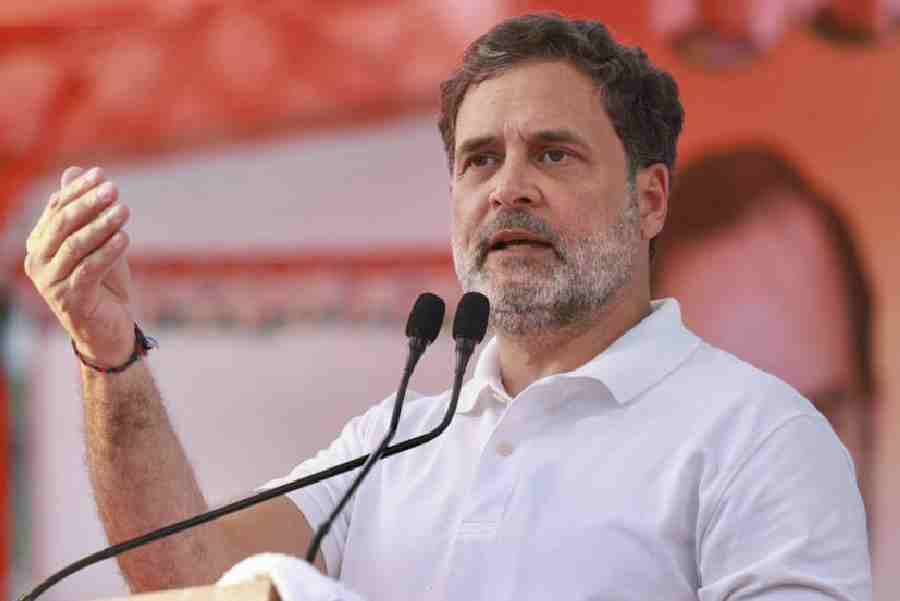
| (From top) Mander, Swaminathan and Gadgil |
New Delhi, June 29: Three members with strong views on the food security bill and mining have been dropped from the Sonia Gandhi-headed National Advisory Council and two new faces have been brought in.
Harsh Mander, M.S. Swaminathan and Madhav Gadgil have gone out while Mihir Shah and Ashish Mondal have come on board in changes announced through a notification by the Prime Minister’s Office last night.
The 14-member council’s term had ended on May 31, but members are almost always renominated. The exception is when a person asks to opt out, as Jean Dreze did last year.
Council sources said Mander, who had Sonia’s ears and had advised her to flag the food bill in the Congress’s 2009 manifesto, had refused to consider changes in the council’s draft of the bill that the government wanted.
The Congress and the Centre are keen on tabling the bill — showcased as UPA II’s trophy social initiative — in Parliament this year because after it is tabled, it will have to go through a standing committee and endless debates before fructifying into a law. The party would like to go into the 2014 elections armed with the law.
In a recent article in a daily, Mander — a former bureaucrat who quit over the 2002 Gujarat violence and joined an NGO — said the government’s bill added “nothing whatsoever to impoverished people’s rights…in fact, it actually reduces these entitlements”. He said it promises “much less” than what was guaranteed to the poor under the public distribution system.
Mander was the convener of the sub-groups on food security, and land acquisition and resettlement and rehabilitation bills, as well as of a legislation on Dalit issues and social protection.
“He feared he would be seen as having been co-opted by the establishment if he gave in to official pressure,” a source close to Mander said.
Swaminathan, agricultural scientist and nominated Rajya Sabha MP, was also critical of the food bill without being trenchant. In a recent interview to another daily, he said the bill called for “selective PDS (public distribution system)” whereas in letter and intent, the proposed act was the “largest social protection from hunger anywhere in the world” and should, therefore, have universal PDS as in Tamil Nadu and Kerala.
Swaminathan, based in Chennai, couldn’t be reached for comment.
Gadgil, a Pune-based ecologist, had advocated a people-centred underpinning to the policies on mining and ecology. His view was that local communities should be taken on board before a development or infrastructure project comes up in an environmentally sensitive place.
“My standpoint on ecology and mining were well known before I was inducted in the NAC. I don’t know why I was dropped,” said Gadgil.
He headed an expert panel of the Western Ghats ecology set up by the environment ministry. The committee recommended a ban on mining in the Goa portion of the ghats that also covers parts of Kerala, Maharashtra, Tamil Nadu and Karnataka.
It also proposed shutting down mines extracting ore beyond limits set by environmental clearance (as in Bellary) and cancelling mining leases in the catchment area of dams used for drinking water.
Gadgil said in a recent interview that his efforts to reach environment minister Jayanthi Natarajan failed after the report was handed over.
Of the new entrants, Mihir Shah, a Planning Commission member, is the co-founder of Samaj Pragati Sahayog, which works for water and livelihood security. He was also adviser to the Supreme Court-appointed committee in the Right to Food case from 2002 to 2009.
Ashish Mondal, based in Bhopal, heads the Action for Social Development, an NGO working to ensure livelihood for three million poor people in Madhya Pradesh and Bihar.