Sunday, 05 July 2026
Sunday, 05 July 2026
Sunday, 05 July 2026
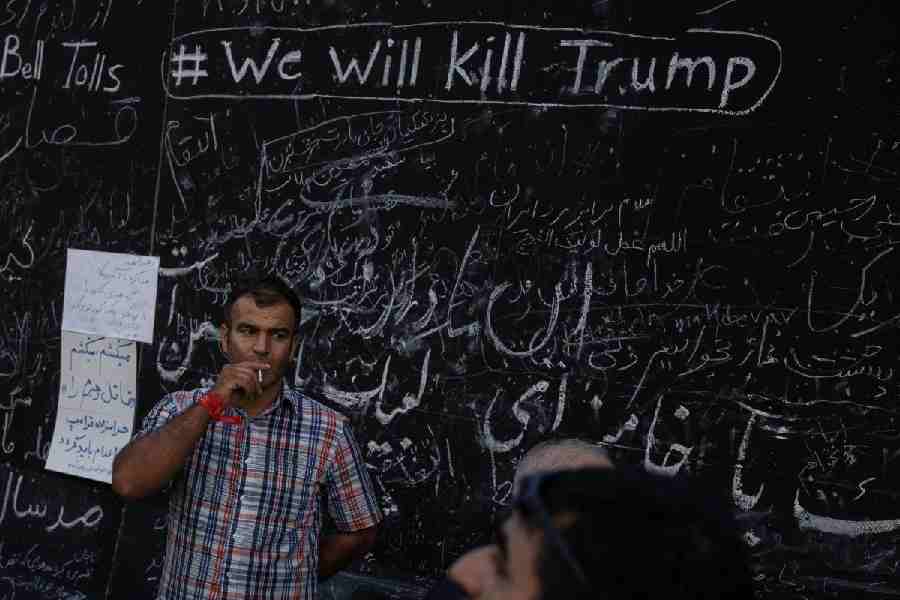
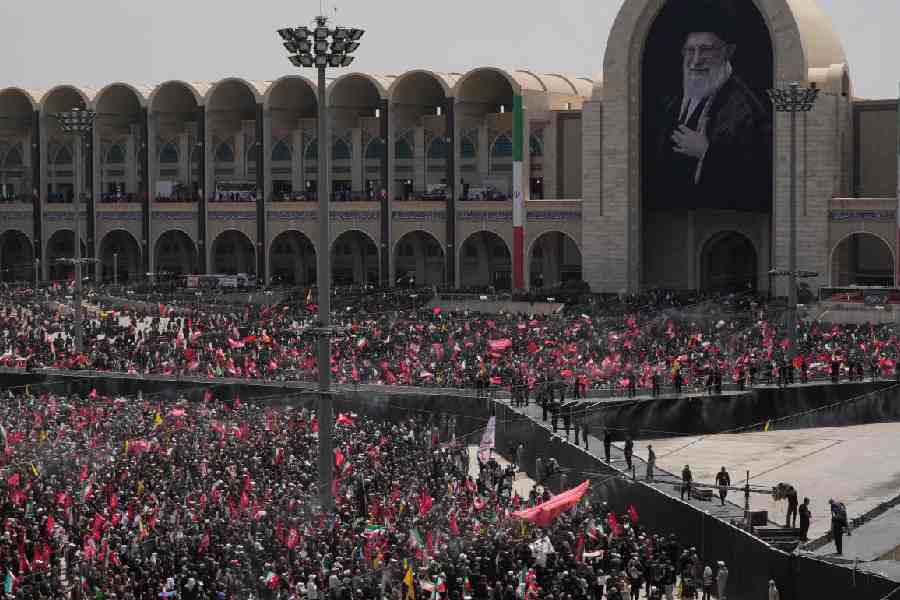
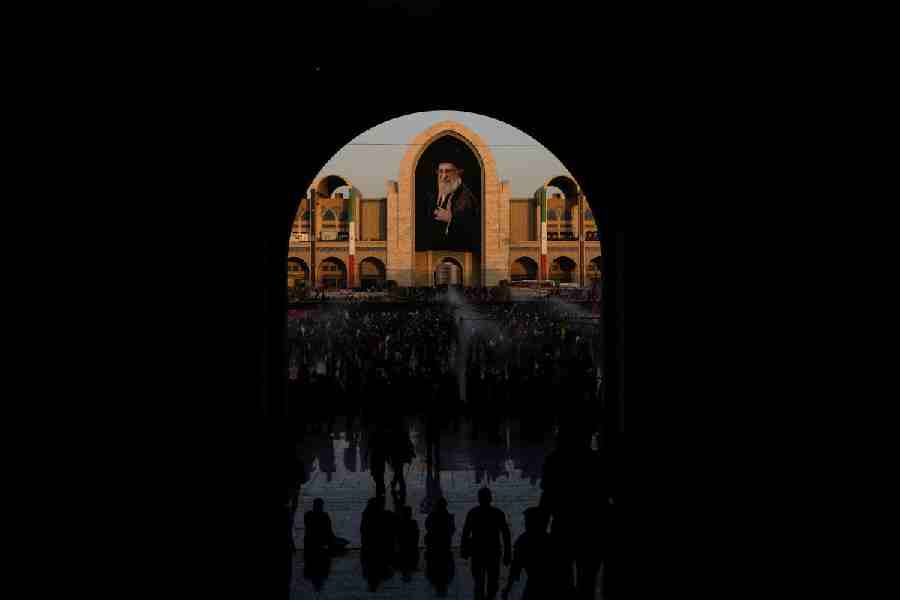
A performer at the funeral for Iran's late Supreme Leader Ayatollah Ali Khamenei called for the death of US President Donald Trump before a crowd of hundreds of thousands of people Sunday in the capital, Tehran.
Mohammad Rasouli, a poet, drew calls of "Death to America!" and "Death to Israel!"
Speaking to the crowd, Rasouli asked, referring to Trump: "Why is the most bastard man in the world still alive?"
That drew cheers.
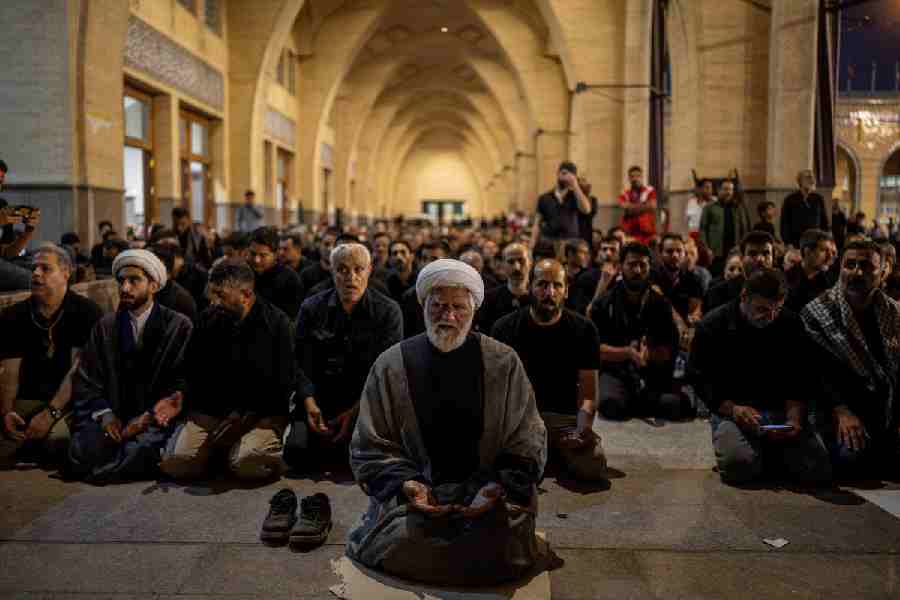
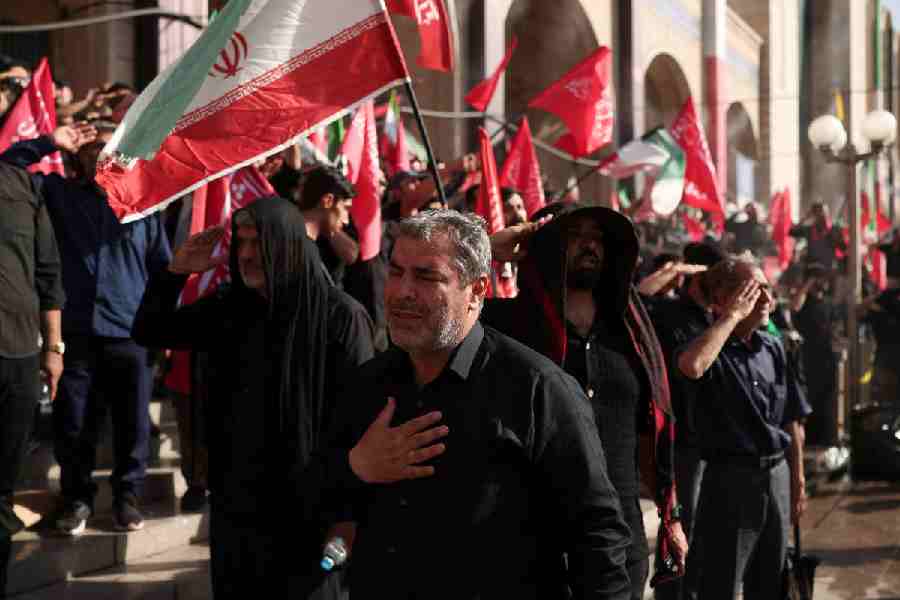
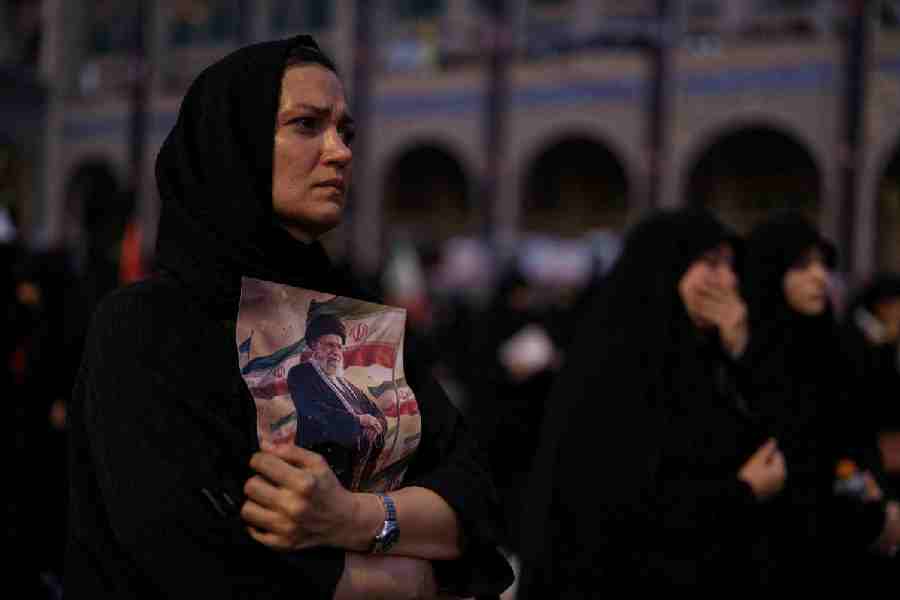
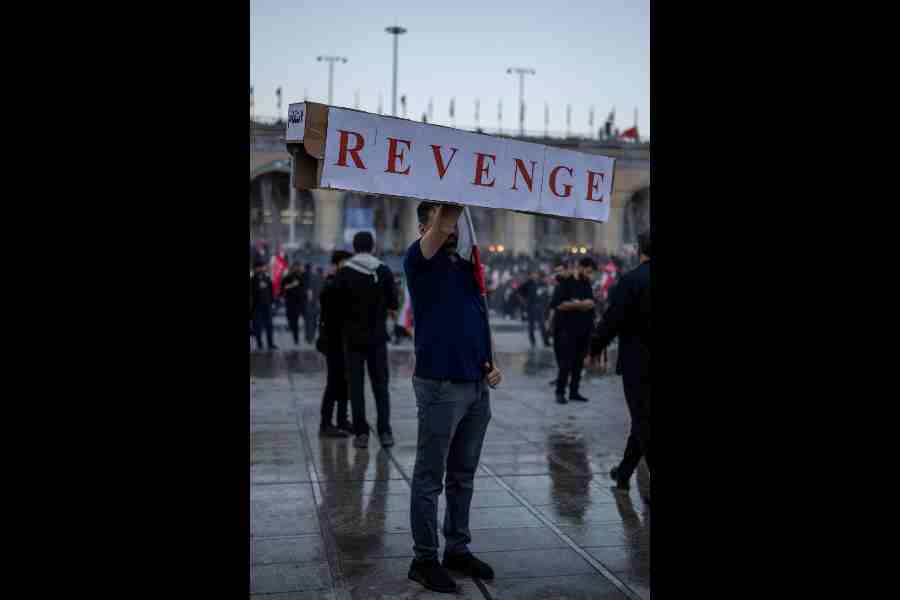
A far-larger crowd for the funeral than the day before attended the ceremony Sunday. Mourners dressed in black walked to the site, carrying banners and flags honoring Khamenei and also calling for Trump's killing as he gave a speech in Washington for the 250th anniversary of the founding of the United States.
The funeral for Khamenei, who ruled Iran for decades before he was killed at age 86 in a February 28 airstrike in the opening moments of the Iran war, could provide a boost for the country's theocracy and its new supreme leader, his son Ayatollah Mojtaba Khamenei.
That is important as Iran tries to leverage its hold on the Strait of Hormuz in negotiations with the US over a permanent end to the war and as concern lingers that Israel could attack again.
The funeral was delayed as the war raged, and talks are on hold until it is over.
Blood fued
"Everyone here has come to avenge the blood of their supreme leader," Arash Rahimi, 40, told Reuters in the crowd. "As our leader has said, we have a blood feud with the United States. Our relations with the United States will never be good."
The funeral is taking place at a critical moment for Iran, with its clerical rulers, backed by the military, buoyed from having survived the onslaught with their ruling system intact. The war has been paused for a ceasefire under an agreement with Washington that Iran's authorities say will ultimately bring huge economic benefits, in line with what they describe as a victory over a superpower.
The Axios news website quoted U.S. President Donald Trump as saying peace talks had been paused for a week for the events surrounding the funeral.
With Iran's leaders all attending, Washington could take them all out with "one shot", it quoted Trump as saying: "But we are not going to do that because then we would have nobody to negotiate with."
Within Iran, beyond the displays of solidarity with the leadership, it remains impossible to assess how deeply public loyalty runs across a country of 90 million people.
Weeks before the war, hundreds of thousands of Iranians demonstrated against the government in protests that were put down in a violent crackdown in which thousands were killed. But there has been little or no public sign of such dissent since the U.S. and Israeli attacks began.
During the war, more than 3,000 people were killed including many of Iran's most senior politicians and military commanders. Military bases and major infrastructure projects were destroyed causing billions of dollars in damage.
But Iran successfully struck U.S. bases in the region, inflicted pain on the Gulf Arab countries that host them, and asserted its control of the Strait of Hormuz, causing a spike in global energy prices which Trump said led him to push faster for peace.
The interim deal reached last month includes the unfreezing of billions of dollars in Iranian assets held abroad, and waivers from financial sanctions that had brought Iran's economy to its knees.
Shi'ite martyrdom
In Iran's theocratic system, Khamenei was not only head of state and leader of a revolutionary movement, but the earthly representative for Shi'ite Islam's last imam, a holy figure who disappeared in the ninth century. His death in an enemy attack plays into a long tradition of martyrdom and ritual mourning, dating to the seventh-century death in battle of the Prophet Mohammad's grandson Hussein, which divided Islam into its Shi'ite and Sunni branches.
Burials are meant to be conducted within a day of death in Islam, but because of the risks of holding a big funeral during the war it was postponed until after last month's interim truce deal was agreed.
Khamenei's coffin was unveiled late on Thursday. On Friday it was laid in state in the great prayer hall built to honour his predecessor, Ayatollah Ruhollah Khomeini, where it will remain until Sunday evening.
After what authorities are billing as a massive procession in central Tehran on Monday, the remains will be taken to the seminary city of Qom, the centre of Iran's Shi'ite hierarchy, for ceremonies on Tuesday.
From there the body will be flown to Iraq for ceremonies in the two Shi'ite holy shrine cities of Najaf and Kerbala on Wednesday. The body will return to Iran on Thursday for anotherprocession in Mashhad, to be buried near the tomb of another of the mediaeval Shi'ite imams.
Authorities plan to mobilise millions of people for big processions over the coming days, offering transport, food and lodging.