Saturday, 13 June 2026
Saturday, 13 June 2026
Saturday, 13 June 2026
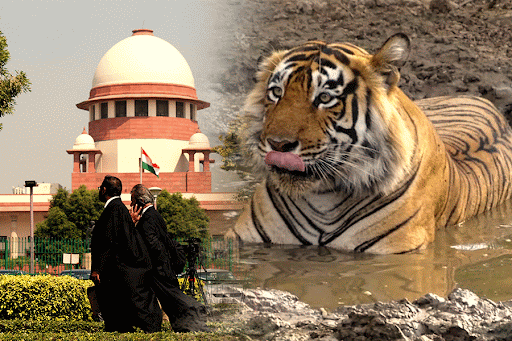
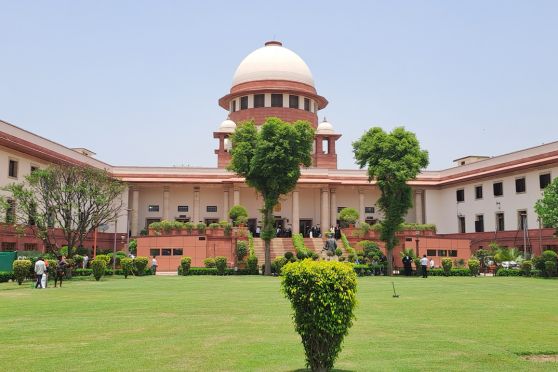
The Supreme Court on 17 November issued an 80-page judgment that redraws how visitors will enter, move through and experience the country’s most famous tiger landscapes.
Contrary to what has been reported earlier, the court did not ban tiger safaris in the Corbett Tiger Reserve. Instead, it defined what can and cannot be built in the name of tourism inside protected forests.
The ruling was delivered by a bench headed by then Chief Justice of India B.R. Gavai and including Justice A.G. Masih and Justice A.S. Chandurkar.
The judgment continues a line of directions issued last year.
In March 2024, the Supreme Court set up an Expert Committee to conduct an “in-depth inquiry” into ecological damage in Corbett Tiger Reserve. The committee was asked to recommend management reforms for Corbett and other reserves, identify the officials responsible for violations, and develop scientific criteria for establishing safari parks.
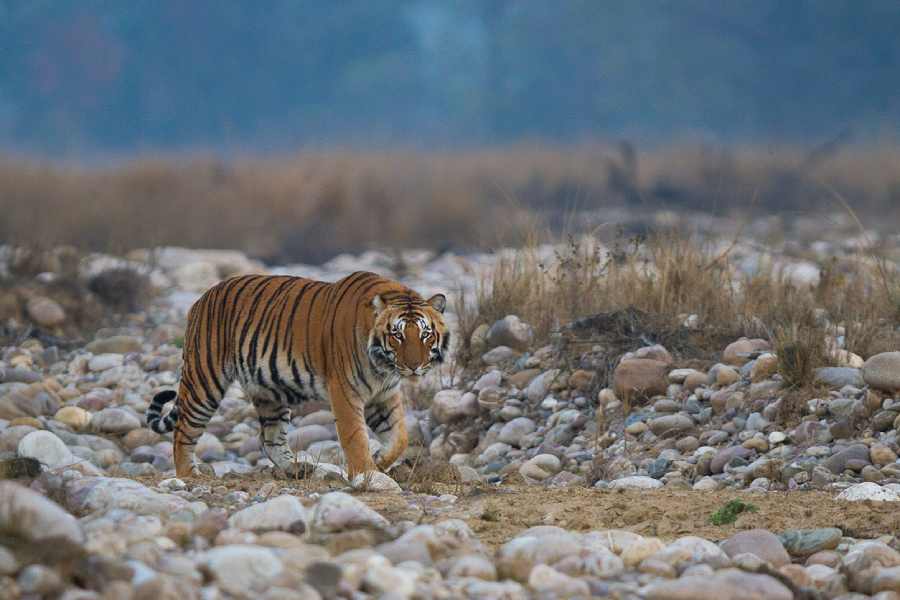
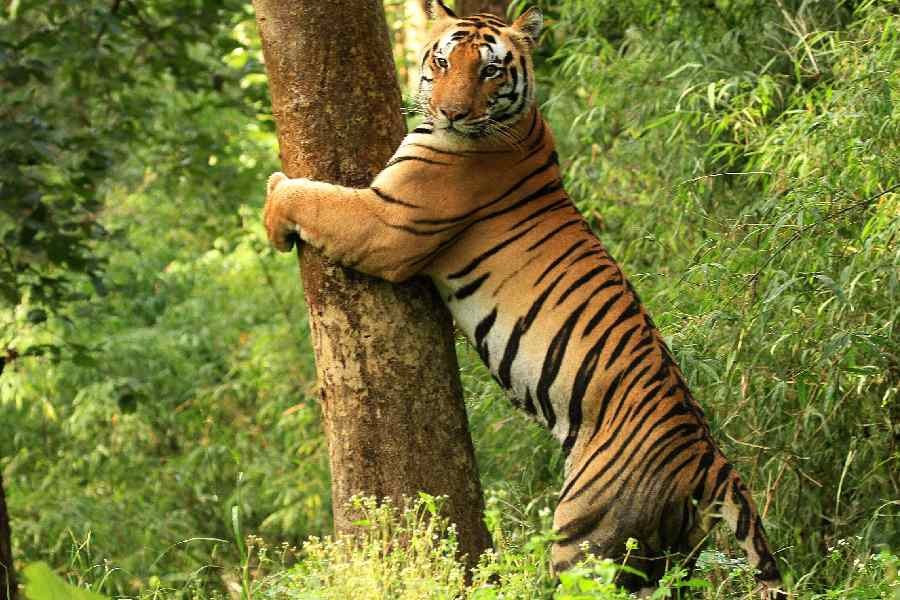
Corbett, India’s oldest national park and home to the world’s largest tiger population inside a single protected area, has been at the centre of a long dispute.
Illegal construction, tree felling, and unapproved safari infrastructure triggered litigation and public pressure. The court is now pushing Uttarakhand to restore the reserve’s damaged zones.
The judgment also reaffirmed earlier directions, that only 20 percent of any tiger reserve may be opened for tourism, and that tourism must be designed as low-impact eco-tourism.
What it means for vehicle safaris
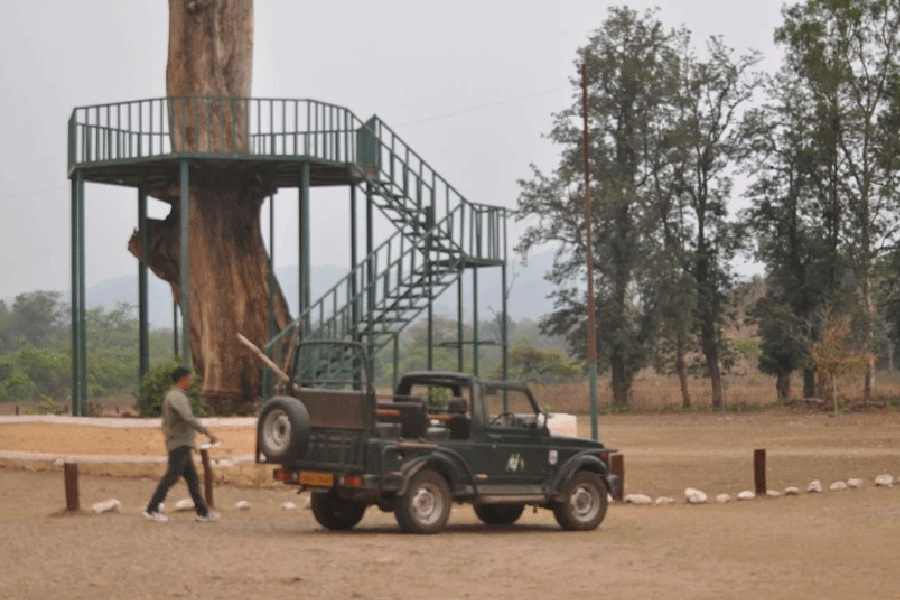
Do these directions affect regular safaris – popularly called Jeep safaris, even though all vehicles may not be Jeeps – in India’s tiger reserves? The short answer is no.
The court has not banned such safaris. It has prohibited “safari parks” — zoo-style enclosures — in core or critical tiger habitats.
Regular tourism routes already allowed under existing tiger conservation plans and National Tiger Conservation Authority (NTCA) guidelines continue with the same restrictions as before, though states are expected to re-examine carrying capacity, noise limits and route rationalisation.
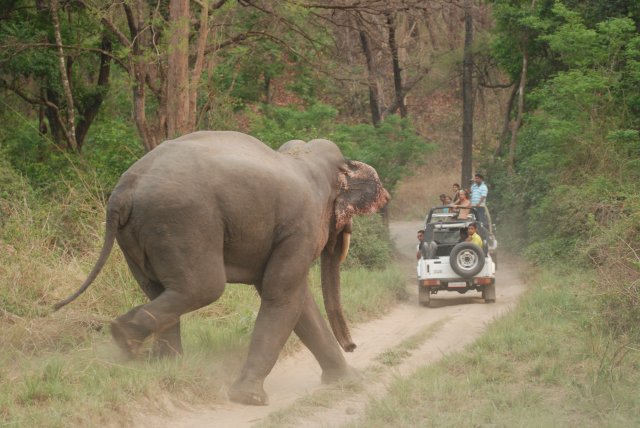
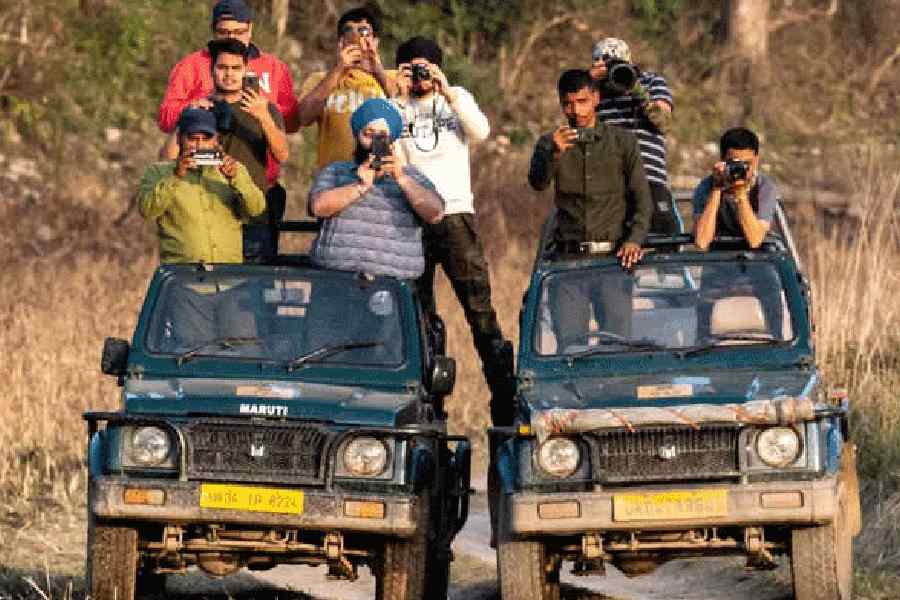
Jeep safaris remain the only way for visitors to enter wild zones of reserves such as Corbett, Kanha or Bandhavgarh, where walking is not allowed for safety reasons.
But the court has signalled that the wider tourism footprint, especially around resorts and roads, must be closely regulated.
Anish Andheria, wildlife conservationist and president of the Wildlife Conservation Trust, said fears that tourism disturbs tigers are overstated.
“Tourism the way it is being conducted doesn’t affect tiger behavior in general,” he told The Telegraph Online.
“Contrary to popular belief, at max less than 100 tigers out of the total 3,760 [Indian tiger population] are being regularly sighted by tourists across the country. Poachers kill much more than that each year. The day tiger tourism stops India will start losing five times more tigers to human-wildlife conflict around those tourist-friendly parks than one sees today.”
Andheria also addressed the idea of safari parks built on degraded land, as the Supreme Court judgment mandates.
He said it would be “a zoo-style enclosure which will have only the conflict animals; tourists may visit those too.”
But, he added, "most tigers are shy animals, and their behaviour isn’t easily altered by the usual flow of visitors. But for the safari parks which are to be located outside the core areas, must only have animals that have a known history of conflict.”
He added that reserves may prefer bus safaris or restrict open vehicles. The key, he said, is converting degraded land into an organised park if needed.
Kedar Gore, wildlife conservationist and director of the Corbett Foundation, also focused on how tourism behaves, not tourism itself.
“The core is meant for the wild. Jeep safaris in batches of 6-7 is normal and what is important in this discussion is responsible tourism.Jeeps/canters are the only mode of transport we have, one can't go in the core areas by foot,” Gore told The Telegraph Online.
“Only 20 per cent of the tiger reserves can be taken up for safari as per the SC and so 80 per cent is free from tourism anyway, but tourism infrastructure should not block the wildlife corridors and designation of more tourism zones should be capped." he added.
Gore said the behaviour of tourists and drivers matters more than the number of vehicles because the number differs for each tiger reserve but the carrying capacity of most popular tiger reserves to establish newer facilities for tiger reserves should be strictly reviewed and brought into practice.
“It is important how disciplined we are as tourists to even go in the forest because these days the network is getting better. Even inside forests, since networking is better the drivers and guides sometimes think of competition to make the tourists see tigers. That's the problem.”
“They inform about tiger sightings on Whatsapp. So from one vehicle to another the update spreads and the cars start rushing in the forest to get a glimpse of the tiger. They practically run behind it and it leads to reckless driving”, he said.
“In such situations the tiger then will be under stress but in a safari park these things can be somewhat avoided.”
National parks, he said, must remain distinct from “zoo-type setting,” and responsible tourism is essential.
Dr Harendra Singh Bargali, Corbett Foundation deputy director, conservation biologist and former member of the IUCN (International Union for Conservation of Nature), said, “Over the years, new tourism zones have also been created in the buffer regions.
“In the case of Corbett, the concern is not limited to Jeep safaris, the creation of safari zones in adjoining forest divisions in the landscape will still be problematic because there are disturbances caused by weddings and other events in nearby hotels and resorts, this will undoubtedly affect the dispersal of tigers and other wildlife,” he said.
The Supreme Court order draws a line between the wild and the semi-wild with zoo-style tiger safaris and fenced parks to be built only outside core habitats, on degraded land, and only for conflict animals.
You can still enjoy legit vehicle safaris in Corbett, or any other protected tiger forest.