Saturday, 23 May 2026
Saturday, 23 May 2026
Saturday, 23 May 2026
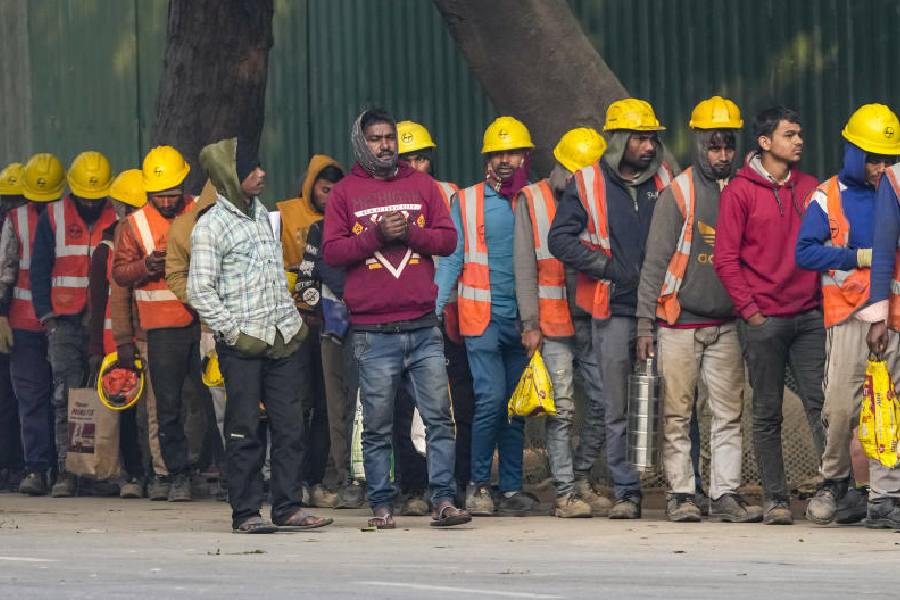
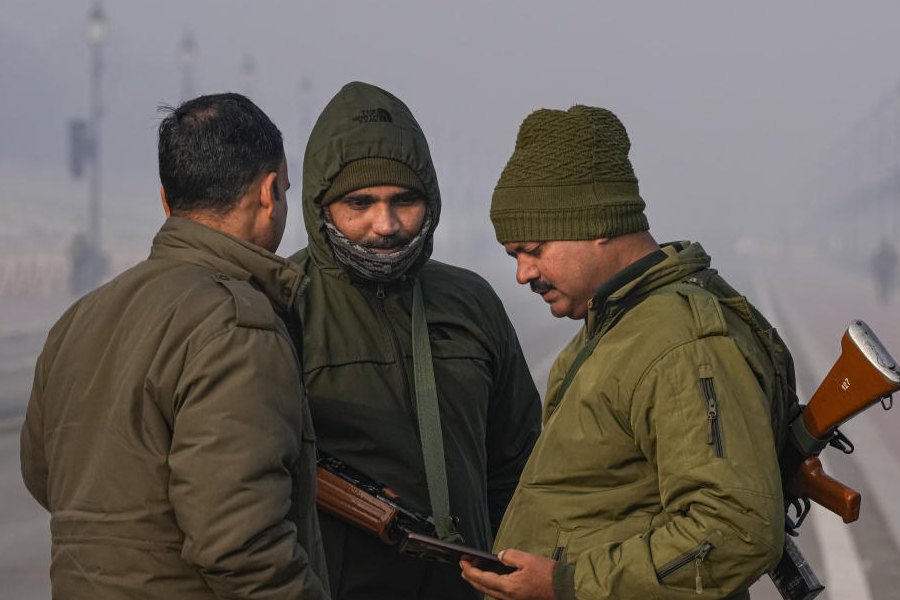
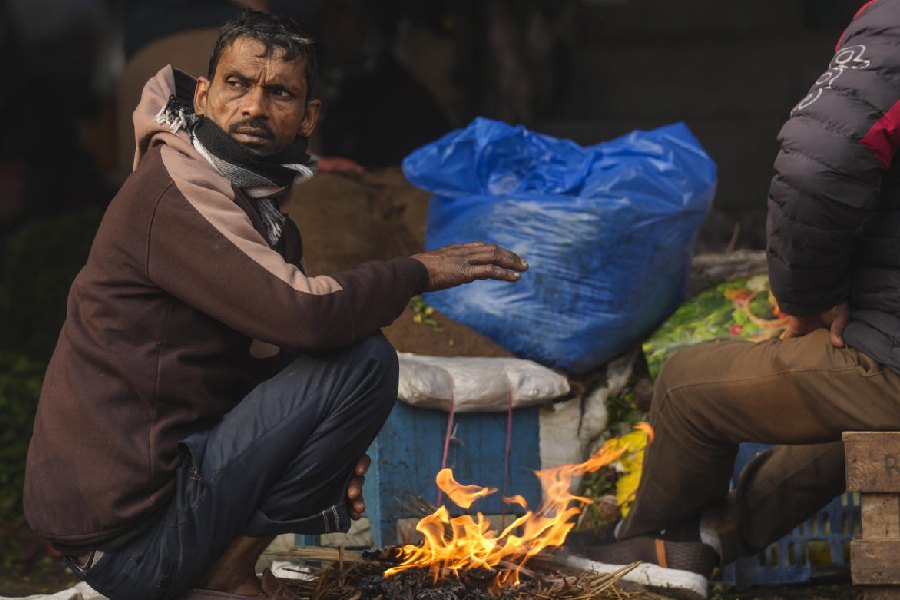
Delhi remained under a cold wave for the fourth straight day on Wednesday, with temperatures showing a marginal rise but offering little relief from the prevailing winter chill, the India Meteorological Department (IMD) said.
The city recorded a maximum temperature of 20 degrees Celsius, 0.1 notch above normal, while the minimum temperature settled at 3.8 degrees Celsius, 3.6 notches below the seasonal average.
According to the IMD, this has been one of Delhi’s coldest spells in recent years, with minimum temperatures hovering close to 3 degrees Celsius since the start of the week.
The last time the capital saw a lower January minimum was on January 16, 2023, when the mercury dipped to 1.4 degrees Celsius. Station-wise data recorded at 5:30 pm showed variations across the city.
The Safdarjung Observatory, Delhi’s principal weather station, recorded a maximum of 20 degrees Celsius.
On the minimum temperature front, Safdarjung recorded 3.8 degrees Celsius, Palam 4.4 degrees Celsius, Lodhi Road 3.6 degrees Celsius, Ridge 4.6 degrees Celsius and Ayanagar 4 degrees Celsius, all well below normal levels.
The IMD said Tuesday marked the coldest January morning in Delhi in three years.
A yellow alert for cold wave conditions has been issued for Thursday, with temperatures expected to range between 5 degrees Celsius and 22 degrees Celsius.
Cold conditions continued to be accompanied by poor air quality. The 24-hour average Air Quality Index (AQI) stood at 353, placing it in the “very poor” category, according to the Central Pollution Control Board (CPCB).
In the evening, 30 monitoring stations reported “very poor” air quality, four stations recorded “severe” levels and four others fell in the “poor” category. Nehru Nagar recorded the highest AQI at 423.
Data from the Decision Support System (DSS) showed that the transport sector contributed 12.8 per cent to pollution levels, followed by industries at 10.6 per cent.
According to the Air Quality and Weather Services (AQWS), Delhi’s air quality is likely to remain in the “very poor” category from January 15 to January 17, with similar conditions expected to persist over the following six days.
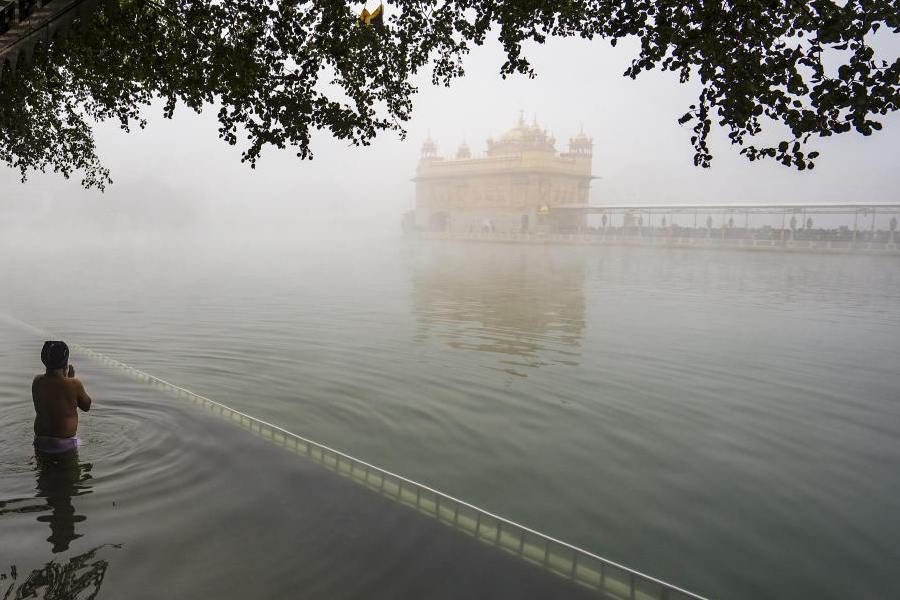
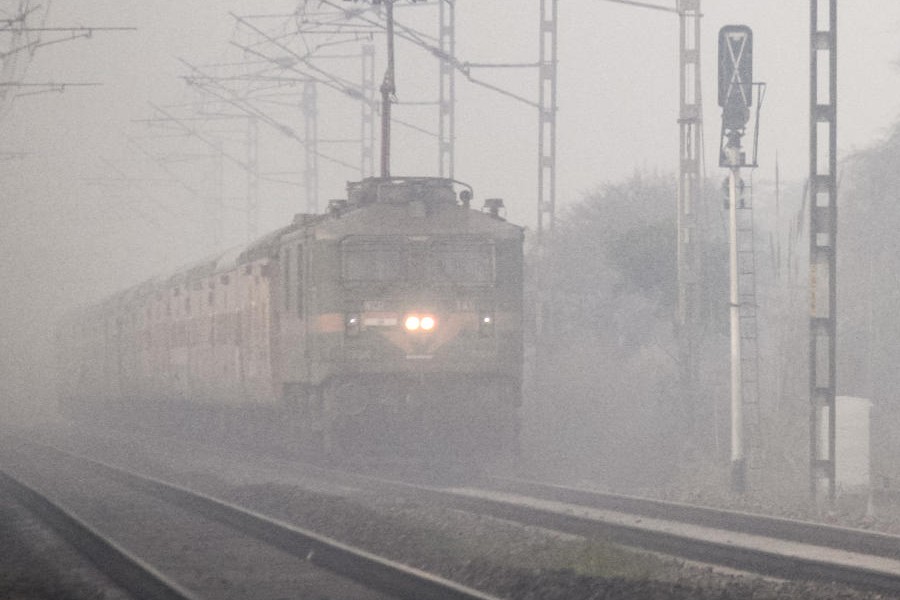
Dense fog also affected visibility during the morning hours. Safdarjung reported visibility dropping to 200 metres at 8 am, improving to 300 metres by 8:30 am.
Across northern India, cold wave conditions continued to grip several states. Parts of Punjab and Haryana reported maximum temperatures plunging to nearly 10 degrees Celsius below normal.
In Kashmir, several water bodies, including parts of Dal Lake, froze due to sub-zero temperatures.
Haryana saw severe cold, with Hisar recording a night temperature of 0.5 degrees Celsius, six notches below normal.
Day temperatures also dropped sharply, with Chandigarh recording a maximum of 8.9 degrees Celsius, about 10 degrees below normal. Ambala recorded a daytime high of 9 degrees Celsius, Karnal 10.2 degrees Celsius and Hisar 13.2 degrees Celsius.
Punjab reported similar conditions, with Hoshiarpur recording a maximum of 8.4 degrees Celsius. Amritsar, Patiala, Ludhiana and Gurdaspur also saw maximum temperatures between 8.8 degrees and 11 degrees Celsius, all well below normal.
Minimum temperatures in the state dipped to as low as 3.2 degrees Celsius in Bathinda and Faridkot.
Rajasthan continued to experience cold nights, with Lunkaransar in Bikaner district recording a minimum of 1.4 degrees Celsius. Several other locations in the state reported minimum temperatures below 5 degrees Celsius.
In the Kashmir Valley, Srinagar recorded a low of minus 5.2 degrees Celsius, while Shopian was the coldest at minus 7.5 degrees Celsius. Pahalgam recorded minus 6 degrees Celsius and Gulmarg minus 3.8 degrees Celsius.
The region is currently observing ‘Chilla-i-Kalan’, the 40-day period of intense winter cold that ends on January 30.
Himachal Pradesh saw mixed conditions.
Shimla recorded a maximum temperature of 17 degrees Celsius under clear skies, while tourist destinations such as Dharamshala and Manali recorded highs of 19.1 degrees Celsius and 14.8 degrees Celsius, respectively.
However, several areas remained close to freezing, with minimum temperatures hovering around zero in places such as Solan, Sundernagar, Berthin and Bhuntar.