Sunday, 14 June 2026
Sunday, 14 June 2026
Sunday, 14 June 2026
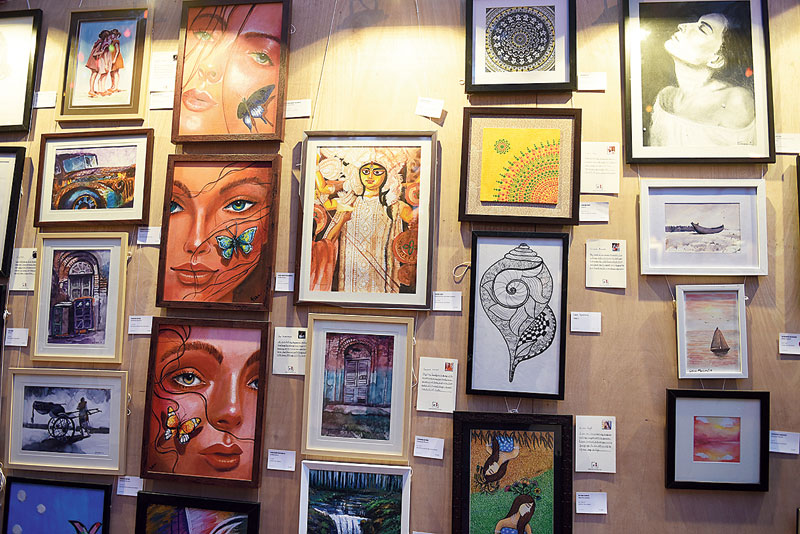
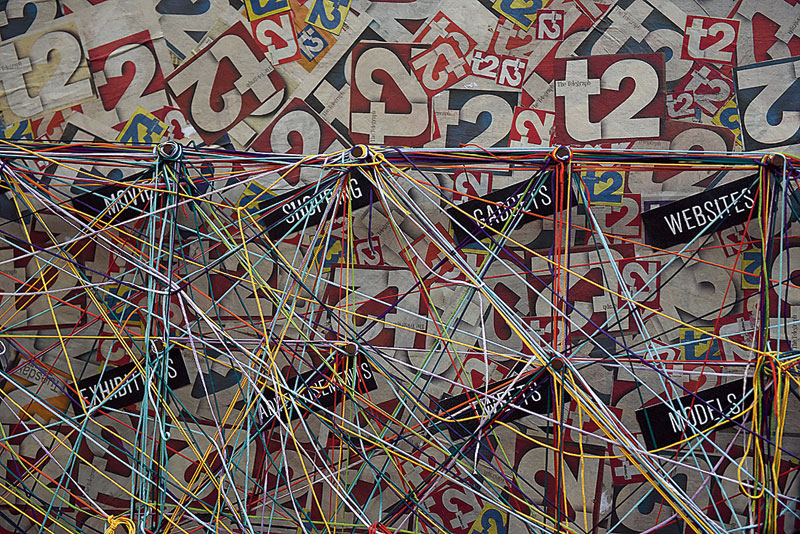
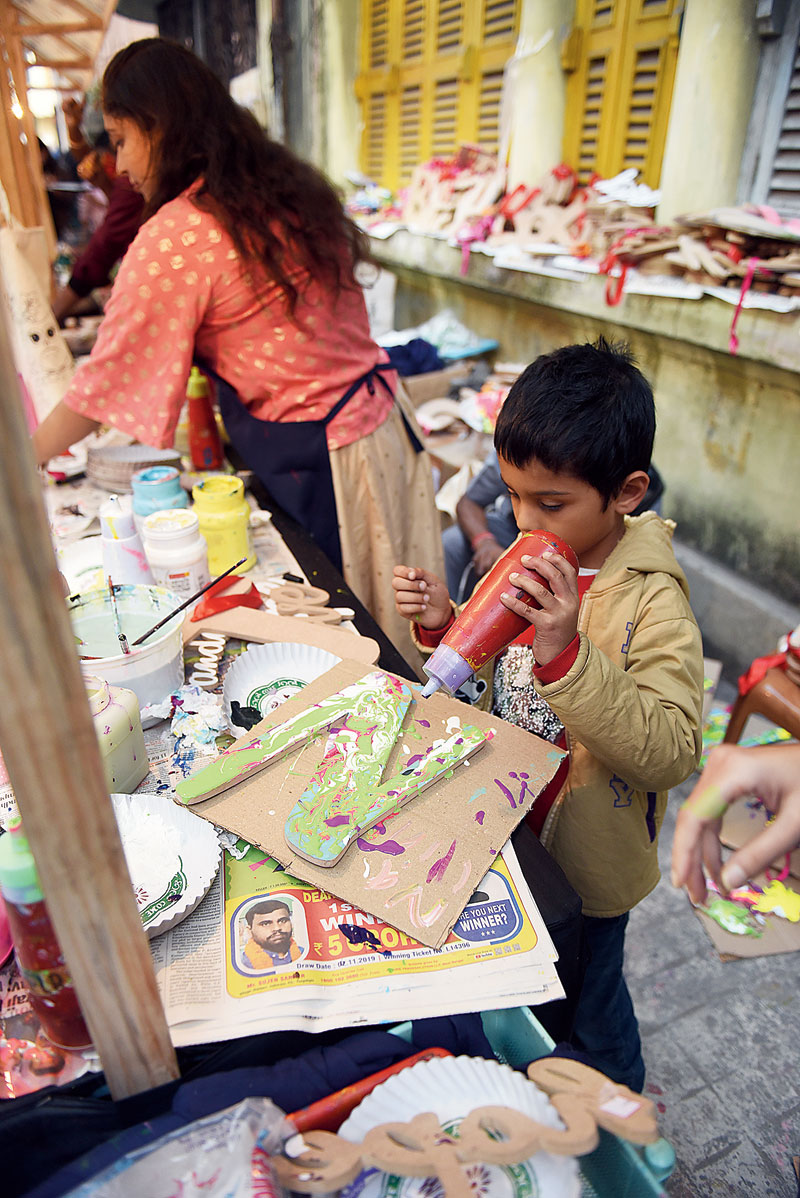
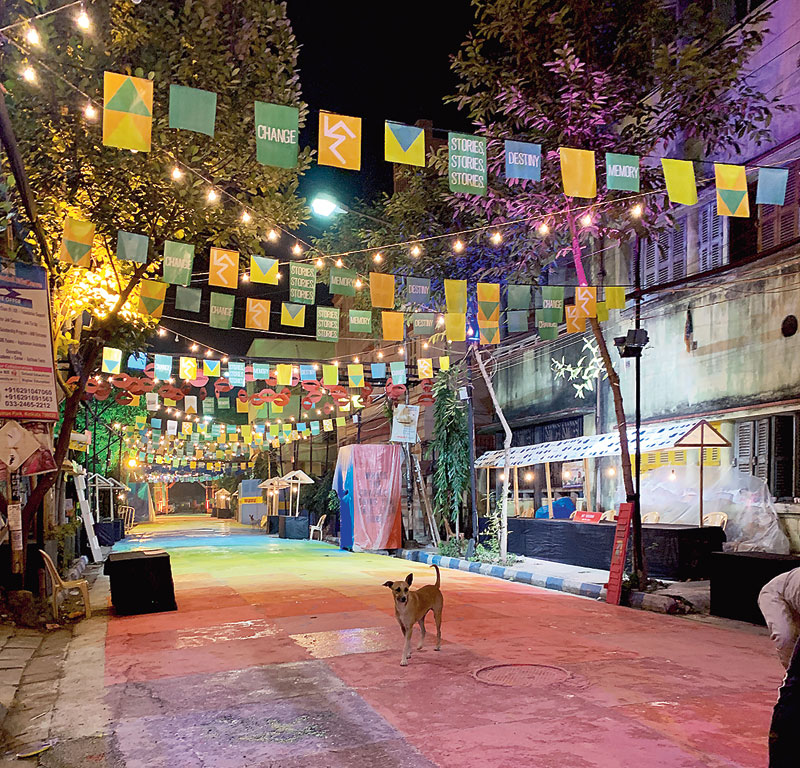
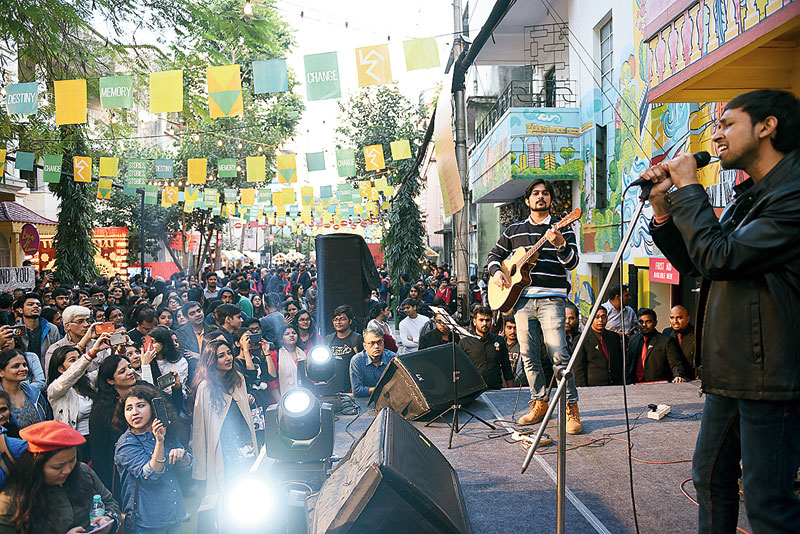
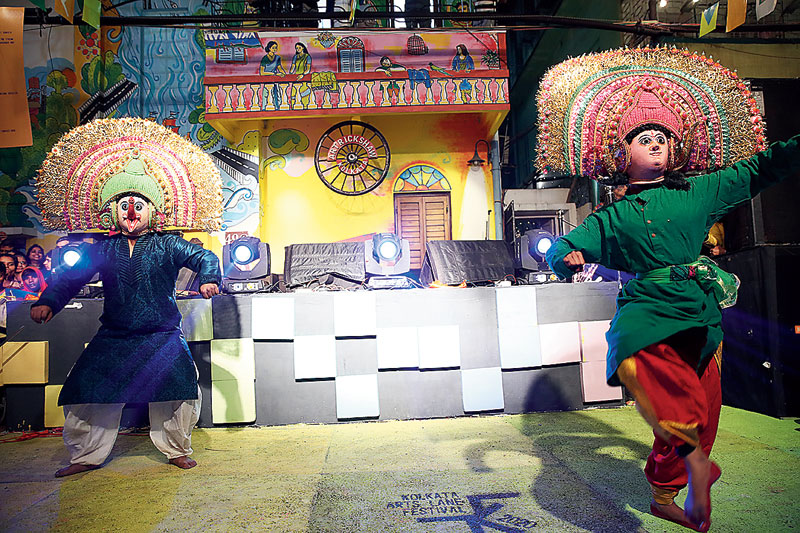
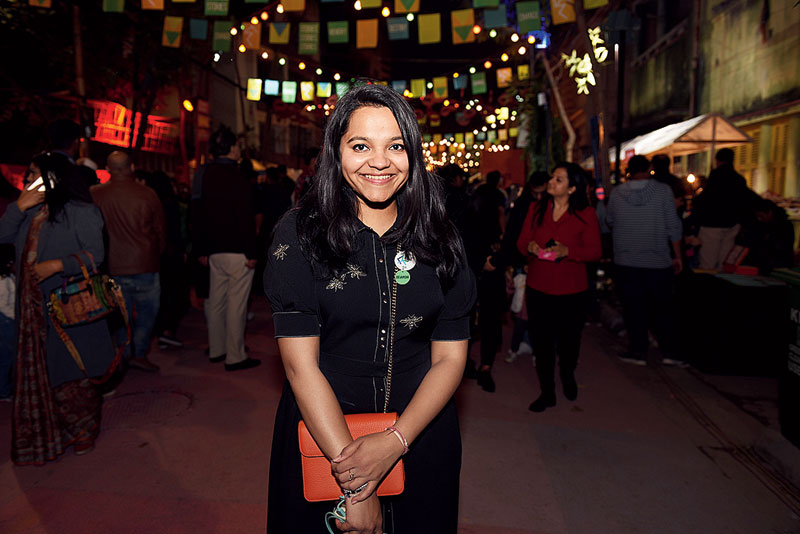
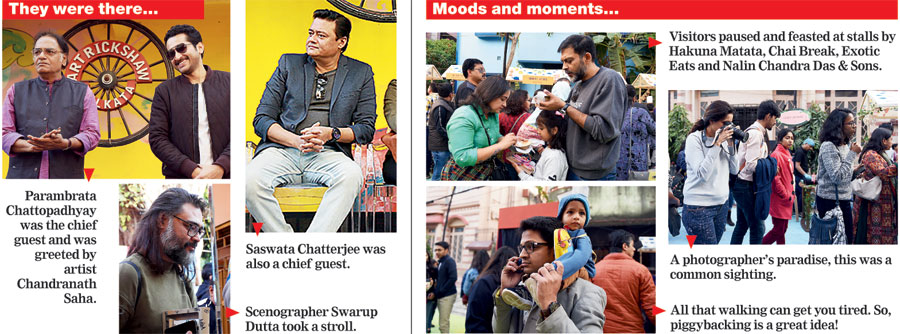
The second lane of Hindustan Park wore celebration gear, decked up in colours, art, a flea market, a food festival and much more as Art Rickshaw — a ‘creative space that any artist freely can call his or her own’ — hosted the third edition of Kolkata Arts Lane Festival, in association with The Telegraph, on January 12. The stretch was painted in 25 colours and looked so bright and vibrant that Google Maps decided to colour the lane’s display in the map view. Interactive and experiential art installations... 16 of them... lined the lane. Adding to the mood were performances like storytelling, live music and musical theatre. A multifaceted Deepak Ramola spoke about his life lessons. The students of Art Rickshaw displayed 200-odd art pieces, up for sale.
An album from the event...
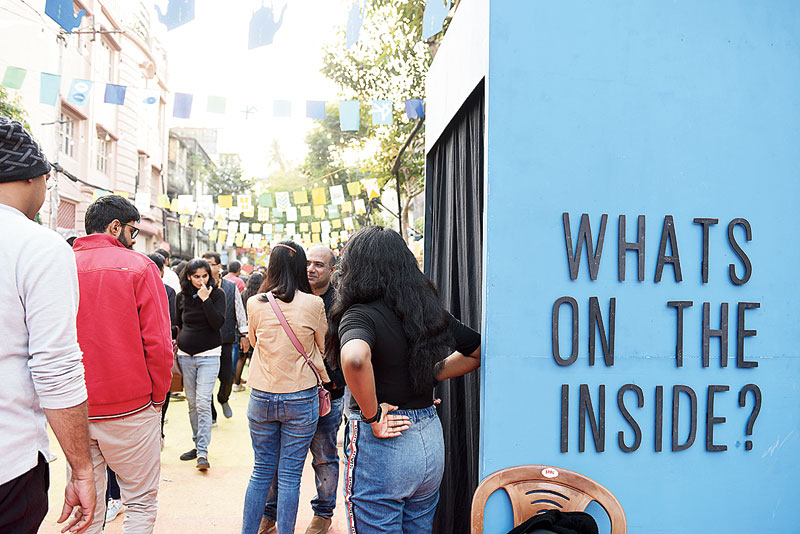
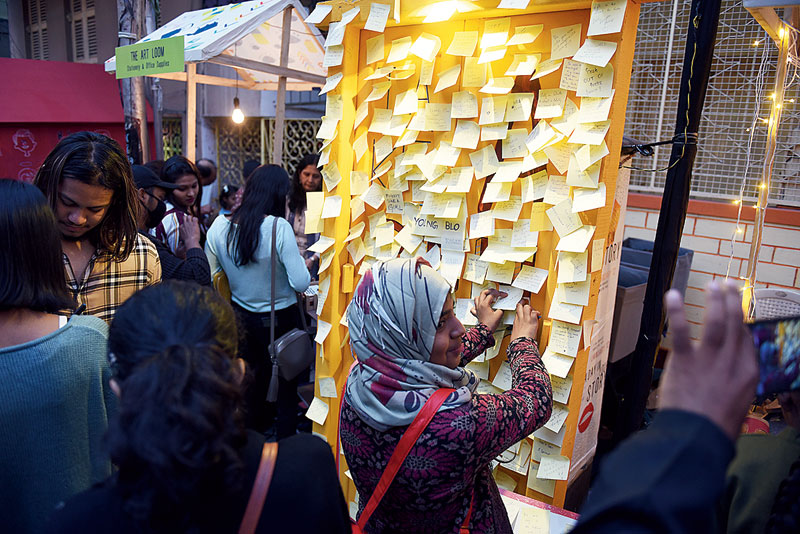
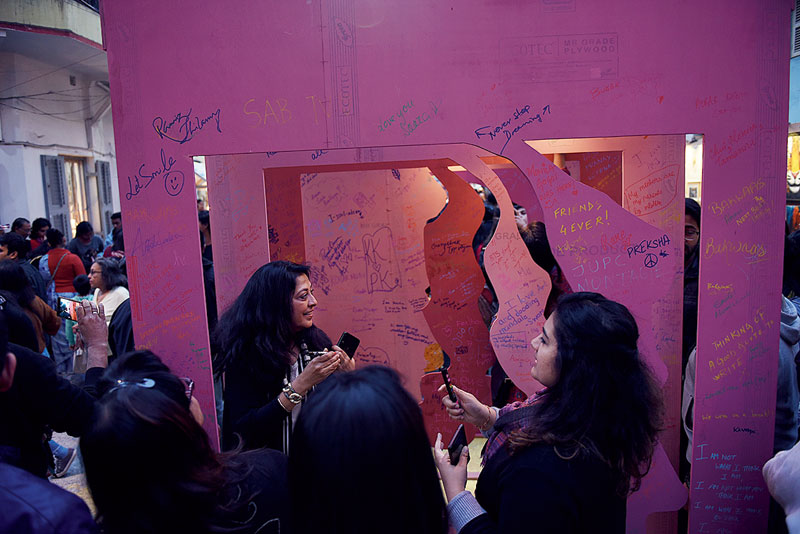
This specific installation put up by Art Rickshaw was a secret confession booth. People could go in and write a secret and no one would know. “Since the theme of KALFest was your stories, we wanted people to come and share their story and all the installations were a step towards doing so,” said Devanshi Rungta, creative director, KALFest.
Pabitra Das and Art Rickshaw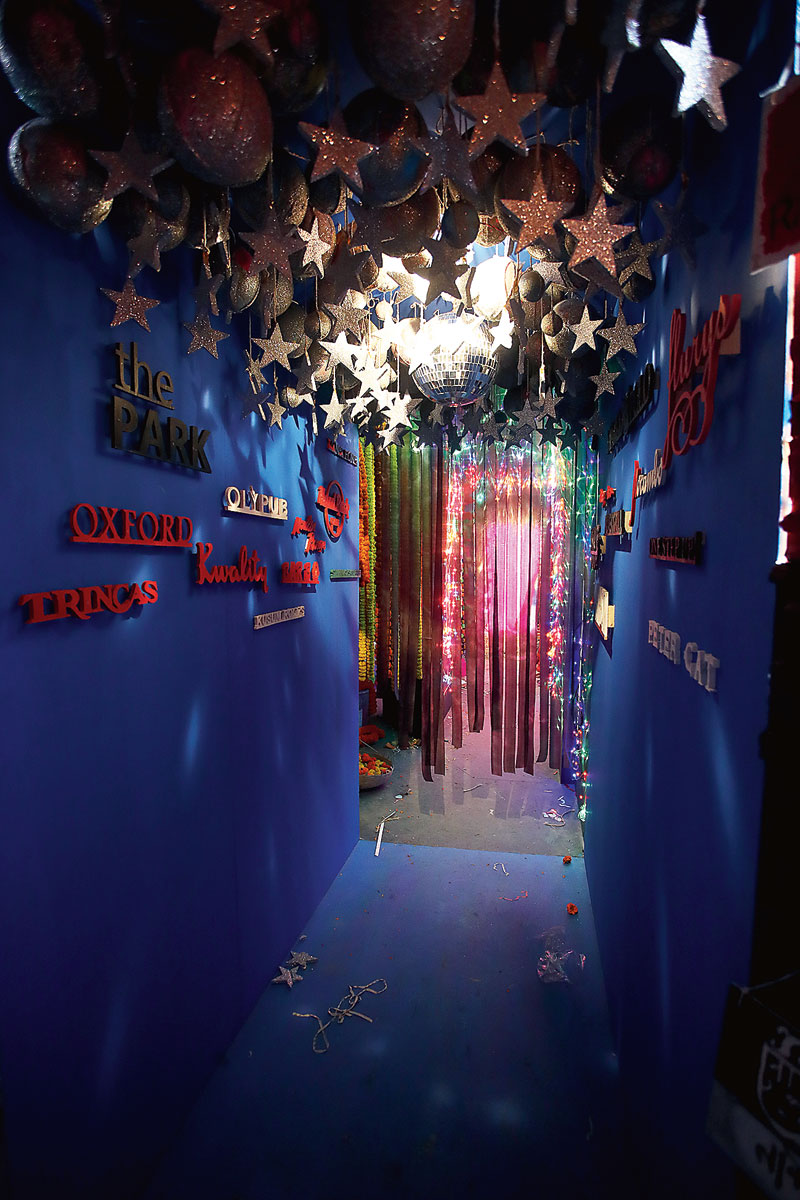
A 40-feet long walk-through titled Kolkata Gully was also installed at the festival. Conceptualised and created by artist Chandranath Saha and Art Rickshaw’s Devanshi Rungta, the installation replicated 12 iconic streets and lanes of Calcutta that have had a great impact on the city’s culture. From Park Street to the famed red ticket counter at the Academy of Fine Arts and the flower bazaar at Howrah, a lot of the city’s landmarks were highlighted in this installation.
Pabitra Das and Art RickshawCurator speak with Devanshi Rungta
Kolkata Arts Lane Festival is...
The motive is to make art more “approachable” for all... to take the conversation out of closed rooms and galleries, to open public spaces, and by creating user-driven interactions that make art extremely relatable to the viewer. Art has always been a medium of communication. Our motive is to essentially present it in a way in which anyone can approach it, that is, to simply open up a channel for dialogue. We don’t want individuals to ‘fear’ art but rather embrace it, enjoy and experience it.
How long did it take you to put the festival together?
It took us approximately three months of planning and three months of solid execution... so in total around six months.
What was one of the biggest challenge?
Managing timelines and budgets while ensuring we deliver top-notch quality in whatever we do.
How was this edition different from the rest?
It was more theme-oriented, grander, taking up much more of the street. The focus was on experiential art installations. We collaborated with more artists and local artisans and spent a lot of time planning the entire festival around the theme of “stories”. The entire lane of Hindusthan Park was dotted with quotations such as “A day in your story”. We wanted to put the viewers at the centre of the narrative and send out the message that each of their stories is unique and worth being told!
How was the response?
The response was overwhelming. We had double the visitors compared to last year with a crowd of over 40,000 people.
What’s your takeaway from the festival?
Teamwork makes dream work!
What more can people expect in the coming years?
We want to improve the quality and scale of immersive art experiences. In the upcoming years, we are going to focus on introducing new technologies and improve the quality of experiences that anyone visiting KALFest has. Also focusing more on artist-based collaborations. Also extending it to make it a two-day event and focusing more on pro-social causes “experiential pop-ups”.