US President Donald Trump signed executive orders imposing sweeping tariff targeting pharmaceutical companies that have not signed up to his “Most Favoured Nation” pricing initiative, alongside fresh changes to metal import duties.
The new pharma order mandate a 100 per cent tariff on certain imported patented medicines and their key ingredients, which is aimed at forcing drug makers to shift production to the US and offer lower prices directly to American consumers.
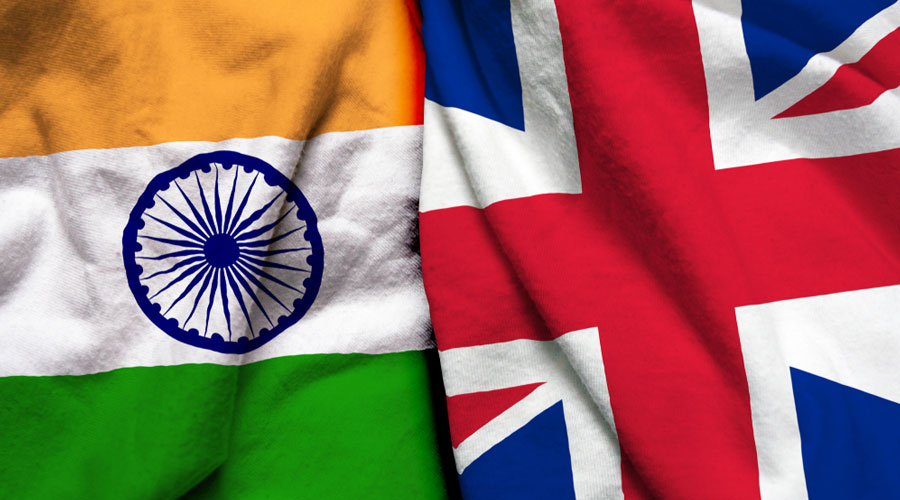
For India, the immediate impact of the pharma tariff appears to be limited. Around 90 per cent of India’s pharmaceutical exports to the US are generics (off patented), which continues to remain exempt. In 2025, India exported $9.7 billion worth of pharmaceuticals to the US, accounting for 38 per cent of its global pharma exports of $25.8 billion.
Alongside the pharmaceutical push, Trump signed an order revising tariffs on steel, aluminium and copper imports to counter what officials describe as price manipulation by foreign exporters.
Under the updated rules, the existing 50 per cent tariff on primary metals will now be calculated based on US purchase prices rather than declared export values.
The executive order, issued on April 2 builds on a section 232 investigation launched on May 1, 2025, that cited national security risks from dependence on foreign drug supplies.
While sparing generics provides relief to India, firms producing branded or speciality drugs, or supplying inputs for patented medicines, could face tariff pressure, the Global Trade Research Initiative (GTRI) observed.
“The larger concern is future uncertainty if tariffs are extended to generics,” GTRI founder Ajay Srivastava said.
The 100 per cent tariffs will mainly affect Ireland, Germany, Switzerland, Belgium, Denmark, the United Kingdom and Japan, which are major exporters of patented and high-value drugs, including biologics, to the US. The order does not exempt countries with trade arrangements with the US, including the EU and Japan.
Srivastava observed that Washington is likely to rely more heavily on tools such as Section 232 of the Trade Expansion Act of 1962 (national security) and Section 301 of the Trade Act of 1974 (foreign trade barriers) to justify tariffs on a wide range of products and countries after US Supreme Court struck down ‘reciprocal’ tariffs.