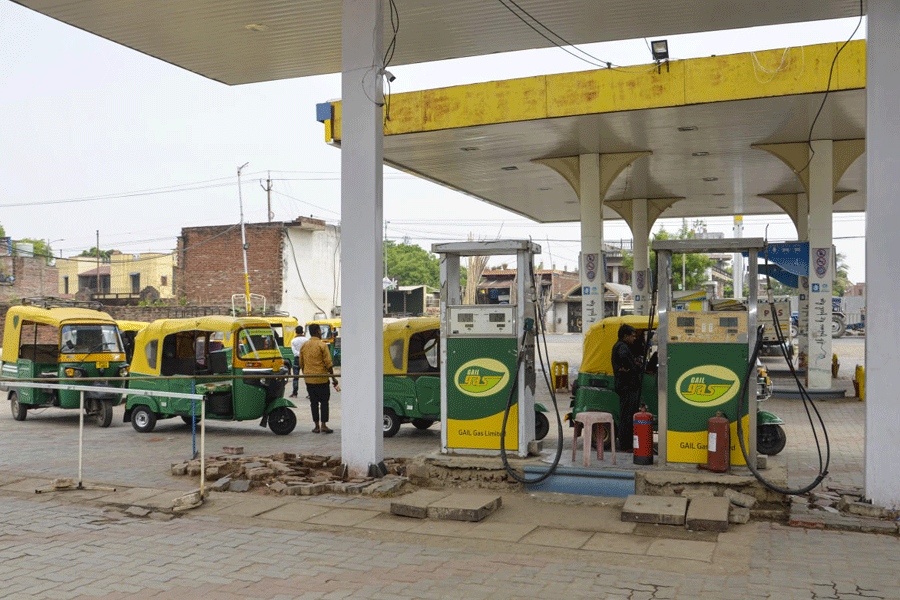
Compressed natural gas (CNG) prices in the national capital were hiked by Rs 2 per kg on Tuesday, marking the fourth increase since May 15 and taking the cumulative rise to Rs 6 per kg amid continued pressure from elevated global energy prices.
With the latest revision, CNG in Delhi will now cost Rs 83.09 per kg, according to Indraprastha Gas Ltd (IGL). Earlier hikes included Rs 2 per kg on May 15 and Re 1 each on May 17 and May 23.
The latest increase comes as petrol and diesel prices have also been revised upward in recent days, with state-owned oil marketing companies passing on the impact of soaring international crude prices, weaker refining margins and a depreciating rupee.
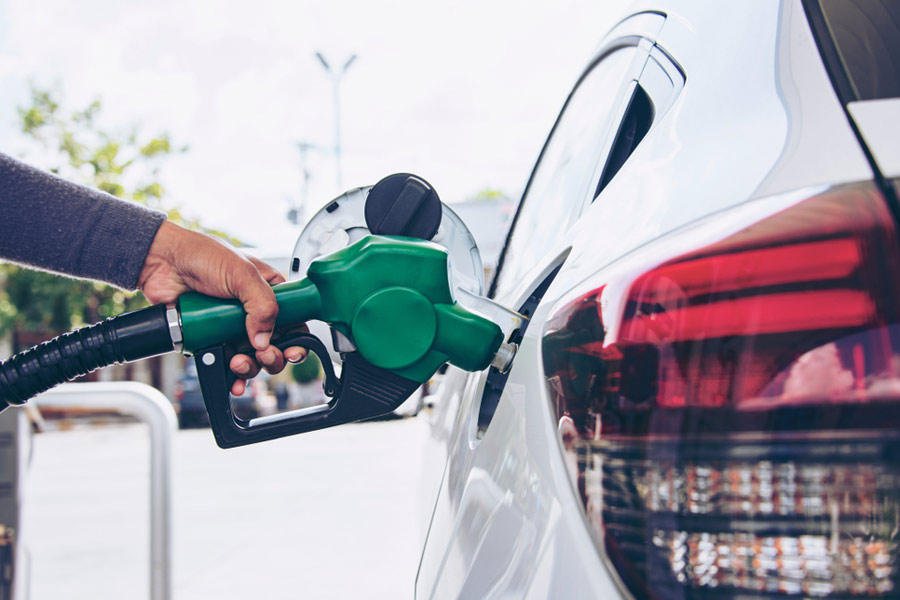
On May 23, petrol and diesel prices were increased by 87-91 paise per litre across the country, taking the cumulative increase in retail fuel prices to nearly Rs 5 per litre since May 15, when daily revisions resumed after a prolonged freeze.
In Delhi, petrol now costs Rs 99.51 per litre and diesel Rs 92.49 per litre. Fuel rates have also increased in neighbouring cities, with prices varying across states because of local taxes.
The back-to-back increases follow a sharp rise in global crude oil prices since late February after US-Israeli strikes on Iran and disruptions to shipments through the Strait of Hormuz, a critical global oil transit route.
State-owned Indian Oil Corporation (IOC), Bharat Petroleum Corporation Ltd (BPCL) and Hindustan Petroleum Corporation Ltd (HPCL), which together control about 90 per cent of India’s fuel retail market, had kept prices unchanged for months despite rising input costs.
Private retailers had also raised rates earlier. Nayara Energy increased petrol and diesel prices in March, while Shell revised fuel prices from April 1. Jio-BP moved rates in line with PSU retailers.
Despite the recent hikes, oil companies continue to incur losses.
Petroleum Ministry's Joint Secretary Sujata Sharma had earlier this week stated that the May 15 increase reduced losses by about a fourth, but state-run oil firms were still losing around Rs 750 crore per day.
According to Crisil, oil marketing companies were losing about Rs 10 per litre on petrol and Rs 13 per litre on diesel even after the earlier hike.
Petrol and diesel prices are now at their highest levels since May 2022. Rates had remained frozen since April 2022 except for a Rs 2-per-litre cut in March 2024 ahead of national elections.
Prime Minister Narendra Modi last week urged citizens and government departments to conserve fuel, promote remote working and avoid non-essential travel as elevated energy prices threaten to widen the current account deficit and strain foreign exchange reserves.
Industry officials said the calibrated hikes were aimed at easing pressure on oil companies without triggering a sharp inflation shock, though they acknowledged the increases would add to broader price pressures in the economy.
India’s retail inflation accelerated to 3.48 per cent in April from 3.40 per cent in March, while wholesale inflation climbed to a 42-month high of 8.3 per cent, driven largely by rising fuel and energy costs.