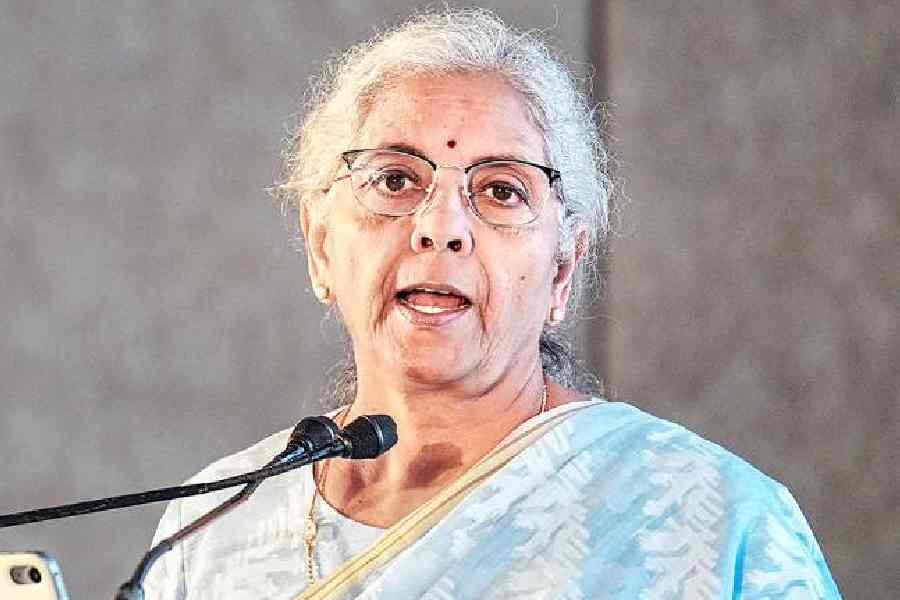
Finance minister Nirmala Sitharaman defended Prime Minister Narendra Modi’s call for austerity during the Iran war after opposition parties criticised the appeal, saying the conflict was creating external pressures on the economy.
“The West Asia crisis not only is a diplomatic or geopolitical issue. For businesses and common people, it can mean higher fuel cost, delayed cargo, costlier shipping, shortage of inputs and pressure on working capital and uncertainty in export orders,” Sitharaman said at an event in Mumbai on Monday.
“The PM’s call is very important in that context.”
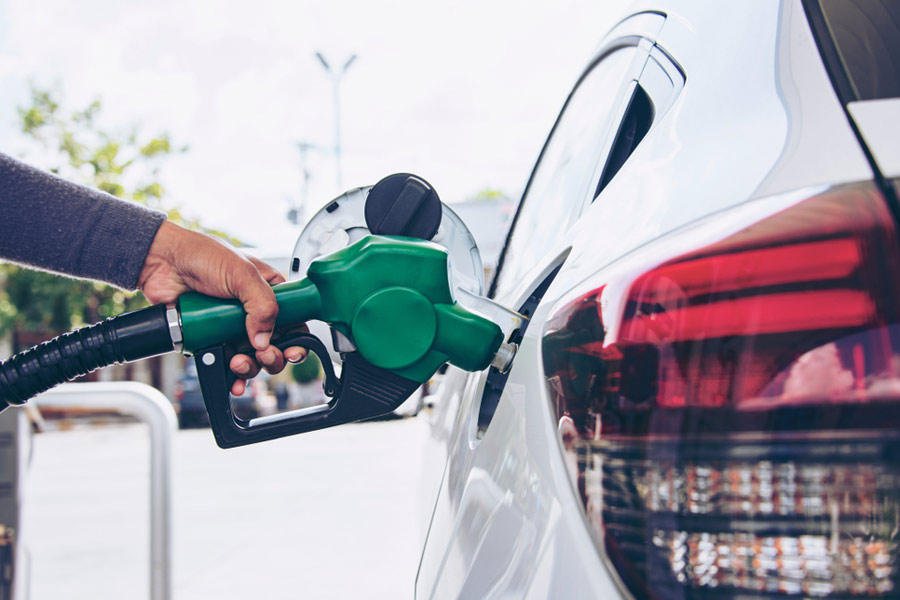
In a rare public appeal this month, Modi urged citizens to cut fuel consumption and avoid non-essential travel to help conserve foreign exchange reserves. Opposition parties have since criticised the austerity push, arguing it signals the economy is under greater strain than official data indicates.
Rahul Gandhi, leader of the opposition in the lower house of the Parliament, called the appeal an “admission of failure”.
India has been among the economies hardest hit by the West Asia conflict because of its reliance on crude and fuel shipments through the Strait of Hormuz, a critical waterway that has been largely blocked since the war began in February. State-run fuel retailers have raised gasoline and diesel prices four times in the past 10 days in a delayed response to the surge in crude prices caused by the war, adding to inflationary risks.
The finance minister said elevated crude oil prices, an “unimaginable” rise in fertiliser costs and higher gold prices were creating challenges on the external front, even as domestic economic conditions remained resilient.
“The approach will have to be to protect citizens, support MSMEs, safeguard exporters, keep supply chains moving and maintain economic stability,” she said.
India’s economy continues to be robust, she added, citing strong goods and services tax collections despite tax rate rationalisation, healthy vehicle sales and the strength of the banking system as signs of broad-based demand. “India cannot afford fear-mongering,” Sitharaman said.
She also highlighted that the issue of ₹8.1 lakh crore locked in delayed payments for MSMEs was impacting their working capital and growth, and urged public sector undertakings not to exceed the 45-day window to make payments to them.
Sitharaman also asked lenders to review the design of loans to tailor-make products, where repayments happen when an entity gets its revenues.
“My message to Sidbi and every banker here is that standard products cannot serve non-standard businesses,” she said, citing examples of how the income generations of businesses vary across multiple activities.