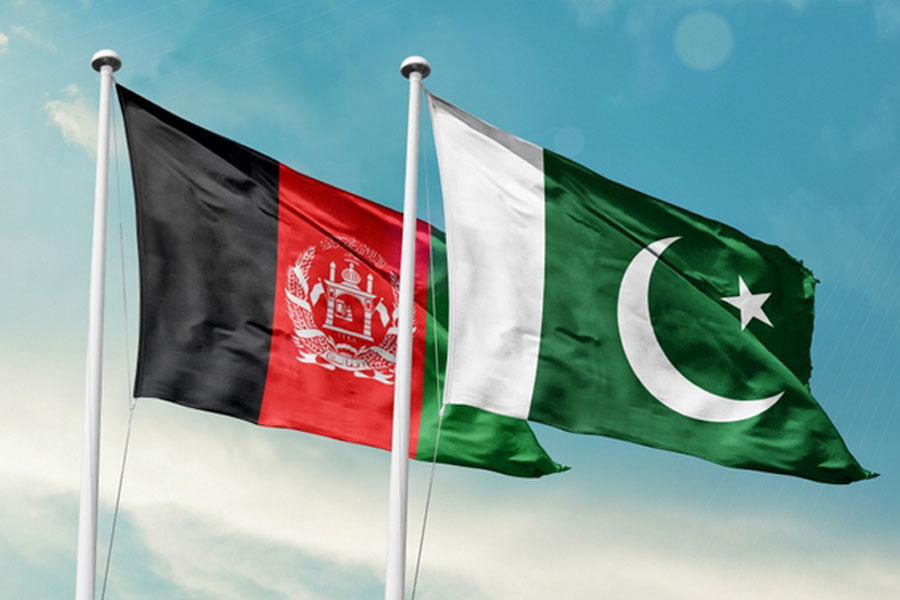
India intervened on behalf of Afghanistan at the UN Security Council this week, implicitly accusing Pakistan of choking Kabul by shutting trade routes, violating WTO norms and deepening an already dire humanitarian crisis.
New Delhi framed the closures at key border crossings as deliberate pressure tactics, calling them “open threats and acts of war” against a country struggling through economic ruin.
“We also note with grave concern the practice of ‘trade and transit terrorism' that the people of Afghanistan are being subjected to by the cynical closure of access for a landlocked country whose people are suffering numerous debilitating conditions since many years.
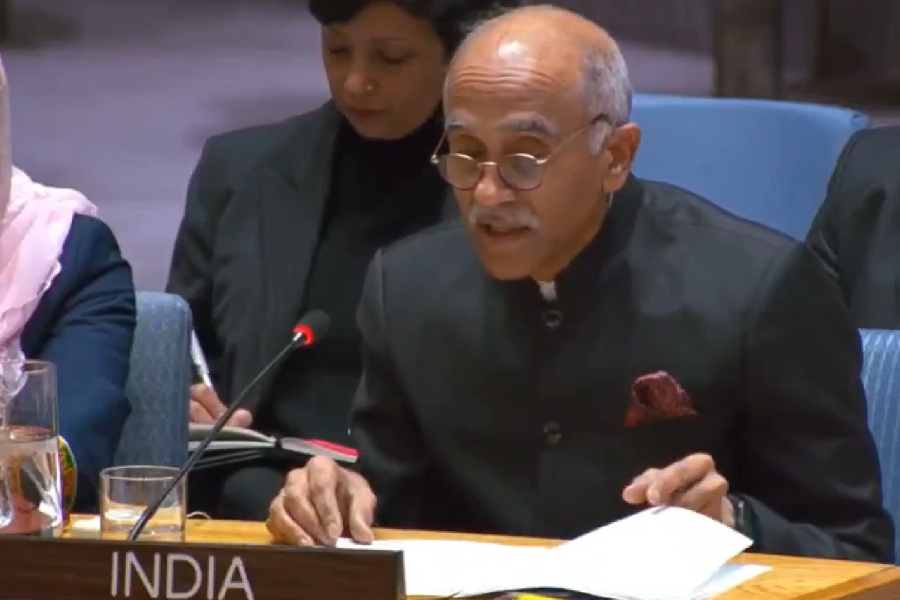
These acts are in violation of WTO norms. Such open threats and acts of war against a fragile and vulnerable LLDC nation trying to rebuild in difficult circumstances constitute a blatant violation of the UN Charter and international law,” India’s permanent representative to the UN, Ambassador Parvathaneni Harish, told the Council.
The UNSC meeting took place days after intense fighting between Pakistan and Taliban forces left several Afghan civilians dead.
On December 8, India condemned the violence.
“We have seen reports of border clashes in which several Afghan civilians have been killed,” MEA spokesperson Randhir Jaiswal said in Delhi. “We condemn such attacks on innocent Afghan people. India strongly supports the territorial integrity, sovereignty and independence of Afghanistan.”
The Taliban has claimed Pakistan initiated the strikes and that Kabul was “forced to respond”. For months, the border has been a site of recurring confrontations.
The UN report discussed at the meeting outlined the consequences of border closures: displacement of hundreds of families, disrupted fruit harvests, stalled trade, and heavy losses for Afghan farmers.
Harish backed the concerns raised by the United Nations Assistance Mission in Afghanistan (UNAMA) over civilian casualties in airstrikes: “India echoes UNAMA's concern over airstrikes and condemns the killing of innocent women, children and cricketers in Afghanistan.”
Harish also issued a caution on the threat posed by designated terror groups.
“The international community must coordinate efforts towards ensuring that entities and individuals designated by the UN Security Council, the ISIL and Al-Qaeda and their affiliates, including the Lashkar-e-Taiba and the Resistance Front, along with those who facilitate their operations, are no longer indulged in cross-border terrorism,” he said.
India also reinforced its outreach to Kabul.
“India calls for a pragmatic engagement with the Taliban. A coherent policy of engagement should incentivise positive actions. A focus on only punitive measures will only ensure that a 'business as usual' approach continues as we have been seeing now for the last four and a half years,” Harish said.
The upgrade of India’s technical mission in Kabul back to embassy status formed the centrepiece of this strategy.
“The recent decision by my government of restoring the status of our technical mission in Kabul to that of an embassy underscores this resolve. We will continue our engagements with all stakeholders to augment our contribution to Afghanistan’s comprehensive development, humanitarian assistance, and capacity-building initiatives, in keeping with the priorities and aspirations of Afghan society,” he added.
Recent peace talks between Afghanistan and Pakistan, held in Saudi Arabia over the weekend prior to 3 December, involved delegates from Pakistan's military, intelligence, and foreign office alongside Taliban representatives.
No broader resolution or long-term deal emerged, as Pakistan sought written Taliban assurances against anti-Pakistan militants operating from Afghan soil, while the Taliban denied responsibility for Pakistan's internal security.