World food prices climbed in April to their highest in more than three years, with vegetable oils particularly elevated due to the Iran war and the effective closure of the Strait of Hormuz, the United Nations Food and Agriculture Organisation (FAO) said on Friday.
FAO chief economist Máximo Torero said vegetable oil prices are being driven by elevated energy costs that are in turn raising demand for biofuels made using organic materials, such as oil-rich plants.
He added, however, that despite war-linked disruptions, agri-food systems were showing resilience, with cereal prices having increased only moderately thanks to adequate supplies from previous seasons.
The FAO Food Price Index, which measures changes in a basket of globally traded food commodities, rose for a third consecutive month in April to average 130.7 points, the UN agency said, up 1.6 per cent from its revised March level and the highest since February 2023.
The index hit a peak of 160.2 in March 2022 after the start of the Ukraine war.
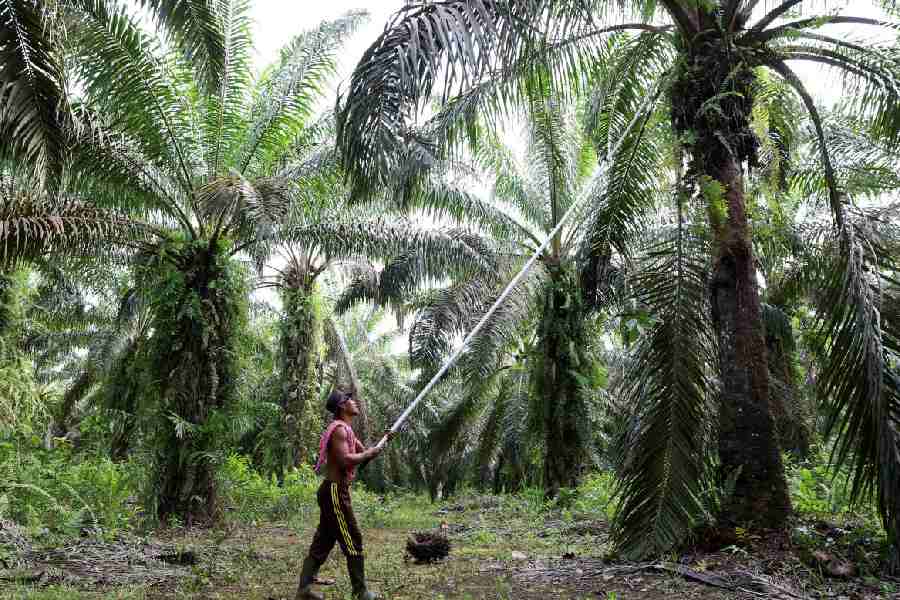
The FAO's April vegetable oil price index rose 5.9 per cent month-on-month to its highest since July 2022 as a result of increased soy, sunflower, rapeseed oil and palm oil prices, the latter, notably, underpinned by biofuels policy incentives.
By contrast, April cereal prices rose just 0.8 per cent from March and were up 0.4 percent from a year ago, reflecting modestly higher prices for the likes of wheat and maize linked to weather concerns, rising fertiliser costs and increased biofuels demand.
There are expectations for reduced 2026 wheat plantings, the UN agency said, as farmers shift to less fertiliser-intensive crops given prices for the inputs have surged.
Elsewhere, April meat prices rose 1.2 per cent month-on-month to a record high amid limited slaughter-ready cattle in Brazil, the FAO said, while sugar dropped 4.7% thanks to forecasts for ample supply in Brazil, China and Thailand.
In a separate report, the FAO slightly raised its 2025 global cereal production estimate to a record 3.040 billion metric tons, six per cent above levels seen in the prior year.