It has taken around six years to deliver three seasons of the Israeli series Tehran, the latest of which is currently unfolding on Apple TV. The show possesses everything that James Bond or Jason Bourne lacks: an immediate, visceral relevance to the shifting international relationships currently defining the Middle East.
Filmed in Athens in a linguistic tapestry of Farsi, English, and Hebrew, the production weaves together burner phones, clandestine nuclear facilities, and intricate assassination plots with such frightening adeptness that one occasionally forgets whether they are watching a drama or reading the morning’s headlines.
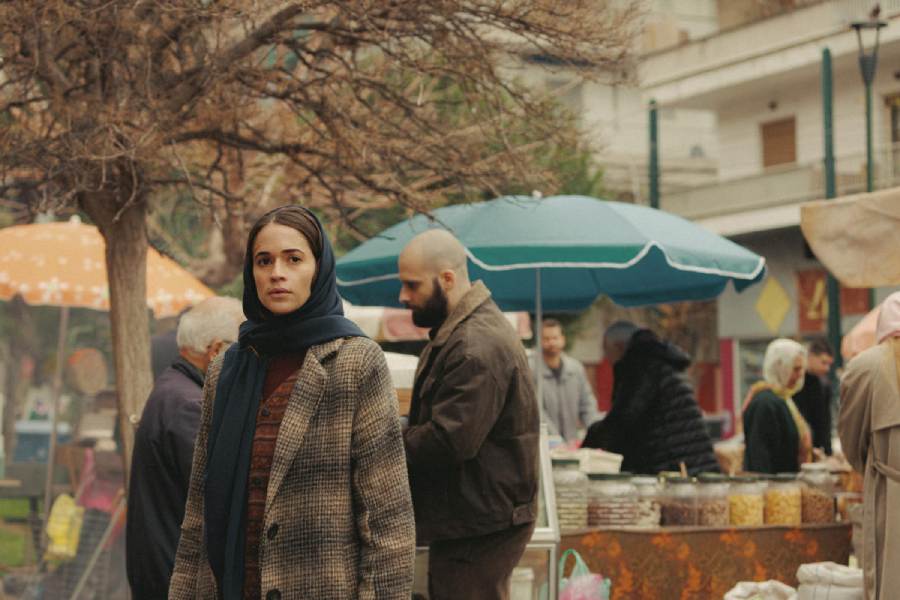
While the series is anchored by the formidable lead characters Tamar Rabinyan (played with steely grace by Niv Sultan) and Faraz Kamali (the magnetic Shaun Toub), each season functions as a self-contained masterclass in tension. This knotty espionage thriller resumes the story of Tamar, a Mossad agent, exactly where it left her years ago: trapped in a labyrinthine undercover mission in Iran that has spiralled dangerously out of control. Each time she glimpses a path to safety, the gravity of Tehran pulls her back into the belly of the beast.
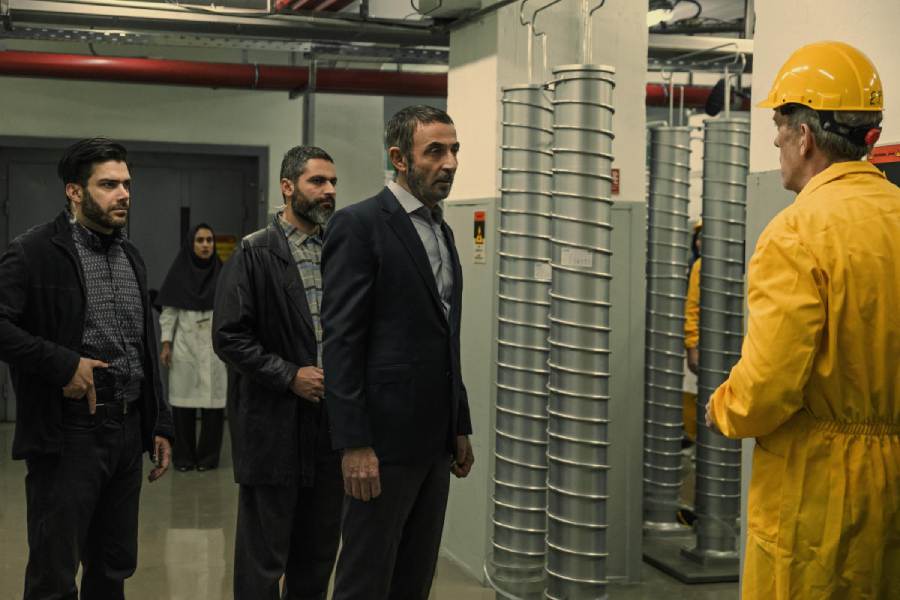
Shaun Toub in season three of Tehran. Picture: Apple
In this third outing, the lens narrows on Iran’s nuclear programme. It is a narrative choice that feels inevitable; the desire to neutralise Iran’s atomic ambitions has occupied the Oval Office since the days of Ronald Reagan. Today, that geopolitical fire is being stoked by Israeli Prime Minister Benjamin Netanyahu, who found a willing partner in US President Donald Trump last June to execute America’s direct strikes against Iranian targets.
Looking back, the Reagan administration weighed the cost of bombing key Iranian sites following the 1983 US embassy and Marine barracks bombings in Beirut. President Bill Clinton similarly explored the military option after Tehran was suspected of involvement in the Khobar Towers attack in Saudi Arabia.
Art imitating a fractured reality
Season three was originally slated for an earlier release, having aired on Israeli television in December 2024. However, the volatility of real-world politics necessitated a “cooling-off” period. Now that it has finally arrived on Apple TV, the eight-episode run will appear weekly through February 27, restoring a sense of appointment viewing to the streaming era.
Following a catastrophic blow to her personal life at the end of the second season, Sultan’s Tamar is now forced to persuade a wary Mossad to extract her from Iran. Sultan possesses enough small-screen wattage to hold her own against the season’s heavyweight addition: Hugh Laurie. Taking over the “guest star” mantle from Glenn Close, Laurie appears as Eric Peterson, a nuclear inspector arrested while snooping on Iran’s secret atomic programme.
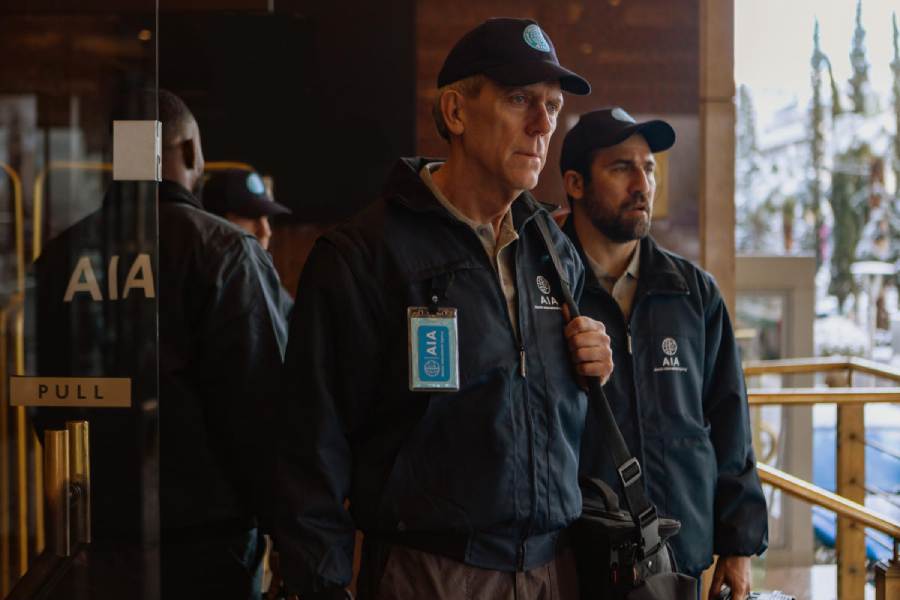
Hugh Laurie in Tehran.
Laurie is at his versatile, cynical best here. This marks his most significant return to the genre since his chilling turn as Richard “Dickie” Onslow Roper, the “worst man in the world”, in the British series The Night Manager. Just as his Roper eclipsed the leads in that production, Laurie’s Peterson brings a gravitas to Tehran that elevates the stakes. He plays a man willing to go to any lengths to expose Iran’s nuclear intentions, an agenda that makes him a natural ally for Tamar.
Yet, the show would be hollow without Faraz Kamali, the head of investigations for the Islamic Revolutionary Guard Corps. Kamali is perhaps the most complex character on the Apple TV show. He is a man who sees every exploitation and betrayal unfolding in real time, yet often finds his hands tied by the very bureaucracy he serves. It is a classic dramatic trope: a protagonist is only as heroic as the stature of their villain. Where the Cold War once provided the KGB as a monolithic enemy, and the post-Soviet era offered the “unhappy lot”, Iran has now become the definitive fodder for modern spy craft.
New architecture of the spy thriller
Simultaneously, Israel has transformed into a global television powerhouse. The industry that gave us the original blueprints for Euphoria and In Treatment has now perfected the boots-on-the-ground drama. While Fauda became a breakout hit on Netflix, Tehran represents the creme de la creme of Israeli exports, boasting incredibly high production values. One of the show’s greatest triumphs is how it demands the viewer’s undivided attention; the cinematography is so rich that it practically shames the smartphone screen, beckoning for a cinema-grade display, like the iPad or television screen.
In season three, there is a marked increase in Persian dialogue compared to previous years, yet it never feels like a distraction. Instead, it adds a layer of authenticity that grounds the heightened action. There is certainly enough narrative momentum for Apple to greenlight a fourth season, though the timing remains at the mercy of the region’s stability. When it comes to the West’s relationship with Iran, diplomacy often appears to be a tool for buying time, allowing for tighter coordination with Israel or the application of economic pressure. But as the show reminds us, nothing guarantees a tidy outcome.
In recent weeks, reports have surfaced of a renewed crackdown by the Iranian government on protests that began in late December. What started as an outcry over economic woes has expanded into a mass movement challenging authoritarian clerical rule. Communication blackouts and a deluge of disinformation make it difficult to discern the reality on the ground, but the atmosphere of dissent provides the perfect “meat” for Tehran’s plot.
Despite the heavy political backdrop, creators Moshe Zonder, Dana Eden, and Maor Kohn ensure the series remains, first and foremost, a thriller rather than a documentary. It is an exquisitely entertaining piece of fiction, featuring Tamar darting through the backstreets of the capital, moving from one crisis to the next with the kinetic energy of a Bourne film. The only time she slows down is to tend to a wound or secure a new safe house.
Credit for the show’s relentless pace goes to director Daniel Syrkin, who has helmed all the episodes. He maintains absolute control over the action, keeping viewers on the edge of their seats with a plot that sucks the audience in effortlessly. As we move toward the finale, the familiar patterns remain — Tamar is on the run, and we expect her to vanish once more into the shadows. The true interest lies in the “how”... how she navigates the labyrinth of Iranian intelligence and how she attempts to protect the loved ones she inevitably endangers.
Tehran highlights Iranian society in all its complexity, from the domestic fear of the regime to the unofficial, sudden shifts in the enforcement of modesty laws. At its core, season three remains true to the foundation laid in the first season: it asks what defines a person’s identity and what, ultimately, can make them change it. By releasing episodes weekly, Apple TV prevents the gluttony of binge-watching, forcing us to sit with the tension for seven days at a time. It is a testament to the show’s power that we are willing to wait. Watch it for the politics, but stay for Tamar’s humanity as she tries to leave Iran, one more time.