Elegant sign
Sir — The recent anxiety surrounding the em dash — on whether all writing with em dashes are generated by Artificial Intelligence — is misplaced. This mark has long served literature with distinction. Emily Dickinson used it for cadence; Charles Dickens used it for drama; Jane Austen used it for subtle emphasis. Its current association with AI cannot diminish that history. The em dash continues to clarify thought, manage interruption, and soften rigid syntax. Treating it as compromised because algorithms deploy it reflects a poor grasp on the history of the English language to begin with.
Yashodhara Sen,
Calcutta
Poisoned
Sir — Recent reports show that both Delhi and Calcutta face severe winter air pollution. Every winter, the debate on pollution returns with the same intensity as the smog. Different experts offer different answers, leaving citizens puzzled about the source of the pollution. A standard emissions inventory, regularly updated, would anchor policy in reality. Cleaner air requires consistency.
Ritodrish Mondal,
Calcutta
Sir — Delhi relies on emission inventories that no longer reflect current traffic patterns, construction activity, or fuel use to plan pollution control measures. Pollution sources change quickly in expanding cities. Countries with better outcomes update inventories frequently for this reason. India’s cities require the same discipline. Accurate inventories allow authorities to evaluate past interventions and plan new ones with greater confidence and public credibility.
Haridasan Rajan,
Kozhikode, Kerala
Sir — Winter pollution in Delhi has shifted from being an inconvenience to a health risk. Burning eyes, sore throats, and breathing difficulty are now routine markers of the season. Residents no longer debate whether pollution exists but whether anyone intends to reduce it. Despite decades of evidence, authorities continue to suggest that solutions are impossible. Other global cities with similar conditions have reduced pollution through sustained policy. Treating toxic air as inevitable normalises harm and abandons public responsibility.
K. Agarwal,
Calcutta
Giant killer
Sir — Tripura’s performance in the Syed Mushtaq Ali Trophy shows how thoughtful investment can narrow long-standing gaps in Indian cricket. A small population and the lack of historical success did not prevent the team from defeating established sides like Karnataka and Mumbai. This success reflects years of patient groundwork rather than short-term recruitment. Local players formed the core of the squad which strengthens the achievement. Cricketing growth does not require size or legacy alone. It requires opportunity, infrastructure, and sustained commitment at the grassroots level.
Asad Nagari,
Jaipur
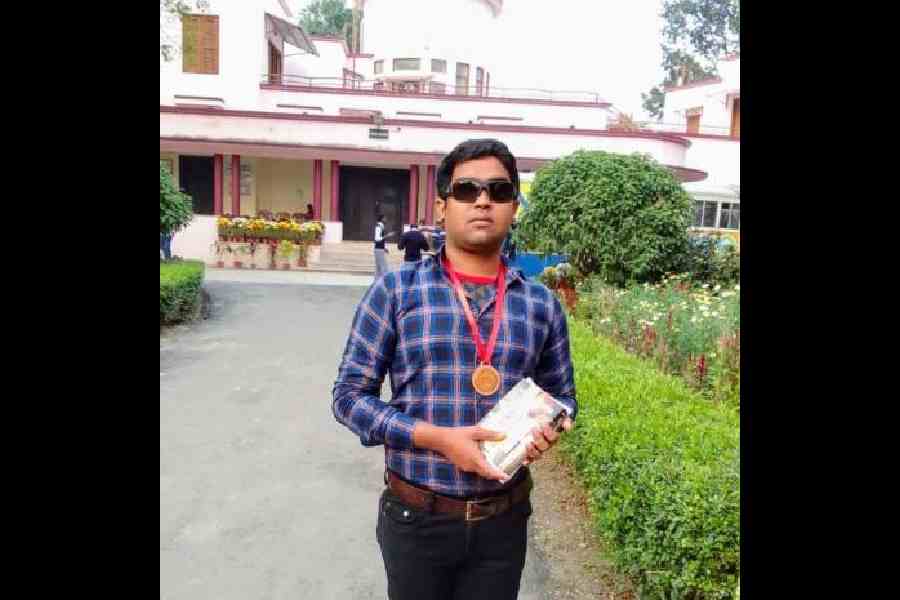
Sir — The Board of Control for Cricket in India should study Tripura’s trajectory with care. Early success in shorter formats can widen participation and sharpen competitive instincts. Players like Manisankar Murasingh show how regional talent can emerge with consistent support. The Northeast has remained under-represented despite evident potential. Balanced scheduling, financial backing, and appropriate competition levels would help correct this. Indian cricket benefits when excellence emerges from new regions. Broadening the base strengthens the national structure and reduces overdependence on traditional centres.
Aditya Kamble,
Mumbai
Sir — Tripura’s rise highlights the value of adapting development models to local conditions.
Rudrani Sen,
Calcutta