India’s energy story has had its own trajectory, impacting the economy, environment, and society. The phrase, ‘energy transition’, may be a rather recent entry into the policy discourse but it has been part of the plots of Hindi cinema for long. Bollywood has always presented energy as more than just fuel — as a symbol of livelihood, struggle, corruption and even aesthetics.
Bullock carts, horse-drawn tongas, and hand-pulled rickshaws — examples of muscular energy — were representatives of human life in early and post-Independence cinema. Remember Raj Kapoor as the cart driver in Teesri Kasam or Hema Malini as the zesty tonga-puller in Sholay?
Perhaps no film has captured the upheaval of energy transition as vividly as B.R. Chopra’s Naya Daur. The transition was depicted dramatically and poignantly in the film through the struggle of tonga-pullers led by Shankar (Dilip Kumar) when a motor bus is introduced in the village. Through the symbolism of a race between a cart and a bus, Naya Daur underscored, first, the importance of the transport sector and, second, the centrality of an inclusive and just transition.
As India industrialised with new machinery, industries and sources of energy, the next lot of films shifted the spotlight to exploitation and work conditions in coal and other minerals. Coal, the most dominant element of India’s energy system, found its way to the silver screen in Yash Chopra’s Kaala Patthar, capturing the exploitation, unsafe mining practices and inhuman conditions in mines.
Bollywood’s depiction of energy’s darker side has not been restricted to coal. Petrol pumps have long been part of cinematic backdrops — often as settings for action sequences, but a few films placed them at the centre of their plots. Dhoop, starring Om Puri and Revathi, portrayed the ordeal of the parents of a Kargil martyr as they grapple with corruption and bureaucracy in getting the petrol pump franchisee allotted to them by the government to honour their deceased son. Manjunath is based on the true story of the murder of an Indian Oil Corporation officer for exposing fuel adulteration. Both films depicted the bureaucracy, corruption, and illegal activities associated with the energy sector. Irada viewed the same theme through the lens of pollution from power plants and its impact on public health.
Even electricity distribution has made inroads into cinematic plots. Batti Gul Meter Chalu explored the struggles of consumers against power outages, inflated bills and the fight with power companies. No discussion of corruption in the energy sector can be complete without a mention of Katiyabaaz: the documentary offered an unfiltered peek into Kanpur’s power crisis as it followed an electricity thief and an official of a distribution company.
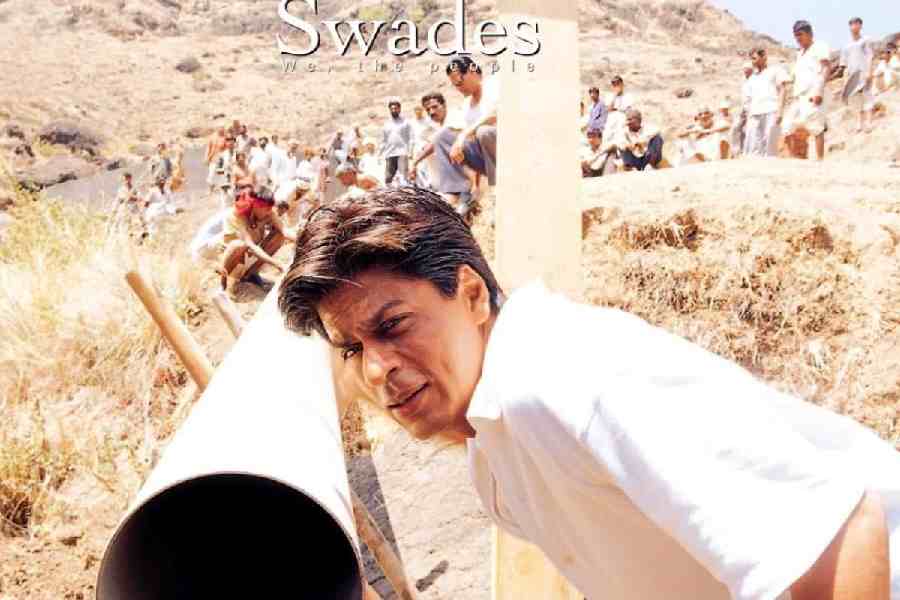
Ashutosh Gowariker’s Swades stepped into the realm of renewables. Here, Shah Rukh Khan plays the role of an NRI who uses his engineering prowess and mobilises villagers to build a micro-hydel plant in his native village. This use of off-grid energy as a means of self-sufficiency and empowerment was a departure from the traditional treatment of the energy sector in Hindi films. Besides Swades, renewables have largely remained aesthetic props, with wind farms functioning as picturesque backdrops for romantic duets (Chalte Chalte, Gori Tere Pyaar Mein).
India’s energy sector is undergoing a massive shift characterised by renewable energy, coal phase down, the emergence of solar and wind parks and rooftop solar panels. It would not be far-fetched to argue that this transition and its socio-economic and political implications would make their way into the cinematic form.
Nidhi Srivastava is an independent law and policy consultant working in the field of energy, environment and minerals