The first generation of AI wearables arrived with the kind of Silicon Valley swagger that usually precedes a collapse. These devices promised to replace smartphones, understand human intent, and usher users into a post-app, post-smartphone future.
Instead, many became cautionary tales. The Humane AI Pin was criticised for overheating and underdelivering. The Rabbit R1 became internet meme material within days of launch. Consumers, meanwhile, were left wondering whether AI wearables were solving real-world problems or simply inventing new ones.
Into this increasingly sceptical landscape comes the Neo 1 by NeoSapien, an Indian AI wearable that does something refreshingly modest: it listens.
Not in the dystopian sense. Or at least, not entirely.
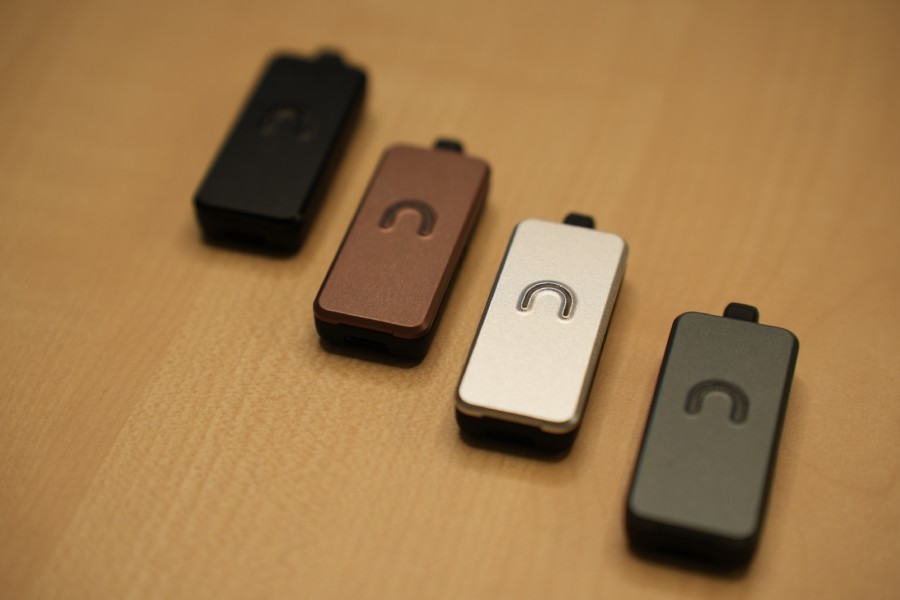
The Neo 1 is a small, sleek-looking AI pendant designed to capture conversations, transcribe them, summarise them, and surface reminders, tasks, and contextual information from daily life.
Think of it as an always-on memory layer powered by AI.
During two months of usage across work meetings, social interactions, field reporting, political rallies, and extensive reportage during the 2026 West Bengal Assembly elections, the device slowly revealed both the promise and the unresolved anxieties surrounding ambient AI.
The first surprise is how quickly the novelty disappears.
Setup on an iPhone took only a few minutes. Pairing was painless, the app felt simple yet polished, and the device got to work immediately after activation. In a category where even basic functionality often feels experimental, Neo 1’s relative stability stands out. Over two months of near-constant use, the device never unexpectedly unpaired. Battery life, despite continuous usage, comfortably lasted a little over a day. USB-C charging was quick and uncomplicated.
The hardware itself is discreet enough to almost disappear into clothing. Worn beneath a shirt or t-shirt during reporting assignments, it was barely noticeable during the day unless someone actively looked for it. At night, the tiny light on the device could occasionally give it away, but for the most part, the Neo 1 blends into daily life with surprising ease.
This matters because AI wearables live or die by friction. The more conscious users are of the gadget hanging around their neck, the less likely they are to wear it consistently. The Neo 1 succeeds precisely because it often fades into the background. One can almost forget that they are wearing it.
And yet, it is impossible to use a device like this without occasionally feeling unnerved by what it represents.
The Neo 1 continuously records snippets of life: conversations with political workers in rural Bengal, scheduling meetings or assignments with colleagues, random chai-stall chatter, half-finished thoughts during long drives, informal interviews, reminders muttered in passing.
The app then attempts to organise this sprawling mess of human conversation into summaries, reminders, searchable memories, and actionable insights.
More often than not, it works.
The transcription quality across English, Hindi, and Bengali was surprisingly competent, especially given the messy realities of Indian conversations, where speakers constantly switch between languages, sometimes even in a single sentence.
Speaker identification was also impressively accurate. In quieter environments, the summaries were genuinely useful, often pulling out key discussion points, meetings, and commitments that would otherwise have been buried under hours of conversation.
For journalists or anyone operating in conversation-heavy professions, the appeal becomes immediately obvious.
Reporters spend enormous amounts of mental energy remembering names, recalling offhand remarks, revisiting fragmented interviews, and manually organising notes. The Neo 1 reduces some of that cognitive burden. Instead of replacing note-taking altogether, it acts more like a safety net.
That distinction is important.
The device never fully replaced traditional reporting practices for this reporter. Notes still needed to be taken. Important interviews still needed manual backups. Trusting any AI system completely, especially in journalism, would be reckless. But Neo 1 quietly made daily workflows easier. Conversations became searchable. Forgotten commitments resurfaced automatically. Meeting reminders appeared without manually setting them.
In many ways, the device succeeds because it does not attempt to be magical.
That restraint appears deliberate. Speaking to The Telegraph Online, NeoSapien co-founder Dhananjay Yadav said many earlier AI wearables failed because they “tried to sell a broad futuristic vision before solving one painful daily problem reliably.”
“Our approach is different,” he said. “We are not starting with ‘replace your phone’ or ‘do everything with AI.’ We are starting with one very specific job: helping people remember, organise, and act on their real-world conversations.”
That narrow focus is perhaps Neo 1’s greatest strength.
The product is not without flaws. Conversation grouping remains inconsistent. A single long discussion interrupted by brief pauses could sometimes get fragmented into three or four separate summaries.
In noisy political rallies or crowded press environments with multiple people speaking simultaneously, the AI understandably struggled to isolate speakers cleanly. On rare occasions, parts of recordings were missed altogether.
The device also noticeably drains the iPhone’s battery over prolonged usage, something heavy users will quickly notice.
Then there is the much larger issue hovering over the entire category — privacy.
AI wearables fundamentally challenge existing social norms around recording conversations. Even if the Neo 1 remains discreet, the ethical questions remain unavoidable. Should people constantly wear devices capable of recording conversations? How informed are others in those interactions? What happens to that data?
Online discussions around NeoSapien’s privacy policy have already raised concerns about third-party data sharing. Dhananjay pushed back strongly against those fears, clarifying that NeoSapien does not sell user data or use customer conversations to train AI models by default.
“The broader principle is simple,” he said. “If users do not trust us with their conversations, there is no product.”
It is a convincing answer on paper. Whether consumers are willing to extend that trust to always-listening AI hardware remains an open question.
Still, after two months with Neo 1, what remains most striking is not the technology itself, but how quickly it normalises. The idea of outsourcing memory to AI initially feels intrusive, even absurd. Then, somewhere between forgotten reminders resurfacing automatically and searchable conversations saving hours of work, it begins to feel practical.
That may ultimately be the future of AI wearables. Not flashy sci-fi replacements for smartphones, but invisible assistants quietly handling the cognitive clutter of modern life.
Neo 1 does not reinvent computing. It does something far less dramatic and perhaps far more useful: it remembers.