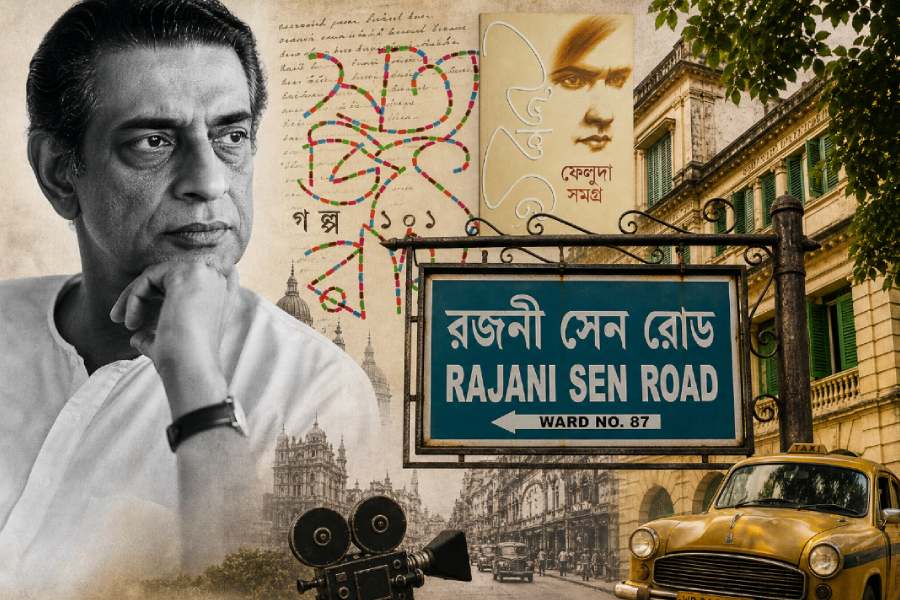
Kolkata was never just a mere backdrop in the works of Satyajit Ray — it was a living entity. From quiet terraces that house the iconic writings of the author to a bustling cinema hall and heritage institutions, the city holds fragments of Ray’s life and imagination in its corners. Here are a few addresses that continue to echo his legacy.
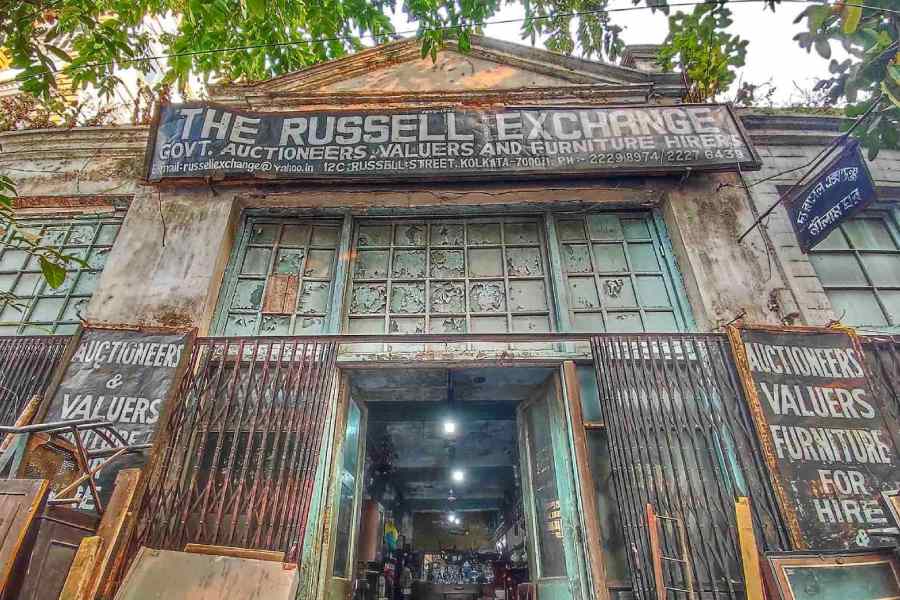
The Russell Exchange: Where old-world Kolkata lingers
Picture by: Amit Datta
This century-old auction house often echoed through the storytelling universe of Satyajit Ray — a space where objects became vessels of memory and history. Its timeworn charm mirrors Ray’s narratives, where every artefact holds a story. From Lalmohan Babu’s Nepali kukri to the chandelier in Jalsaghar and the polished interiors of Seemabaddha, Ray not only drew inspiration from here, but also used its antiques as film props.
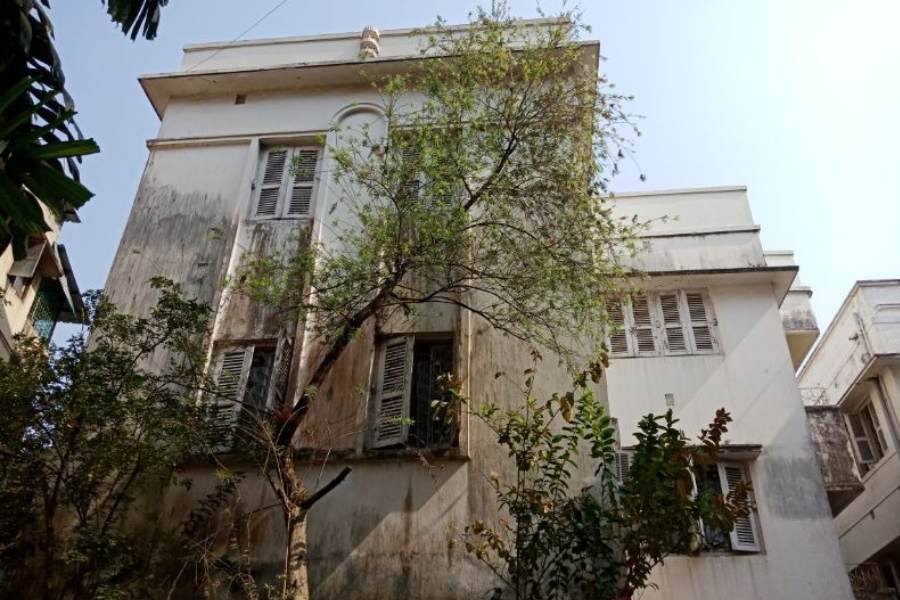
3, Lake Temple Road: The terrace that inspired the auteur
Picture by: Facebook
Before moving to Bishop Lefroy Road in the 1970s, Satyajit Ray lived in an apartment on Lake Temple Road — a modest four-room home with a terrace that became an atelier. It was here that he wrote Feluda stories, revived Sandesh magazine, and composed some of his finest music. During this period, Ray also directed classics like Charulata, Nayak, Goopy Gyne Bagha Byne and Aranyer Din Ratri.
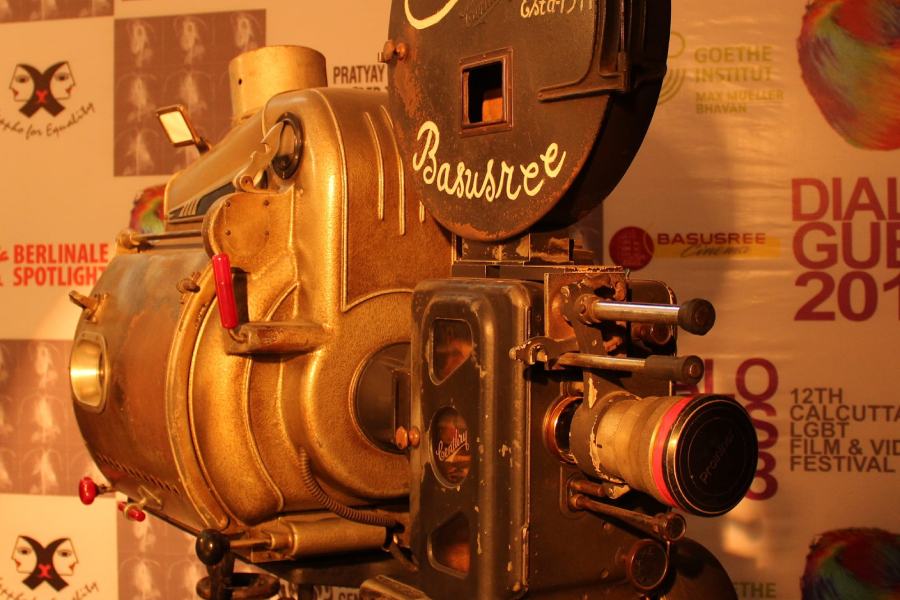
Basusree Cinema Hall: A relic of ‘Pather Panchali’
Picture by: Basuree Cinema Facebook handle
This cinema hall houses a rare cinematic treasure. The theatre preserves an ash carbon projector from 1947 — the very machine used to screen the 1953 film Pather Panchali. The projector was also used to screen quite a few other classics and now regularly travels to exhibitions on cinema’s forgotten treasures.
Athenaeum Institution: Where it all began
Picture by: Athenaeum Institute Facebook handle
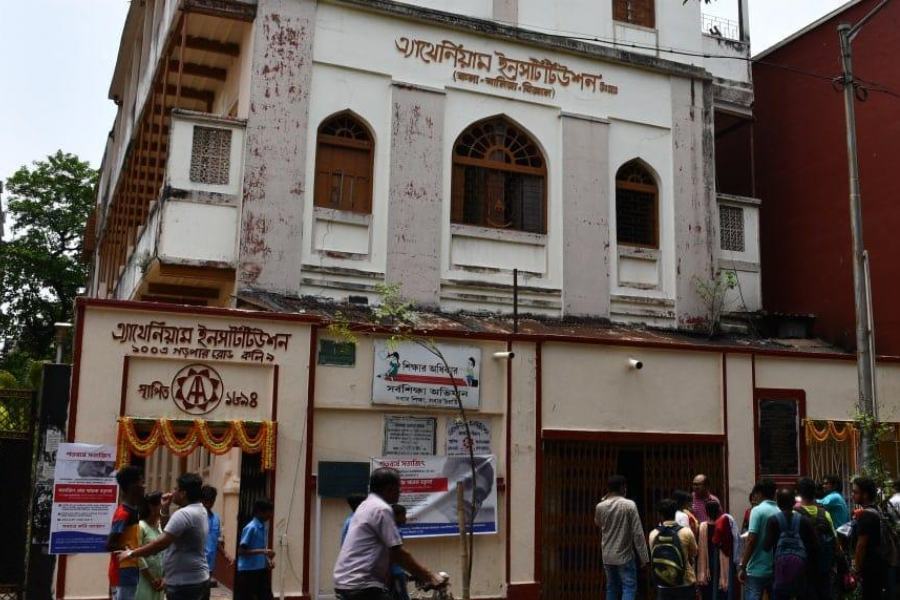
Whenever we hear Garpar, Feluda enthusiasts are transported to Lalmohan Babu’s quintessential para. But this is also where Satyajit Ray was born in 1921. His ancestral home later made way for the Athenaeum Institution. Now a heritage property, the address was once steeped in literature and art, closely tied to the legacy of his father, Sukumar Ray, and grandfather, Upendrakishore Ray Chowdhury. The school is mentioned in many Feluda novels. Lalmohan Ganguly, alias Jatayu, keeps referring to his teacher Baikuntha Mallick, who taught at this school
‘The’ Rajani Sen Road that doesn’t exist
Picture by: Sourced by correspondent
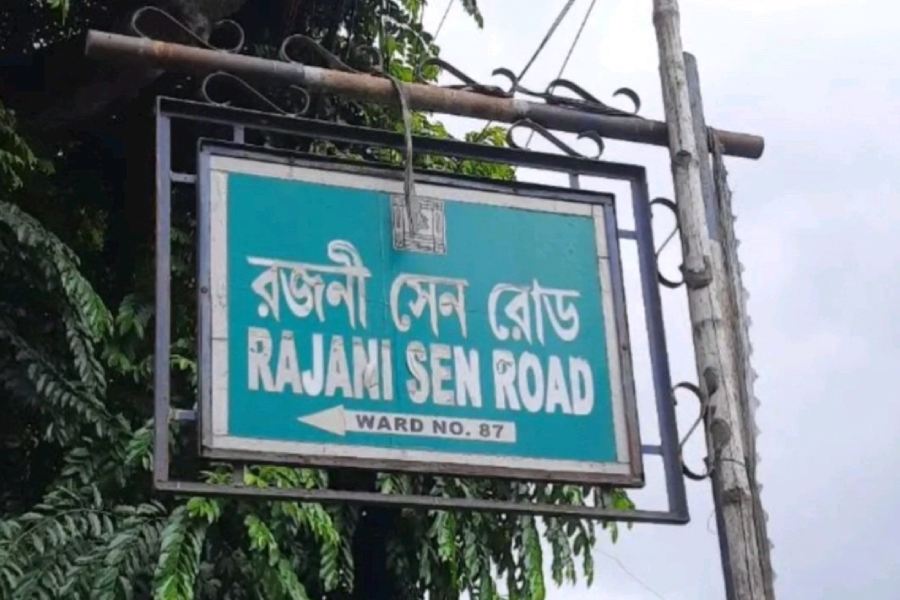
If you’re wandering through Mudiali towards Rabindra Sarobar Metro, take a turn onto Rajani Sen Road — the adventure begins almost instantly. Walk a little, and you’ll spot the No. 20. Good, now, a few steps ahead, No. 22 shows up right there. But hold on… where’s 21?
That’s the twist. The most famous address on the street, 21 Rajani Sen Road — Feluda’s home — exists only in the imagination of Satyajit Ray and lives quietly in the pages of his stories.
Park Street Cemetery: Where there is fear of ghosts
Picture by: Soumyajit Dey
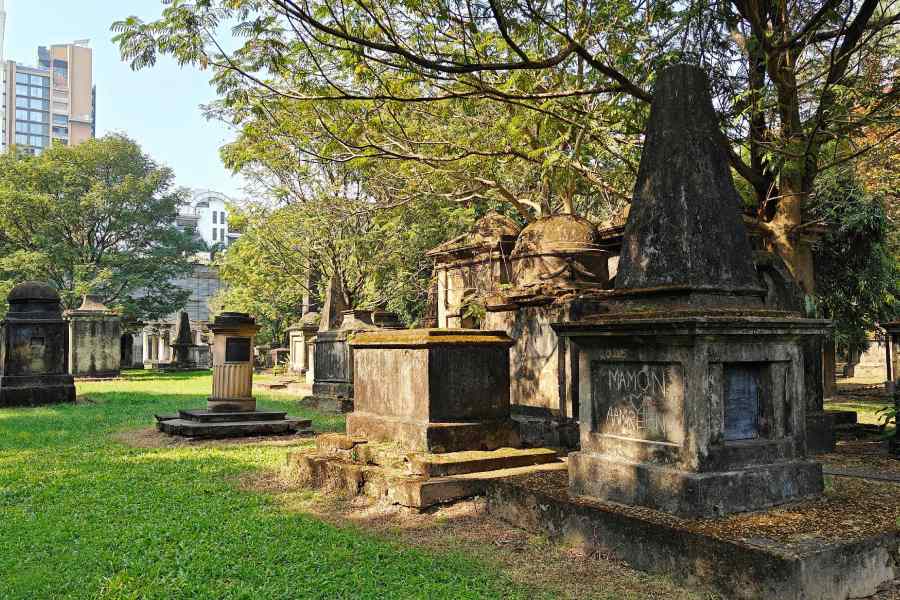
The South Park Street Cemetery is the central setting of Satyajit Ray’s famous Feluda mystery novel and film Gorosthane Sabdhan, published in 1978. In the story, Feluda investigates a disturbed, historic grave in this graveyard, uncovering a gothic adventure involving colonial history and a rare antique.