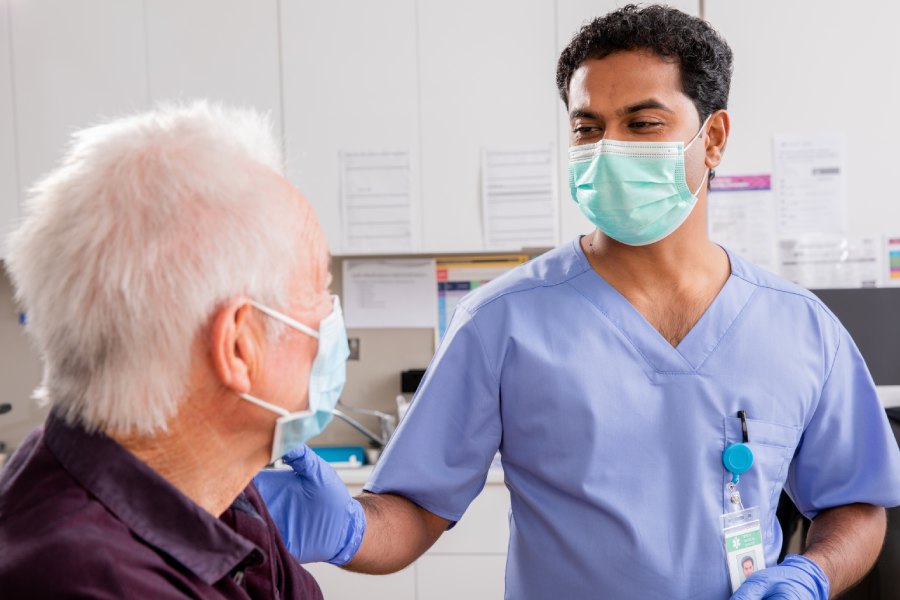
Nurses = women. That’s the usual perception. For most people, the word ‘nurse’ brings to mind the image of a woman in an all-white uniform, complete with a nurse’s cap, white stockings and formal shoes, walking with a tray in her hand.
But the term ‘nurse’, even grammatically, is a common gender noun. Nurses can be male, and male nurses are just as qualified and capable as their female counterparts, with no difference in professional responsibilities or expertise. So why is the profession still so closely associated with women?
This International Nurses Day, My Kolkata spoke to city-based male nurses to find out what motivated them to take up the profession, the challenges they faced in the field, and how they navigated obstacles to achieve both professional success and satisfaction.
A profession that transcends treatment to become a form of social service
For most male nurses, the driving force is the opportunity to serve. Working alongside doctors and other medical professionals, they help save lives and care for the ill and elderly. The profession also offers satisfaction, stability and security, pointed out Ashish Maity, senior OT surgeon assistant nurse at AM Medical Centre for the last 12 years.
“I wanted to become a teacher and then an engineer. But the lack of funds, limited job opportunities and my desire to work in my hometown prompted me to pursue something else. I chose nursing because there were more opportunities here. Most importantly, I was driven by a passion to serve people and receive their love and blessings,” said Manobendra Mondal, a staff nurse at a city-based organisation.
Saharab Hossain, emergency in-charge at a medical facility in Salt Lake, said he chose nursing because he always wanted to make a difference in people’s lives.

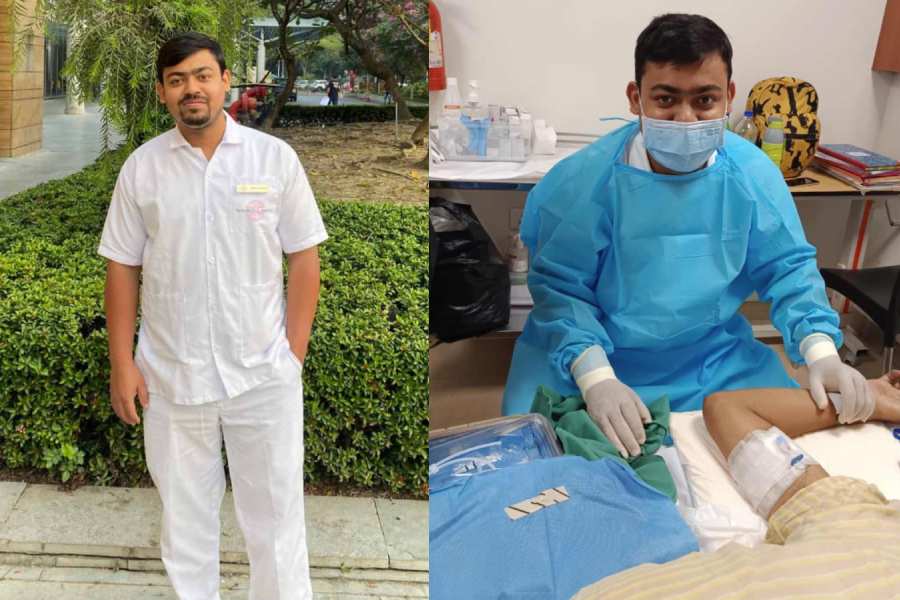
(L) Manobendra Mondal, a staff nurse at a city-based organisation; (R) Saharab Hossain, emergency in-charge at a medical facility in Salt Lake All pictures: Sourced by the correspondent
Echoing Hossain’s view, Suhel Uddin said he had dreamt of joining the medical profession since childhood and was inspired by healthcare providers. However, when he failed to secure a rank in the joint entrance examination, he decided to pursue nursing instead of MBBS.
“The medical field is not run by doctors alone; it is a collaborative effort. When I first told my parents, they did not hesitate, but people around us were not very welcoming about the idea of a male nurse,” said Uddin, who works as shift in-charge at Tata Medical Centre.
Suhel Uddin, shift in-charge at Tata Medical Centre
Like Uddin, Lilambar Meher, nursing educator at Fortis Hospital Anandapur, turned to nursing after failing to secure a rank in the medical joint entrance examination. “Over time, I realised nursing is not just about treatment; it is about compassion, responsibility, patient safety and being present for people during some of the most difficult, distressing moments of their lives. That is what continues to motivate me even today,” he said.
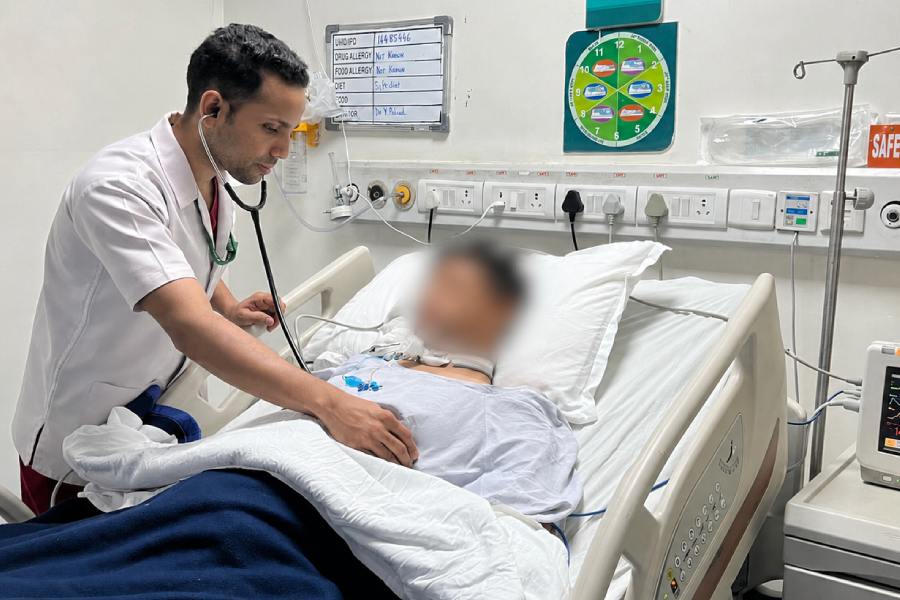
‘Nursing is not just about treatment; it is about compassion, responsibility, patient safety and being present for people during some of the most difficult, distressing moments of their lives,’ stressed Lilambar Meher, nursing educator at Fortis Hospital Anandapur
“At present, I work in the Nursing Education Department, where I train newly joined nurses and conduct continuous education programmes for hospital staff on SOPs, patient safety, quality care and clinical protocols,” Meher added.
Suvendu Adhikary, a nurse at Narayana Hospital, also underlined that nursing was more than just a job for him. “It is a responsibility and a passion,” he said.
Acceptance growing, but stereotypes, stigma still persistent
Several male nurses have faced discrimination over the years because they do not fit the conventional image of a nurse. Some have even been ridiculed or denied opportunities because of their gender. However, that has not stopped them from pursuing their passion and striving to give their best in the profession.
“Stereotypes and the stigma that nursing is a feminine profession remain a huge stumbling block for many, especially at the beginning of their careers. Gradually, this lessens. Today, I demand equal respect at my workplace,” said Maity.

‘Being male does not make us more or less special. At the end of the day, what matters in our profession is delivering care, comfort and support to patients so they receive the best treatment and return to their families in good health,’ said Ashish Maity, senior OT surgeon assistant nurse at AM Medical Centre
Manobendra Mondal recalled an incident from his early days. “Someone I knew once told me, ‘Being a boy, why are you studying nursing? It’s a job for women and doesn’t look appropriate.’ At that time, I felt very hurt. But later, that feeling turned into motivation. After completing my nursing studies and starting to earn, I realised my decision was right. My profession has been rewarding in more ways than one,” he said.
While Meher also recalled people being surprised to see a male nurse, Uddin spoke about often being mistaken for a ward boy.
“One common experience male nurses face is that many patients assume we are ward boys. I mean no disrespect to ward boys, but that is the harsh reality. Even though all nurses wear the same uniform, some patients still see us as helpers rather than nurses,” he said, adding that such discrimination often affects job opportunities as well.
“I was once told, in the organisation different from where I am currently working, that male nurses are not caring, are more casual and less sincere, so they did not want to hire a male nurse. They even asked me to work for three months without pay before they would consider hiring me,” Uddin recalled.
“Some people assume I’m a doctor or ask me to do tasks outside my role. But I’ve learned to handle such situations with confidence and professionalism,” added Hossain.
Do male and female nurses have the same responsibilities?
Short answer: yes. Nursing is rooted in care and skill, not gender
But at times, the reality is more nuanced.
“The core responsibilities are exactly the same. Male and female nurses are equally trained and equally committed to patient care. We work together as a team. Sometimes certain physical tasks may naturally be assigned differently, but nursing itself is based on knowledge, empathy, communication and teamwork — not gender,” explained Adhikary.
At the same time, every individual may naturally develop strengths in different areas depending on personality, experience and working style. However, these are not fixed gender-based roles — both male and female nurses are equally capable of excelling in all aspects of nursing, Meher noted.
He added that there are also certain practical and privacy-related boundaries in hospitals. Female nurses are commonly assigned both male and female patients, whereas male nurses are generally assigned male patients only, especially when female patients are conscious and oriented. This is mainly due to considerations of patient comfort, dignity and privacy during personal care procedures.
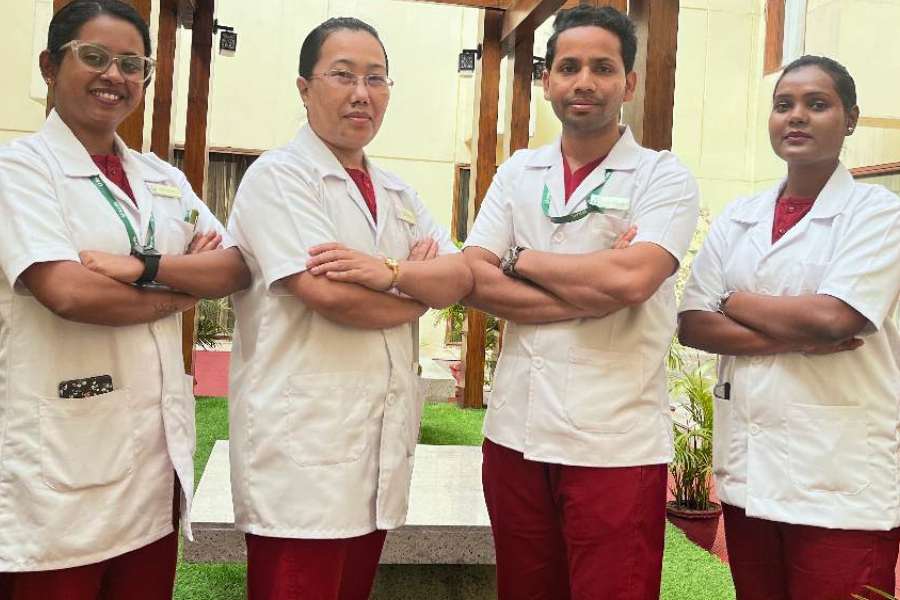
‘Nursing is a highly skilled profession, and what matters most is the quality of care, dedication and professionalism a nurse brings — not gender,’ said Lilambar Meher, nursing educator at Fortis Hospital Anandapur
Summing it up, Meher said, “Today, nursing is a highly skilled and professional field, and male nurses are proving themselves equally competent in patient care, education, leadership, critical care and hospital management. At the end of the day, what matters most is the quality of care, dedication and professionalism a nurse brings to the patient, not gender.”