The 26th edition of the New York Indian Film Festival that ended on May 31 had its share of popular titles such as Dil Chahta Hai and Sholay, but a chunk of the line-up went beyond big names and focused on small-town lives and their big concerns. Aseem Chhabra, who is the festival director, told The Telegraph, “We try to show films from different regions, especially underrepresented places. This year, we are screening films in 15 languages, including two in Assamese, and one each in Khasi and Manipuri.”
The themes varied. Victoria is based on just one afternoon in a beauty parlour in Kerala; Khooh Waala Ghar (Room at the Farm) is about a newly married young man and his dilemma; while in Ha Lyngkha Bneng (The Elysian Field), the director imagines a Khasi village from the future.
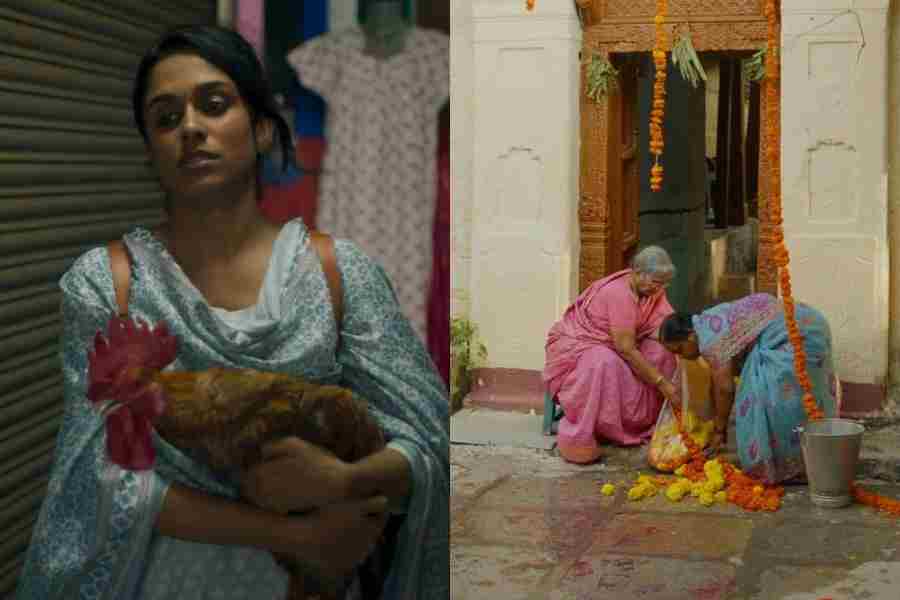
(From left) Stills from Victoria, O’Sey Balamma
The makers share how they stumbled upon these stories. A road trip through North India brought filmmakers Avinash Roy and Jasmine Kaur to the story that inspired the Punjabi film Khooh Waala Ghar. Roy says, “On the trip, we met a young man who told us, ‘I do not want to leave my ancestral livelihood. Farming is all I know’.” He was from Kaur’s ancestral village of Sarai Khas in Jalandhar. And later they learnt there were others who felt the same way about giving up a legacy in the face of altering economies. Kaur says, “I wanted to capture Sarai Khas, and how it changed over the years as I grew up and grew distant from the place.”
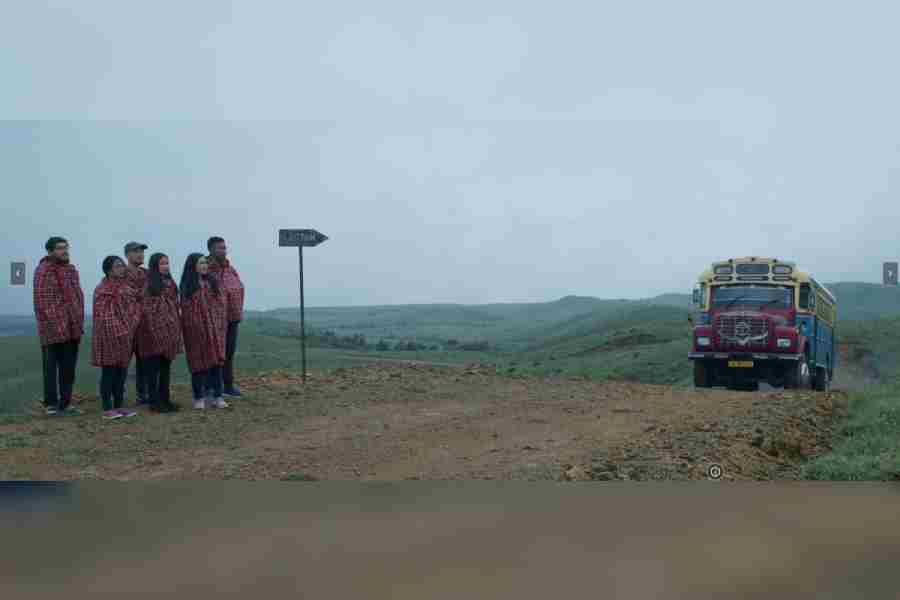
Pradip Kurbah’s film Ha Lyngkha Bneng also has a village as the protagonist. Set in 2047, it is Kurbah’s imagination of what a village called Laitduh, near Cherrapunji, would be like. Only five people left, no road, no mobile connectivity, no electricity and a bus that arrives once a day.
Kurbah says, “In these villages of Meghalaya, open migration is rampant. I always run into people in Shillong who have had to leave their hometowns. The film is my take on what will remain; I would love to be proven wrong.” Shot over 18 months, the film starts with a coffin returning to the village. The bereaved kin says, “No one ever comes back here alive.”
The Telugu O’Sey Balamma, directed by Raman Nimmala, is light-hearted in comparison. The film was shot in a village called Neradigunta, about an hour away from Hyderabad. Nimmala, who is a student at Columbia University, US, says he wanted to portray the life of his grandmother Ammagaru and her caregiver Balamma.
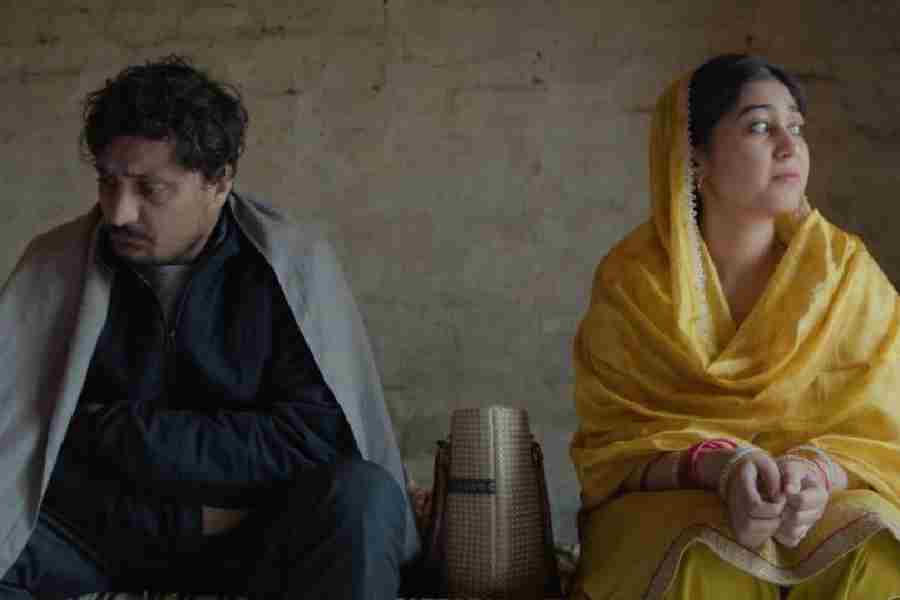
Still from Khooh Waala Ghar
Nimmala says, “I find their companionship, their banter, even their fights hilarious and fascinating.” A village film club called Jogipet Kala Samithi assisted Nimmala. He says, “We screened the film at the Sundance Film Festival, US, this year. A member of the audience who came from Mexico told me the film reminded her of her own grandmother.”
The Malayalam film Victoria is set in Angamaly in Kerala. Director Sivaranjini made it in 2023 with a state government grant earmarked for women’s empowerment.
Victoria who is a beautician, negotiates a chaotic worklife bustling with clients — schoolgirls getting their eyebrows threaded, wedding parties getting massages and haircuts, funeral parties getting more modest work done, pregnant women getting pedicures. In a comic twist, Victoria becomes the keeper of a sacrificial rooster. Sivaranjini, who is from a village on the outskirts of Angamaly, says, “I actually saw a rooster in a beauty parlour once. That image stayed with me.”
As images go, the portrayal of Bagadia village in Gujarat’s Kutch region in Waai, is stark. It is a documentary directed by Sainath S. Uskaikar and produced by Virtual Bharat. Bagadia is home to a Muslim shepherd community. It is also home to India’s last four Waai singers.
Waai is a form of sufi music. Uskaikar says, “There are 20 to 25 houses in the village. They speak Sindhi. Every Thursday, the singers host riyaazshala, where they try to teach their music to young boys.”
Chhabra says, “It is not like we are looking for a theme. Themes often emerge after we have made the selection. We also have quite a few films from cities representing the younger generation. Among them are Early Days, How To Not Have Sex, Full Plate and The Great Shamsuddin Family.”