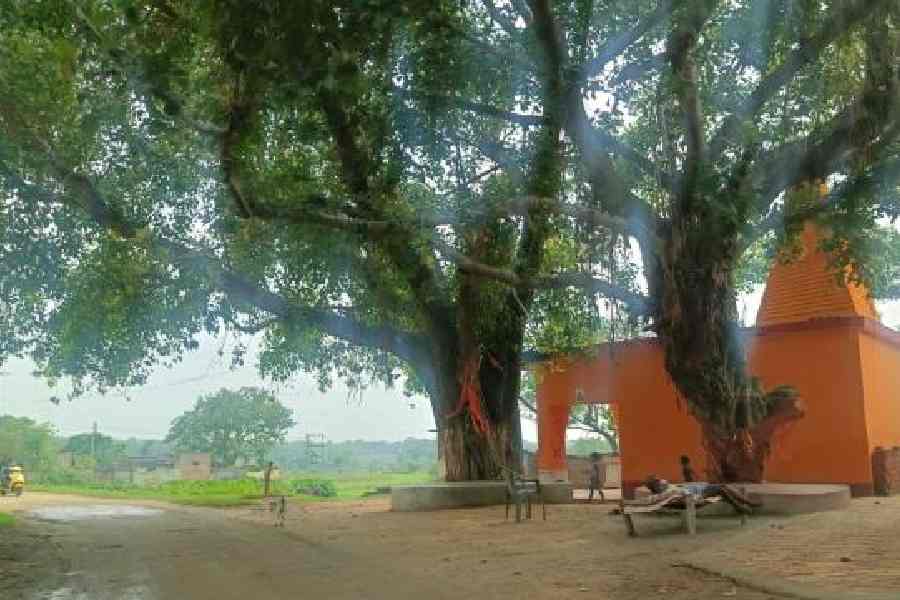
A small village of 10,000 people in Mathura is making big waves in the world of cybercrime.
According to police, 70 per cent of the residents of Devseras village — which has an abysmal literacy rate of 10 per cent — are cybercriminals who have defrauded their victims of several crores in the last 10 years.
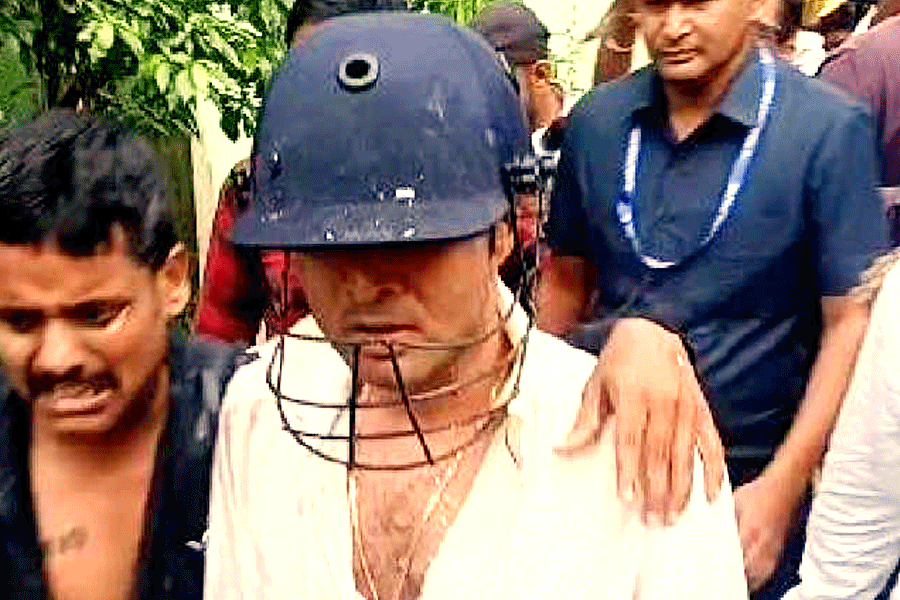
The police have arrested a dozen of them from the hamlet under Govardhan police station in the last two days and conducted multiple search operations to find others involved in cybercrimes, including digital arrests.
Police sources claimed that the fraudsters also impart training to those who want to join their profession.
“Persuading victims to click on a link so that their mobile phone can be hacked and money from their bank accounts siphoned off is an old trick. They have devised a new modus operandi,” a police officer in Lucknow told The Telegraph on the condition
of anonymity.
He said they now barge into offices or homes posing as YouTubers or social media journalists and start recording videos.
“They either claim that the house was built without sanction or that the employees of the office were working under poor conditions. One team member leaves their contact number with potential victims and posts the video on social media. Sometimes, the victims panic and call up the so-called social media journalists and request them to take down the video. The blackmailing starts from there,” the officer said.
The blackmailers claim that they would suffer financial loss if they had to remove the video and ask the victims to compensate them for it, he said. “The village is a hub of cybercriminals, several of whom have shifted to cities,” the officer added.
Ravi Tyagi, in charge of Govardhan police station, told reporters that they had conducted raids in the village a few years ago and arrested some cybercriminals. Since then, there has been no news of their involvement in such crimes. There were unconfirmed reports that some of them had left the district.
“We came to know on Wednesday night that a large number of them had assembled for a marriage ceremony at a field on the village outskirts. They arrived here in 40 Thars from the adjoining villages of Rajasthan. They somehow got to know that we were planning a raid and escaped. We could nab 12 youths from the village on the basis of a tip-off. We’ll interrogate them to bust the gang,” Tyagi said.
He said the police had initially detained 42 people on suspicion of their involvement in online fraud. “We have found substantial evidence against a dozen of them,”
he said.
A local police officer who didn’t want to be identified said: “There used to be a Tatalu Gang in the area two decades ago. They would visit houses and claim that they had stolen gold that they wanted to sell below the market rate. People used to buy it without realising that it was brass coated with gold. A majority of them have turned into YouTubers and social media reporters now.”
The gang was named after its founder Tatalu, who passed away a few years ago.
“Anganwadi workers, schoolteachers and lower-ranking government officers are the soft targets because these people generally work in dilapidated offices and unhygienic conditions,” he said.
Suresh Chandra Rawat, superintendent of police of Mathura Rural, said: “We were keeping a watch on Devseras for several days and started conducting raids on Wednesday night. This operation will continue.”
Recently, the CBI indicated that the “slave compounds” operating in Myanmar and neighbouring areas have emerged as major hubs for the execution of digital arrest frauds.