
New Delhi, March 4: The father of the Delhi gang-rape victim today said people should see the documentary, India's Daughter, because it 'holds up a mirror to our society'.
The film features an interview with one of the rapists in which he makes outrageous comments and assertions. Delhi police had yesterday obtained a restraint order from a magistrate on uploading, transmitting and publishing the interview.
'What the documentary shows is the truth. It holds up a mirror to our society. It's not about this rapist, it is a general statement on what kind of people we create in our society. People in India should see this documentary and know these men,' Badri Nath Singh told The Telegraph. Singh gave his consent to this newspaper to name him in this report.
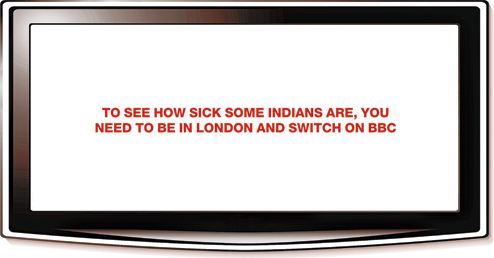
The father's statement came against a backdrop of a furore over how Mukesh Singh, the convict on death row, could be interviewed in jail. The backlash soon turned towards the film itself with several people contending that the rapist's sick mindset should not be aired.
However, several students, activists and writers from abroad are criticising the decision to stop the broadcast of the BBC documentary on Indian channels.
Snigdha Singh, a 19-year-old, feels the documentary should have been aired. 'I have been groped, teased and abused many times. I have been asked to keep quiet - take it, forget it - by my mother, father and even my abuser. I wish I could talk about it. I wish India talks about the men who do it to us,' she said.
Retired Delhi University professor Gopa Bharadwaj, who specialised in psychology of gender, said banning the documentary from being aired on Indian channels was like hiding from reality.
'Mukesh Singh's comments on rape are representative of the voice of the general people in India. Most Indians - men and women - have this mentality. By banning the film, India is telling the world that we are hypocrites. We cannot accept the stark reality of India or deal with it,' she said.
'The documentary and what Mukesh says is being silenced because he is a rapist and his 'voice' embarrasses India. Instead of banning the documentary, it should have been aired and then widely debated, discussed in every school and college in the country,' Bharadwaj added.
A tweet by Pune resident Manudev Jain said not airing the documentary was an 'insult' to the victim.
Senior Supreme Court lawyer K.V. Dhananjay said the government's decision to ban the documentary was a 'knee-jerk reaction' and done in 'haste'.
'The persons involved can be penalised for shooting the film without permission, but how can the film be banned on that premise, especially if it is done in public interest? In fact, this film validates the argument of the government in court during the trial where it had argued that the rapists were cold-blooded killers. The film also reflects that. It is sad that the government does not seem to have given any thought to these aspects before asking for a wholesale ban.'
He added: 'If anybody should be complaining, it should be the rapist on the ground that this film would diminish his chance of success in the pending appeals.'
Women's rights activist Kavita Krishnan said she wasn't against the airing of the documentary because it tarnished India's image but because of the tendency of the global campaign to say that rape is an Indian problem.
'Rape and rape culture are global problems; there are millions of Mukesh Singhs in every country, including India. What we're saying is that it doesn't help Indian women to bypass or short-cut the legal appeals process and replace it by a mob trial by media,' she wrote on her Facebook page.
Krishnan, in another write-up, said: 'Reflecting on the interviews, I think about other instances where terrible acts of brutality have been justified by their perpetrators, almost boastfully, for an audience.'
Paris-based columnist Ingrid Therwath, who acknowledged that there was a 'post-colonial hangover' in the way non-western countries are portrayed in western countries, said 'censorship will not prevent crimes' but added that it was 'very difficult' for her to comment as she had not seen the documentary.
'But I think that there can be a value in presenting the testimonies of criminals if the purpose is to inform and expose the rape culture. But, of course, the difficulty of making such testimonies public is that you can give these ideas publicity,' she said in an email.
Feminist writer Emer O'Toole said banning the documentary was 'illiberal' and an 'impediment to freedom of expression'.
'Without having seen the documentary, I agree in principle that Indian people should have access to it. We need to educate people. But how the rapist's opinions are framed is very important,' she said in an email reply from Canada.
O'Toole added that the trend of belittling discussions on rape was a worldwide phenomenon.
'Discussions of rape culture are consistently belittled. One in five female university students in the US are raped, only 1% of the rapists are punished, and universities habitually try to cover things up and smooth things over rather than tarnish their expensively cultivated brands,' she said.
'There are whole communities and cultures of protecting and sympathising with rapists while silencing, blaming and disbelieving their victims. Yes, there needs to be more public debate. Yes, we need to expose rapists for what they are: ordinary men, with ordinary opinions about women, who continue to do what continues to be a heart-breakingly ordinary crime,' she said.
- The Telegraph, in its leading article today, says: “If Singh’s interview had been telecast, it would have been an exercise in soul searching for the audience.”